Lakes Near Greenville, SC: Guide to Getting on the Water
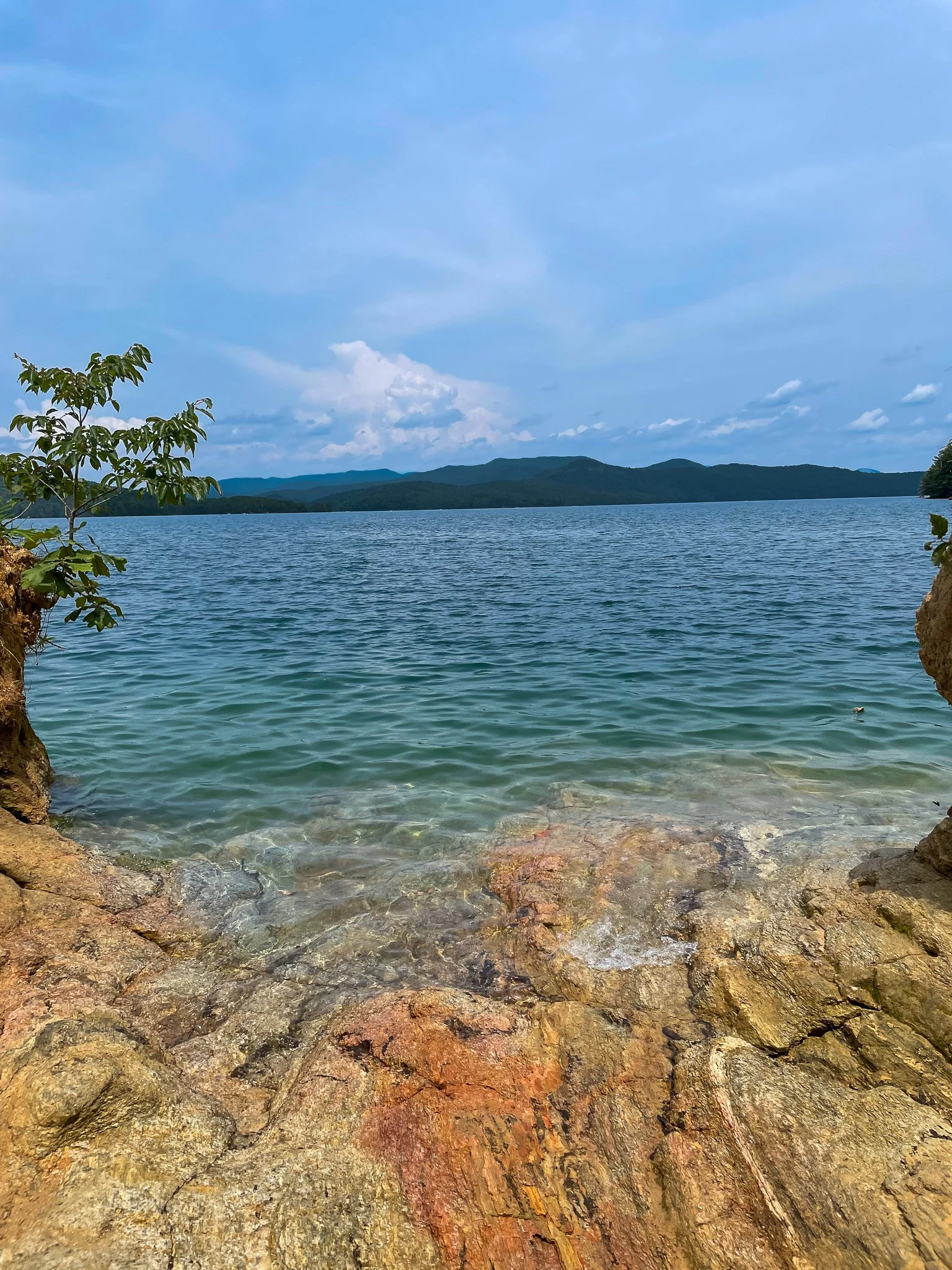
Lake Jocassee
Greenville, South Carolina is known for its vibrant downtown, iconic Falls Park, world-class greenway and up-and-coming food scene — but here's what not enough people talk about: Greenville sits in one of the most lake-rich regions in the Southeast. Within an hour's drive in almost any direction, you can be floating on thousands of acres of some of the cleanest, most beautiful water in the country.
Upstate South Carolina's lake landscape is deeply connected to engineering and energy. Many of the lakes here — Keowee, Jocassee, and Hartwell among them — were created by damming rivers, either for hydroelectric power (Duke Energy manages several), flood control, or as drinking water reservoirs. That history shapes everything from the water clarity to the rules you'll need to follow.
Lake Jocassee, for example, was formed in the early 1970s when the Jocassee Valley was flooded — and yes, some of what's of the original town is still visible to divers. Lake Hartwell was completed in 1962 when the Army Corps of Engineers dammed the Savannah River's tributaries along the Georgia-South Carolina border.
What does all of this mean for you? It means you're never far from a great lake day — whether you want to paddle a quiet cove at sunrise, cast a line, or boat out to a waterfall that you can only reach by water.
Here's what I've personally explored (and everything else worth knowing about) when it comes to lakes near Greenville, SC.
This post contains affiliate links. I may earn a small commission if you book through them, at no extra cost to you.
Lake Keowee
Distance from Greenville: About 45 minutes
Created in 1971 by the construction of Keowee Dam, this Duke Energy–managed man-made reservoir covers more than 18,300 acres and boasts over 300 miles of shoreline. The water is a distinctive blue-green, fed from the cold mountain streams of Lake Jocassee to the north, and on a clear day you can see the Blue Ridge Mountains reflected on the surface. Much of Lake Keowee is surrounded by private, gated communities. As such, you'll find stunning residences dotted along the shoreline but the lake is big enough that you can find solitude in its hidden coves. Even on a busy summer weekend, this is a great spot for all sorts of water activities.
What to Do:
Keowee is perfect for most water sports. Boating, wakeboarding, water skiing, jet skiing, kayaking, fishing, swimming — the lake's 18,000+ acres and protected coves give you room to do it all without feeling crowded. Keowee is also a well-regarded fishing lake — anglers regularly cite largemouth and smallmouth bass, crappie, bream, and catfish, though I'll leave the specifics to the experts. Keowee-Toxaway State Park sits along the northern shoreline and offers two hiking trails (including the 1.3-mile Natural Bridge Trail), camping with tent and RV sites, fishing access, and even a zipline adventure. The park's Raven Rock trail leads to a rock outcropping with arguably the best view of the lake you'll find on foot.
Rentals: Multiple outfitters serve Lake Keowee. Keowee Marina (150 Keowee Marina Dr., Seneca) rents pontoons, tritoons, kayaks, paddleboards, and pedalboards. Jocassee Outdoor Center (516 Jocassee Lake Rd., Salem) — despite the name — also serves Keowee and offers ski boats, pontoons, and water toys. Lake Keowee Boat Rentals (111 Surgical Blvd, Seneca) has jetskis and tritoons available.
Camping:Keowee-Toxaway State Park offers tent pads and RV sites with water and electric hookups, plus a rental cabin with a scenic overlook and private boat dock. Mile Creek Park is another excellent option with over 69 campsites, many with direct lake access.
Entry/Fees: Keowee-Toxaway State Park charges SC State Park admission. Many public boat ramp areas are free. A South Carolina fishing license is required for anyone 16 and older.
Lake Jocassee
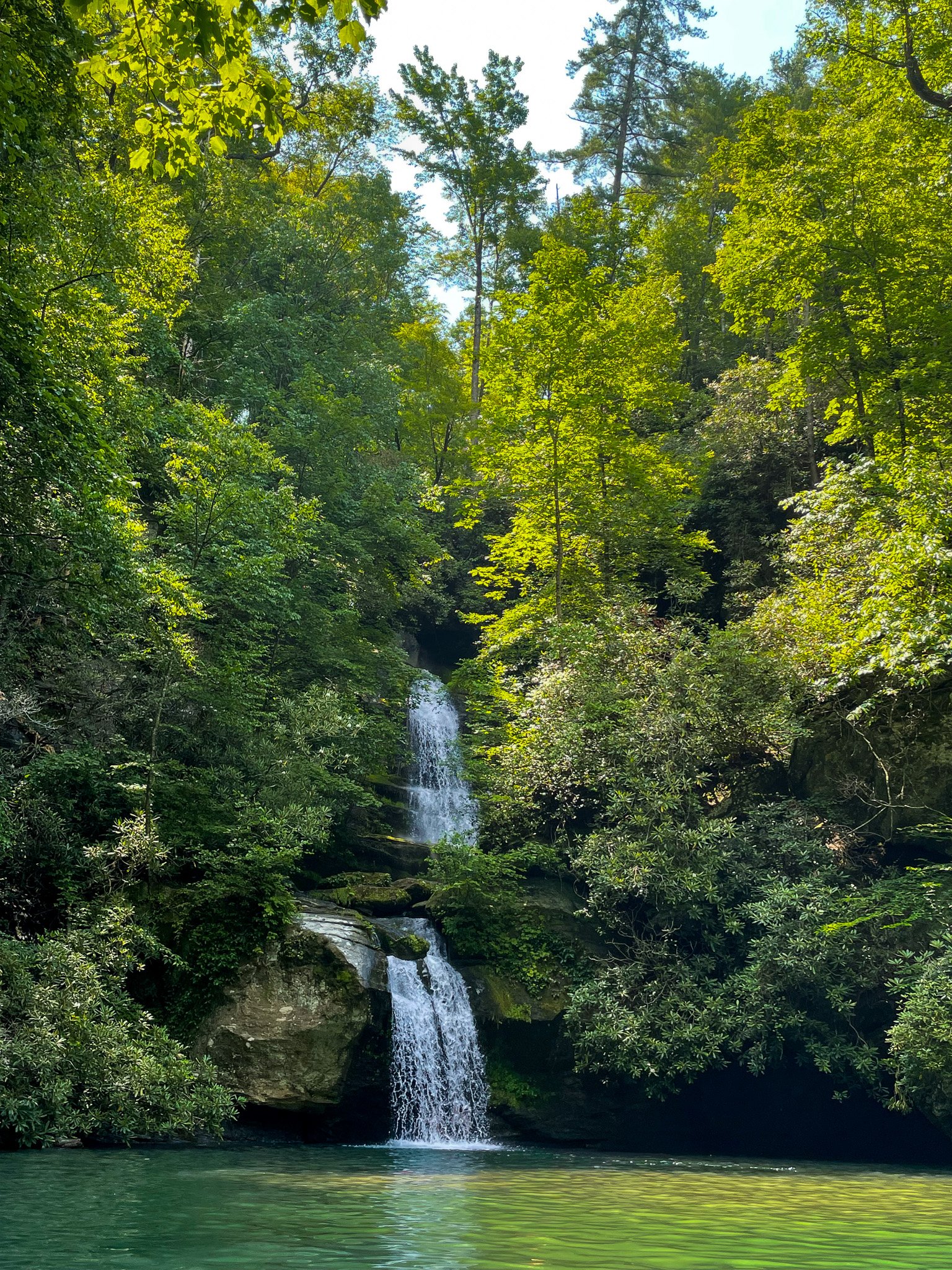
Wright Creek Falls
Distance from Greenville: About 1 hour
Lake Jocassee is one of, if not the most awarded lakes in the Upstate — recognized on National Geographic's list of "50 of the World's Last Great Places — Destinations of a Lifetime" & named by USA Today as the best lake for swimming in the country. And I cannot argue. Photos don't do it justice — it's one of the most stunning places I've ever been.
Jocassee is a 7,500-acre man-made lake formed in the early 1970s, fed by cold Appalachian mountain streams that keep the water temperature significantly cooler than most Southern lakes — typically 72–78°F in summer. The result is water so clear you can see straight to the bottom in the shallows. Even at a depth of 60+ feet, visibility is fantastic.
One of my favorite things about Lake Jocassee is that the shoreline is almost entirely undeveloped. That means when you're out on the water, you're surrounded by forested slopes and the beauty of the Blue Ridge Mountains. Several waterfalls cascade directly into the lake, only reachable by boat. Laurel Fork Falls (an 80-foot drop), Mills Creek Falls, Wright Creek Falls and Bad Creek Falls are all worth the paddle or cruise. In fact, on any given summer Saturday, you can probably find me with my boat tied up at Bad Creek Falls — snorkeling around in the shallows.
Jocassee is also famous among scuba divers. The submerged Jocassee Valley — including the old town of Jocassee itself — sits below the surface, and the crystal-clear waters make this lake very diveable. In fact, this is where I got certified.
What to Do:
Swimming, snorkeling, boating, kayaking, fishing, scuba diving, and waterfall touring. For hikers, Devil's Fork State Park (the only public access point to the lake) has the 1.5-mile Oconee Bell Nature Trail, best visited in mid-March to early April when its rare white wildflowers bloom. Miles of additional trails exist in the surrounding Jocassee Gorges Wilderness Area, which straddles Pickens and Oconee counties.
Rentals: Jocassee Outdoor Center offers pontoon boats and four-hour waterfall boat tours. Eclectic Sun operates at the Devil's Fork State Park pavilion right at the water's edge and rents kayaks, canoes, and paddleboards — they'll drop your rental right in the water for you.
Camping: Devil's Fork State Park is where you want to be. Options include 59 paved RV/tent sites with water and electric hookups, 25 walk-in tent sites near the shoreline, 25 boat-in backcountry campsites on the north shore of the lake, and 20 fully furnished lakeside villas for those who prefer walls and a bed. Reserve well in advance for summer weekends.
Pro Tip: Devil's Fork State Park is the only public access to Lake Jocassee. In the summer months, parking fills up quick so plan to arrive as early in the morning as possible to avoid long lines or being turned away at the gate due to capacity. If you're bringing your own kayak or paddleboard, Devil's Fork has two non-motorized launch areas (take the left fork before the gate house to reach them) in addition to the main boat ramp — a convenient option that keeps paddle craft separate from the motor boat traffic. For this option, you will need exact cash for the parking fee or a SC State Park Pass.
Lake Hartwell
Distance from Greenville: About 1 hour
Lake Hartwell is a different kind of lake experience — bigger, more open. Straddling the South Carolina-Georgia border, and bisected by I-85, Lake Hartwell is incredibly accessible. At nearly 56,000 acres with 962 miles of shoreline, it's one of the largest lakes in the entire Southeast. It was created in 1962 when the Army Corps of Engineers completed Hartwell Dam, impounding the Savannah River's tributaries and flooding the Tugaloo and Seneca Rivers. Lake Hartwell has one view you won't find anywhere else: Clemson University's Death Valley stadium rising from the shoreline.
Hartwell has hosted the Bassmaster Classic tournament multiple times, which tells you everything you need to know about its fishing reputation — I'll leave the specifics to the anglers, but it's consistently cited as one of the best bass fishing lakes in the Southeast.
Hartwell has a different character than Keowee or Jocassee — it's busier, a little more 'redneck riviera' vibe.
What to Do:
Boating, fishing, swimming, hiking, camping, and birdwatching. Lake Hartwell State Park offers a 0.7-mile Beech Bluff Trail with lake views, a 140-foot fishing dock, a tackle loaner program, two boat ramps, and a small playground. The park sits just off I-85 at the SC-Georgia border and serves as a gateway to the Cherokee Foothills National Scenic Highway.
Rentals:
No boat rentals at the state park itself, but several outfitters and marinas operate on the lake, including Clemson Marina, Tri-County Boat Rentals, and Big Water Marina Lakeside Resort.
Camping:
Lake Hartwell State Park has 109 paved sites with water and electric hookups, 13 walk-in tent sites, and one-room camper cabins — a hybrid between tent camping and cabin comfort. The cabins have bunk beds, a double bed, a porch, A/C, and Wi-Fi, but no running water; bathrooms are nearby. A two-night minimum applies for most reservations.
Lake Robinson
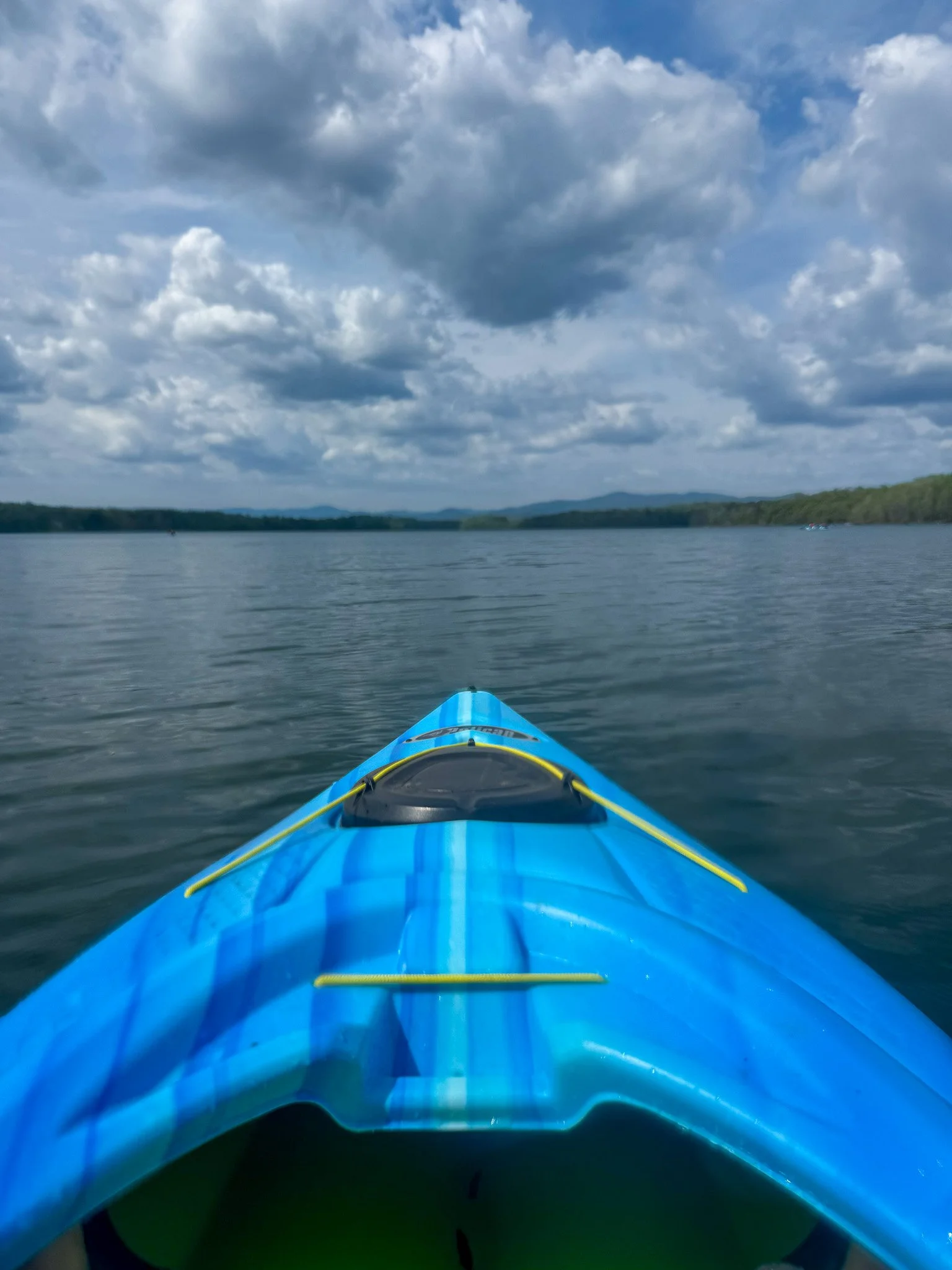
Distance from Greenville: About 25 minutes
Lake Robinson is the lake I'd call Greenville's best-kept local secret — 800 acres of quiet, clean water sitting just northwest of Greer off Highway 101. It's owned and managed by the Greer Commission of Public Works (CPW) as part of the city's drinking water system, which is exactly why it's so pristine and why the rules here are more specific than at most lakes.
Lake Robinson is probably my second favorite Upstate lake following Jocassee. There's no jet ski noise, no wake boats flipping the whole lake upside down, and no crowds. Despite being so close to town, Lake Robinson offers incredible natural beauty - with minimal McMansions along the shoreline and a great mountain view. On the flip side, there's no swimming here so it may not be the perfect fit for those where that check box sits at the top of the list.
The fishing pier at J. Verne Smith Park is a great option if you want to wet a line without getting on the water — it's ADA accessible and a popular spot for fishing.
Regulations to Know Before You Go:
Because Robinson is a drinking water reservoir, more regulations are in place and you'll see the Wardens out and about enforcing them.
Permits are required for all boating and fishing. Permits can be obtained at the Lake Warden's office at 2544 Mays Bridge Road, Greer, SC 29651. Office hours are Tuesday–Saturday, 8:00 AM–4:45 PM (closed 12–1 PM for lunch). A daily boating permit costs $5; an annual permit is $30. A valid South Carolina fishing license is also required for anyone 16 and older. More information and permit details are available on the City of Greer website at greercpw.com.
Motor size is restricted. No boat or vessel with a motor exceeding 10 horsepower is permitted on the lake. If your motor is larger than 10 HP, it must be physically removed before a reservoir permit will be issued. This rule is strictly enforced.
Personal watercraft are not allowed. Jet skis, wave runners, and hydroplanes are prohibited. Inflatable craft require prior approval from the Lake Warden.
Swimming is not permitted within 200 feet of the boat ramp / docks.
No alcohol on the lake or reservoir property.
Park hours are sunrise to sunset, year-round (closed Christmas Eve, Christmas Day, and New Year's Day).
Rentals: Cole's Bait Shop & Kayak Rentalis located directly across the street from the J. Verne Smith Park entrance and the Lake Robinson boat ramp. They offer single and tandem kayaks, canoes, and stand-up paddleboards for rent, plus live bait and tackle.
Trails: There's a walking trail with water and wooded views, plus picnic shelters that can be rented for events.
Saluda Lake
Distance from Greenville: About 15–20 minutes
Saluda Lake is the one that surprises people. A 331-acre reservoir sitting less than 10 miles from downtown Greenville, it sits on the Saluda River on the border of Greenville and Pickens counties. It's small by the standards of some of the lakes on this list, but is a quick, accessible escape that feels like a world away from Downtown Greenville.
What to Do:
Kayaking, stand-up paddleboarding, canoeing, boating, and fishing. The lake has no motor restrictions (note: the river end has very shallow shoals marked by buoys — don't cross them or your motor will hit bottom).
Rentals:
Saluda Lake Landing (605 Motor Boat Club Road, Greenville), open seasonally, is the hub of activity here. They offer single and tandem kayaks, canoes, stand-up paddleboards, and tubes for rent in 2-hour, 4-hour, and full-day increments. A boat launch is available for those bringing their own watercraft. Monthly memberships are available for frequent visitors.
Entry/Fees:
A small fee applies to use the boat launch at Saluda Lake Landing. There is also a free public access point at Buckskin Road in Easley for those who prefer to bring their own kayak. A South Carolina fishing license is required for fishing.
Lake Placid at Paris Mountain State Park
Distance from Greenville: About 10 minutes
If you want a wild swim without leaving Greenville, Paris Mountain State Park is the answer. Located just five miles north of downtown, this 1,540-acre state park was built by the Civilian Conservation Corps during the Great Depression — the stone and timber structures are still standing and have been listed on the National Register of Historic Places. At the center of it all is Lake Placid.
Lake Placid is a small, peaceful lake — reminiscent of the summer camp where I spent my childhood. There's a sandy beach and swim platform and lounge chairs as well as fishing. Private boats are not permitted, but kayaks are available for rent on site. The Lake Placid Trail is a 1.2-mile loop that circles the lake and passes the historic spillway. Easy, beautiful, and one of my favorite short hikes near Greenville.
The park also contains North Lake (Reservoir #3), a larger 15-acre lake only accessible by hiking in. North Lake is reserved for fishing only.
What to Do:
Hiking, mountain biking, swimming (in-season), fishing, kayaking/canoeing, camping, and wildlife watching. The park has 17 miles of trails ranging from the easy Lake Placid loop to the challenging 4.1-mile Sulphur Springs Trail (the park's most popular, with a 4.7-star rating on AllTrails). Note: mountain biking is not permitted on Saturdays.
Rentals:
Kayaks, canoes, and pedal boats are available for rental on weekends (seasonal). Private boats are not allowed on Lake Placid.
Camping:
Paris Mountain has 39 paved campsites with individual water and electric hookups, 13 with tent pads, and 5 trailside campsites around the North Lake Trail Loop. The Group facility at Camp Buckhorn (Buckhorn Lake) accommodates groups with a lodge and primitive cabins.
What to Pack for a Lake Day in South Carolina
Here's what I never leave home without, along with some essentials worth keeping in your kit year-round.
Sun & Skin Protection
Sunscreen - this is my go-to. Zinc, minimal white case, reef safe so can transition from lake to ocean
UV-protective sun shirt or rash guard
Wide-brim hat
Polarized sunglasses - good polarized sunglasses are a game changer when you’re out on the water. I have this pair from Maui Jim but also love these from Goodr for a budget friendly option.
On the Water
Life jacket(required by law on SC waters — make sure it's properly fitted and Coast Guard-approved)
Dry bag for your phone, keys, wallet, and any electronics
Waterproof phone case as backup
Reusable water bottle (minimum 32 oz — you'll drink more than you think in the heat). Sometimes I'll just toss my hydration bladderin my boat too.
Food & Fuel
High-protein snacks: trail mix, jerky, granola bars
A small soft-sided cooler with ice packs - this one is a perfect fit for my kayak’s cargo area.
Sandwiches or wraps that can take some heat and jostling
First Aid & Safety
Whistle (required on most rental watercraft — and a good idea regardless)
Wag Bags: remote paddling in areas like Lake Jocassee can pose challenges when nature calls — these are an easy solution for packing out that waste.
Comfort
Change of dry clothes stored in your car
Water Shoes - I opt for either Chacos or Astrals on boat days
Portable Bluetooth speaker (waterproof); just don't be that guy if it's not the vibe (or use it while hiking). We’ve had this speaker for a decade and love the bungee strap for attaching to our boat.
My Kayak and Car Setup
I get asked about this all the time, so here's what I actually use.
The Kayak: I paddle a Pelican Mustang 100x and have had my boat since 2020. It's in great shape with minimal wear & tear. My only gripe is that the "dry box" isn't actually. It's fairly light weight for its length and tracks well in the water. We've used primarily on flat water but have also found them usable on chill rivers - wouldn't recommend for whitewater due to the size.
This ARGO model is very similar.
Paddle:
We use these paddles from Oceanbroad. The two-piece design break down in half, making it easy to toss in the back of the car. They include a drip ring to help keep you dry, comfort grips and come in a variety of widths to best serve different heights and boat styles.
Roof Rack System:
When we're loading on the roof of our Jeep Cherokee, we use a Thule rack system. We pair these Thule cross bars with this double J-hook system. It lets you carry two kayaks side by side with relative ease and I love that it folds flat when not in use.
*Be sure to purchase the correct crossbar size for your vehicle.
Straps: I use two cam straps over the hull (never ratchet straps — they can crush a kayak) and two bow/stern tie-downs running to the front and rear of the car. A kayak that hasn't shifted at highway speed is a kayak with good tie-downs. These are my favorite cam straps - they aren't the cheapest option available but I love that they have a rubber cover for the cam so there's no worry about it scratching your car.
I also use the cam straps as tie downs when we load the kayaks in the bed of our Ford Ranger.
Life Jacket: I opted for a women's specific fit from Astral.
Pro tip: Load and unload in your driveway before you drive anywhere. Practicing the sequence at home means you're not wrestling with a slippery boat in a crowded parking lot trying to figure it out for the first time.
If you're loading in a pick-up truck bed, don't forget your warning flag to alert other drivers of the overhang.
Frequently Asked Questions
Do I need a boating license to rent a kayak or boat in South Carolina?
In South Carolina, you don't need a boating license to rent a boat if you were born before July 1, 2007. If you were born after that date, you're required to complete an approved boater education course before operating any motorized watercraft of 10 HP or more. Kayaks and paddleboards don't require a license regardless of age.
Do I need a fishing license?
Yes. A South Carolina fishing license is required for anyone age 16 and older fishing in any of the lakes listed here. You can purchase one through the SCDNR at dnr.sc.gov. Some lakes (like Lake Robinson) also require an additional lake-specific permit separate from your state license.
What's the best time of year to visit these lakes?
Late spring through early fall (May–September) is peak season for swimming, boating, and water sports. Temperatures are warm and the lakes are at their best. That said, spring and fall offer excellent fishing and far smaller crowds — if you're going for the experience rather than the swim, April and October can be the sweet spot. Many of these lakes offer year-round fishing.
Can I bring my dog?
Most of these lakes allow leashed pets in outdoor areas. Paris Mountain State Park allows dogs on trails; Keowee-Toxaway allows leashed pets in most outdoor areas. Lake Robinson allows leashed pets on the property. Always check the specific rules for the lake or park you're visiting before bringing your pup.
Are there waterfalls you can reach by boat?
Yes — Lake Jocassee is famous for this. Laurel Fork Falls (80 feet), Mills Creek Falls, Bad Creek Falls and Wright Creek Falls all flow directly into the lake and can only be reached by water. It's one of the bucket-list experiences available within an hour of Greenville. You can paddle to some of these or opt for a tour.
Is swimming allowed at all of these lakes?
Swimming is permitted at Lake Jocassee, Lake Keowee, Lake Hartwell, Paris Mountain's Lake Placid, and Saluda Lake though many do not have lifeguards on duty. Swimming is NOT permitted within 200 feet of the boat ramp and docks at Lake Robinson, but is allowed if you are beyond this designation.
What's the water quality like?
Generally excellent for most of these lakes — particularly Jocassee and Keowee, which are consistently ranked among the clearest lakes in the Southeast. Lake Robinson is pristine specifically because it's a protected drinking water reservoir. Lake Hartwell is the exception: DHEC advises catch-and-release there due to elevated pollutants.
Whether you're a Greenville transplant just discovering the Upstate or a local who's driven past the lake signs for years without stopping, now's the time to get out there. This region has more water than most people realize — and most of it is within a short drive on a summer morning when the lake is flat, the fog is lifting, and you've got nowhere to be but on the water.
Hi, I’m Jess
I’m here to help you plan epic adventures. If you’re looking for authentic travel guides that mix luxe lodging and incredible dining with out of this world hikes and adventures, you’re in the right place.

Holidays in Greenville, South Carolina come with Hallmark charm - discover all of the festive happenings throughout the season