What to Wear Hiking in Zion National Park + Packing List
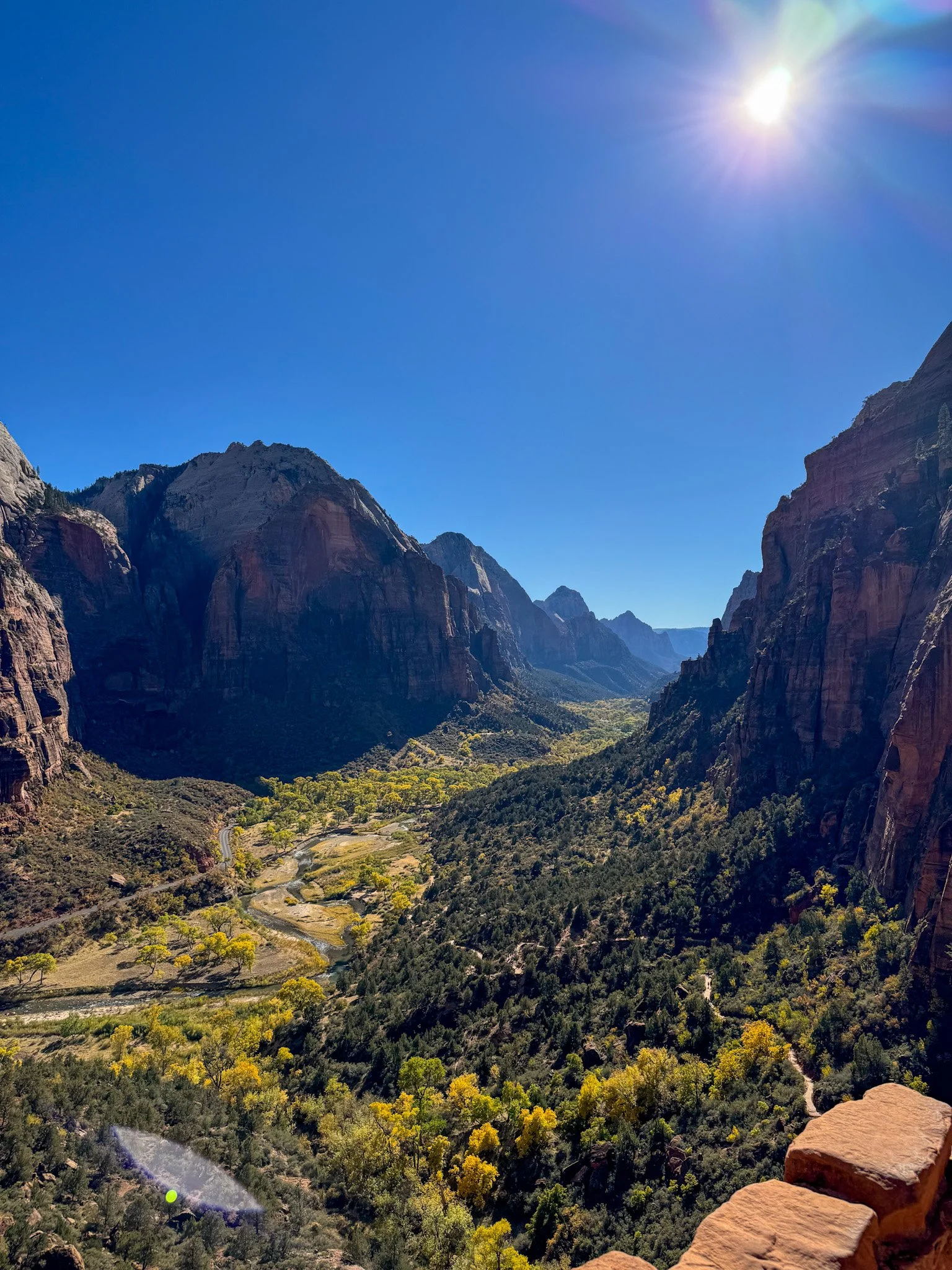
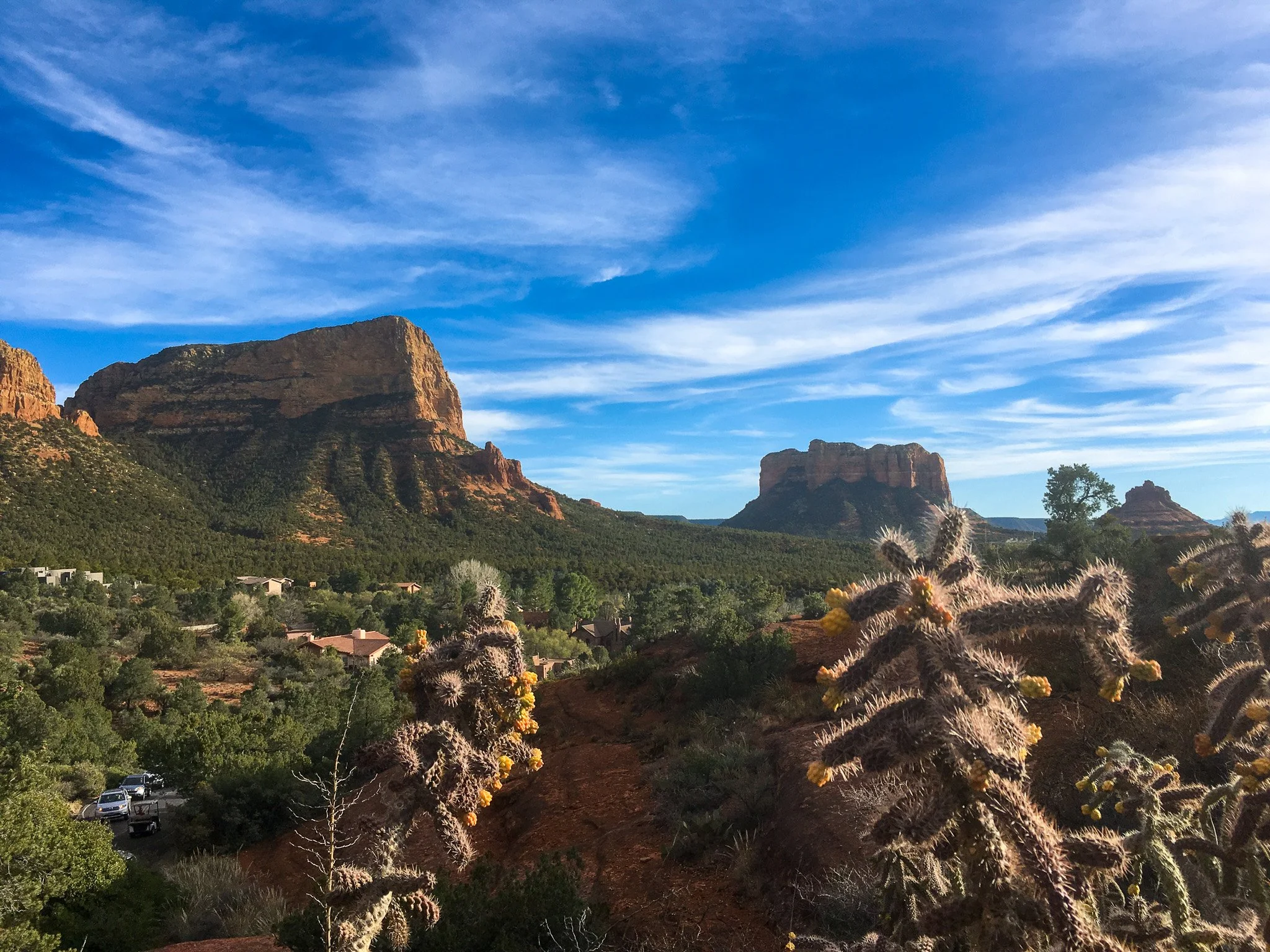
If you're planning a trip to Zion National Park, you're in for one of the most stunning landscapes the American Southwest has to offer. From the towering red and white sandstone cliffs of Angels Landing to the canyon walls of The Narrows, Zion is a park that demands to be explored on foot. Having the proper gear before you hit the trail in Zion National Park can make the difference between an unforgettable adventure and a miserable one.
My husband and I spent several days in Zion as part of a campervan road trip from Las Vegas. We passed on Angel’s Landing but otherwise made an effort to see all of the most iconic trails. Since then, I’ve loved helping clients plan for vacations to Zion - making the most of their time out west.
This guide covers exactly what to pack for Zion — broken down by season, trail type, and activity — so you can spend less time planning and more time soaking in those views.
This post contains affiliate links. I may earn a small commission if you shop through them, at no extra cost to you.
Zion Weather: What to Expect by Season
One of the most important things to consider before packing for Zion is the weather — it can vary not just by season, but even within a single day. Temperatures in the canyon can shift dramatically from morning to afternoon, and elevation changes between trailheads add another layer of variability. Here's a general breakdown of what to expect throughout the year:
Winter (December – February)
Zion in winter is magical and far less crowded than peak season. That said, cooler temperatures and chilly early mornings mean extra layers are non-negotiable. Snow is possible at higher elevations, and some trails may be icy or closed. Plan for temperatures that can dip into the 20s°F at night and hover in the 40s–50s°F during the day.
Spring (March – May)
Spring is one of the best times to visit Zion. Wildflowers bloom, the Virgin River runs full, and the crowds haven't quite peaked yet. Mornings can still be cool, especially in March, so layering is key. By May, daytime temps are warming into the 70s°F. This is also the beginning of rain season, so keep an eye on forecasts.
Summer (June – August)
Summer brings intense heat, especially on exposed trails. Temperatures regularly climb into the 100s°F on the canyon floor. Early starts are essential, and midday hiking on shadeless trails is not recommended. This is also monsoon season — afternoon thunderstorms can roll in quickly and cause dangerous flash flooding. Always check the weather report and flash flood warnings before heading out.
Fall (September – November)
Fall is arguably the most beautiful time to visit Zion, with golden cottonwood trees and cooler, more comfortable hiking temperatures. September still carries some monsoon risk, but by October the weather tends to stabilize. Mornings and evenings cool off quickly, making layers a must. Fall foliage peaks in October and November.
What You Need for The Narrows Hike
Hiking The Narrows — Zion's iconic canyon route through the Virgin River — is arguably one of the most famous river hikes. But it also requires specific gear, because you will be walking through cold water for most of the hike.
The water in The Narrows stays cold year-round, typically ranging from 40–65°F depending on the season. Even in peak summer, the canyon walls keep things shaded and cool, so preparation is everything.
Summer
In warmer months, many hikers opt for water shoes or a sturdy hiking sandal with good grip. The rocks underfoot are slippery, so traction is critical — flip flops and bare feet are a bad idea. Quick-dry shorts and a moisture-wicking top round out a solid summer Narrows outfit.
→ My favorite hiking sandals: Chacos
→My favorite quick dry shorts: PrAna Zion Halle (coincidence, I swear!)
→ My favorite moisture wicking top: Patagonia Capilene Cool
Cooler Seasons (Fall, Winter, Spring)
For shoulder season and winter hiking in The Narrows, renting gear from one of the outfitters in Springdale (just outside the park entrance) is highly recommended. Rental packages typically include neoprene socks, waders, and a walking stick — all of which make a significant difference when you're wading through frigid water for hours at a time. This is one rental situation that's absolutely worth the cost.
All seasons:
Dry Bag: Trade out your usual day pack for a dry bag option. The goal is not to fall in, but if the worst case happens you don't want all of your gear getting soaked.
→ My favorite dry bag backpack: EarthPak
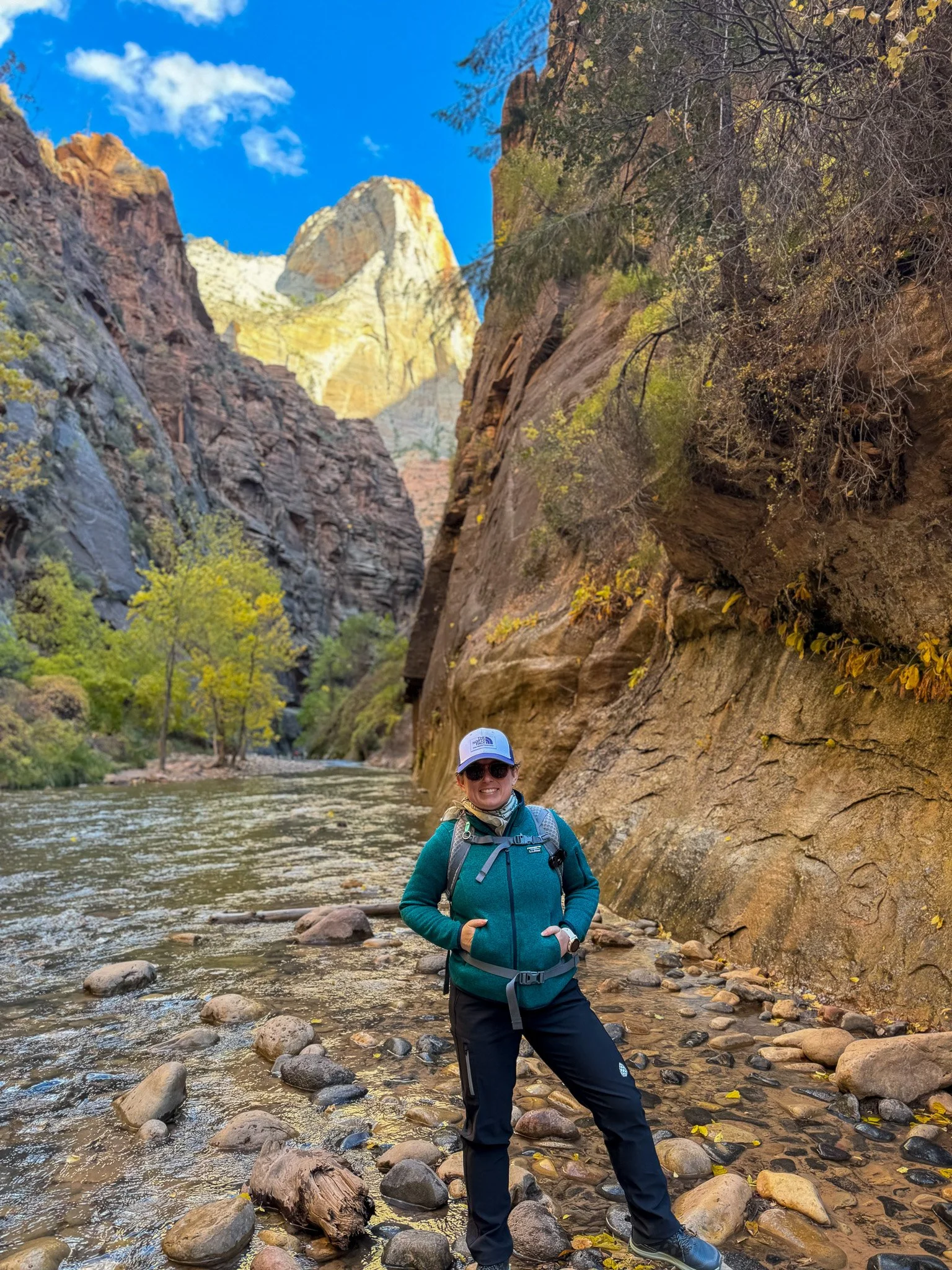
Zion Packing List: What to Wear Hiking in Zion
Clothing
Waterproof Jacket / Light Rain Jacket — A packable rain jacket is essential year-round. Afternoon storms can appear without much warning, especially in summer and spring. Look for something lightweight enough to stuff into your day pack without taking up too much space.
→ My favorite rain jacket: Marmot Precip Jacket
→ My favorite rain pants: Marmot Precip Pants
Wool Socks — Wool socks are a hiker's best friend. They regulate temperature, resist odor, and stay comfortable even when damp. Pack at least two pairs.
→ My favorite wool socks: Darn Tough
Appropriate Shoes — Good traction is non-negotiable on Zion's varied terrain. Trail runners are a great all-around option — they're lightweight, dry quickly, and handle both sandy washes and rocky switchbacks well. Avoid cotton-lined shoes that hold moisture.
→ My favorite hiking shoes: Altra Lone Peak
Light-Colored Clothing — In the summer heat, light colors reflect sunlight and help keep your body temperature down. Dark colors absorb heat, which is the last thing you want on an exposed trail at midday.
Merino Wool Base Layers — Merino wool is one of the most versatile fabrics you can pack. It's breathable in heat, insulating in cold, and naturally odor-resistant — meaning you can wear it multiple days in a row. A lightweight merino tee works in summer; a mid-weight merino layer is ideal for cooler months.
Comfortable quick-drying pants or shorts
→ My favorite quick dry shorts: PrAna Zion Halle
→ My favorite quick dry pants: LL Bean Rip Stop Jogger
Buff or bandana
→ My favorite bandana: Loon Bandana
Sunglasses
→ My favorite polarized sunglasses: Maui Jim
→ My favorite budget conscious polarized sunglasses: Goodr
Wide-Brimmed Hat — Sun protection is serious business in the Southwest. A wide-brimmed hat shades your face, neck, and ears — areas that are easy to forget until you're already burned.
→ My favorite packable sun hat: The North Face Horizon Breeze
→ My baseball hat: The North Face Mudder Trucker
Sun Shirts — Long-sleeved sun shirts with UPF protection are a game changer. They keep the sun off your skin without making you overheat, and are far more effective than constantly reapplying sunscreen.
→ My favorite sun shirts:Patagonia Capilene Cool
Winter Layers — If you're visiting between November and March, add a micropuff jacket, warm base layers, a warm fleece mid-layer, and warm gloves to your packing list. The canyon can be bitterly cold in the shade, even when the sun is out.
→ My favorite gloves: North Face eTip
→ My favorite fleece: LL Bean Sweater Fleece
→ My favorite jacket: Patagonia Nano Puff
Gear & Essentials
Day Pack — A comfortable, well-fitting day pack is your home base on the trail. Look for one in the 20–30 liter range with a hip belt to take weight off your shoulders on longer hikes.
→ My favorite day pack: Cotopaxi 26L
Hydration Bladder — Having enough water and staying hydrated in Zion is critical, especially in summer. A hydration bladder that holds at least two liters of water and fits inside your day pack makes it easy to sip water consistently without stopping to dig out a bottle.
→ My favorite hydration bladder: Camelbak 2L
Water Bottle — Bring a water bottle in addition to your hydration bladder — it doubles as a backup and makes it easier to add electrolyte packets or drink cold water at trailheads.
→ My favorite water bottle: Hydroflask 32 oz
First-Aid Supplies — A compact first-aid kit is always worth the weight. Include blister bandages, pain reliever, moleskin, and any personal medications.
→ My favorite first-aid kit: Rhino Rescue
Sunscreen / Sun Protection — The UV index in southern Utah is no joke. Apply a broad-spectrum SPF 30 or higher before you head out, and reapply every two hours, especially if you're sweating or near the water.
→ My favorite sunscreen: Blue Lizard
Headlamp — Always good to have in your day pack just in case. Opt for a version that has both white and red light.
→ My favorite headlamp: Black Diamond
Microspikes | Traction Control (winter) — Some trails can get covered in snow and ice in winter. Microspikes or other traction control devices that can go on over your shoes can help provide much needed traction on the trail.
→ My favorite crampons: YakTrax
Quick dry towel — Great to have after you finish the Narrows or if you opt to dip your toes in the virgin river post-hike.
→ My favorite quick dry towel: Nomadix
Packing Tips:
Layering is key
Cool mornings can give way to blistering heat in the afternoon. Layer up to start your day and plan to shed as the day warms up. Choose moisture wicking base layers to ensure you stay as cool as you can in the canyon.
Hydration & Snacks
It's essential to have plenty of water while hiking in Zion. A minimum 3L per person per day (spread between your hydration pack and water bottle) is a good rule of thumb. Be sure to also pack salty snacks & electrolytes to replace salt loss while you sweat.
Sun Protection
The sun in Zion Canyon is no joke no matter the time of year. Plan ahead with proper sun protective clothing and sunscreen. You don’t want a bad sunburn putting a damper on your outdoor adventures.
Download Maps & Permits
Cell service can be spotty at times in the canyon. Download maps and permits to your phone or other applicable device for offline access. I typically utilize AllTrails paired with my Garmin Fenix to help ensure I make it back to the trailhead.
FAQs
What Lodging Options Are Near Zion?
Zion has a range of lodging options to suit different travel styles and budgets.
Inside the Park: Zion Lodge is the only lodging option within the park itself. It books up months in advance, so reservations are essential if this is your top choice. Staying inside the park means easy access to the shuttle system and a truly immersive experience.
Springdale, Utah: The small town of Springdale sits right at the south entrance of the park and is the most popular base camp for visitors. You'll find a wide range of options here, from boutique hotels and bed and breakfasts to vacation rentals and budget-friendly motels. Many properties are within walking distance of the park entrance, making it incredibly convenient.
Camping: Zion has several campgrounds, including Watchman Campground and South Campground, both located near the visitor center. Watchman accepts reservations (book early!), while South Campground historically operates on a first-come, first-served basis. For a more remote camping trip, there are several primitive camping options on nearby BLM land. If you go this route, be sure to practice Leave No Trace principles.
Hurricane and St. George, Utah: If you're visiting during peak season and can't find lodging in Springdale, the nearby towns of Hurricane (~20 miles) and St. George (~40 miles) offer more availability at lower price points. The drive into the park is easy and scenic.
Do I Need a Permit to Hike in Zion?
It depends on the trail. Most of Zion's trails are permit-free, but a few of the most popular ones require advance planning. Angels Landing requires a permit obtained through a lottery system via Recreation.gov — both a seasonal lottery (held months in advance) and a day-before lottery are available. The Narrows bottom-up route (starting from the Temple of Sinawava) does not require a permit. However, if you're doing the top-down Narrows route, you will need both a permit and a shuttle reservation. Always check the NPS Zion website before your trip, as permit requirements can change.
Is Zion Worth Visiting in Winter?
Absolutely — and it's one of the best kept secrets among frequent national park visitors. Crowds are dramatically thinner, the park takes on a moody, dramatic atmosphere, and you may even catch snow dusting the red canyon walls, which is stunning. The shuttle system runs on a reduced schedule, and some trails at higher elevations may be closed or require microspikes. That said, the valley floor trails like Riverside Walk and Pa'rus Trail are generally accessible year-round. Just bundle up and check trail conditions before you go.
How Do I Get Around Zion Without a Car?
Once you get there, Zion is actually one of the best national parks for visitors without a vehicle. The free Zion Canyon Shuttle runs from the town of Springdale all the way through the main canyon, stopping at all major trailheads. During peak season (spring through fall), personal vehicles are not permitted on Zion Canyon Scenic Drive at all — meaning everyone rides the shuttle. If you're staying in Springdale, many hotels are within walking distance of the park entrance, and a separate shuttle connects Springdale stops to the visitor center.
How Many Days Do You Need in Zion?
Two to three days is the sweet spot for most visitors. That gives you enough time to hike the major trails — The Narrows, Angels Landing (if you have a permit), Emerald Pools, and Canyon Overlook — without feeling rushed. If you want to add a day trip to nearby Bryce Canyon National Park or explore some of the lesser-known trails, plan for four to five days. If you're short on time, even a single full day in Zion is worth it.
→ Check out my 2-day Zion itinerary
Can I Bring My Dog to Zion?
Pets are allowed in Zion, but with significant restrictions. Dogs are permitted on the Pa'rus Trail and in developed areas like campgrounds and parking lots, but they are not allowed on the vast majority of trails — including The Narrows, Angels Landing, and Emerald Pools. If you're planning to bring a dog, look into pet-sitting or boarding options in Springdale so your pup is comfortable while you explore the backcountry.
Is Zion Safe for Beginner Hikers?
Yes — Zion has trails for every experience level. The Riverside Walk is paved and accessible, making it great for families and first-timers. Canyon Overlook Trail is a short but rewarding hike with incredible views. Emerald Pools offers a few tiers of difficulty depending on how far you go. Where things get more technical is on trails like Angels Landing (steep, exposed, with chains) and the full Narrows top-down route. As long as you match the trail to your fitness level, check conditions beforehand, and come prepared with the right gear, Zion is incredibly welcoming to hikers of all abilities.
What Should I Know About Flash Floods in Zion?
Flash floods are a real and serious risk in Zion. They can occur even when the sky above you looks clear, because storms miles away can send a wall of water rushing through the canyon with little warning. Before any canyon hike, check the flash flood forecast on the NPS Zion website and ask a ranger about current conditions. If a flash flood warning is in effect, do not enter the canyon — no hike is worth the risk.
As a travel advisor, I can help you build a full itinerary around Zion National Park — including where to stay, and what to hike. Reach out if you'd like help planning.
Hi, I’m Jess
I’m here to help you plan epic adventures. If you’re looking for authentic travel guides that mix luxe lodging and incredible dining with out of this world hikes and adventures, you’re in the right place.

My favorite petite hiking pants - including joggers, rain pants and leggings.