Your Guide to Snorkeling on The Big Island, Hawaii
The Hawaii's Big Island is known as one of the best snorkeling destinations in the WORLD, and for good reason. The vibrant coral reefs, protected by calm bays, are teaming with marine life including tropical fish, eels, sea turtles, eagle rays, manta rays and dolphins. Whether you’re an adventurer who wants to set off to find the best snorkel spots as a DIY adventure or prefer to have someone else show you the way, there are incredible snorkel experiences to be had on your next visit to the Big Island.
My husband and I are certified SCUBA divers, which means we've seen a lot of underwater environments — and we have opinions. We're often underwhelmed by snorkeling excursions that don't deliver much below the surface. The Big Island was different. As a Fora travel advisor who has helped clients plan Hawaii trips across multiple islands, I'd heard the Big Island snorkeling was special — and it genuinely exceeded expectations. In this guide I'm sharing the best spots, the one tour we think is unmissable, and everything you need to know before you get in the water.
This post contains affiliate links. I may earn a small commission if you shop through them, at no extra cost to you.
Big Island Travel Guide - Where to Stay, Things to Do & Travel Tips
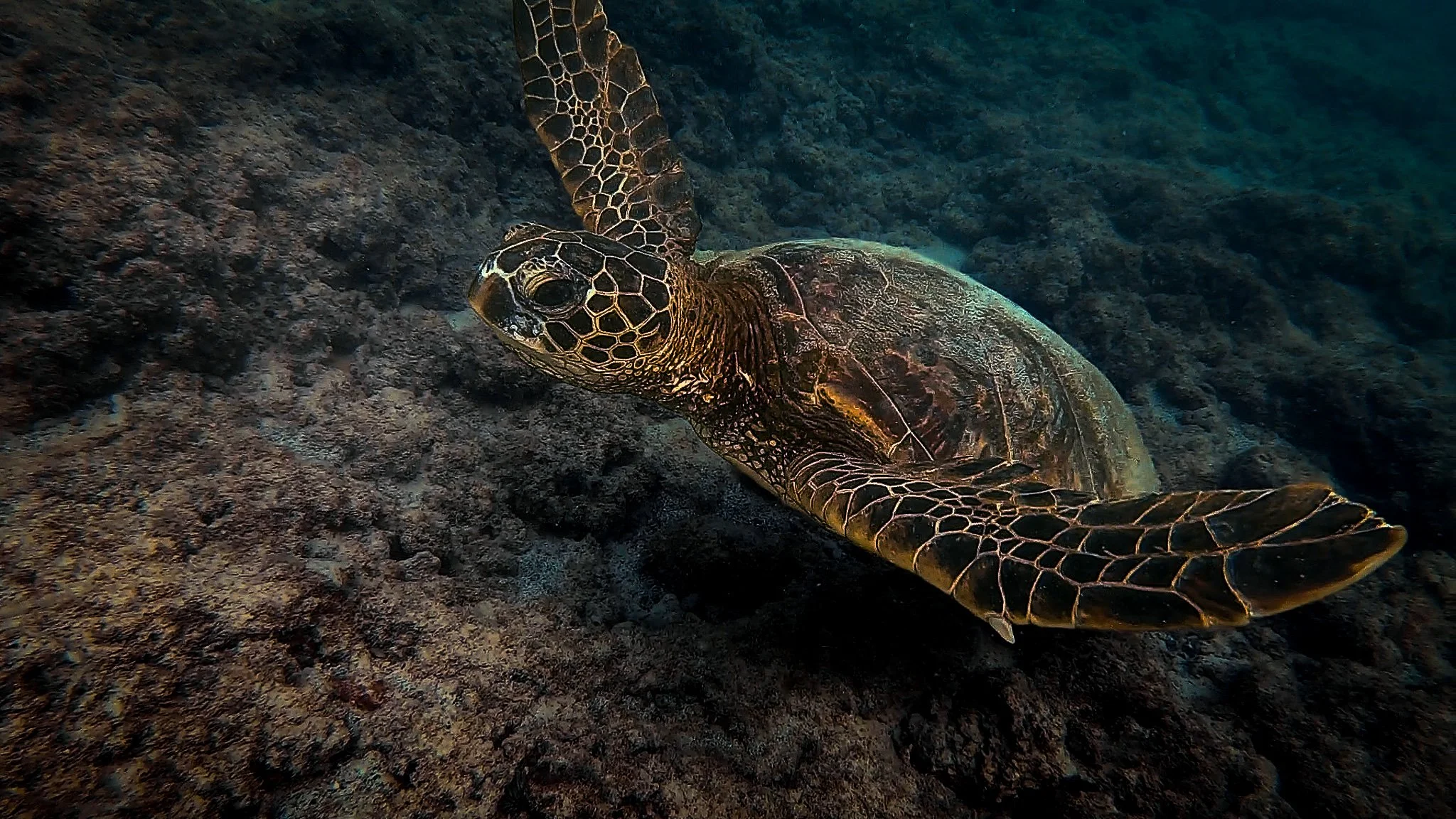
Green sea turtle seen in Pauoa Bay
About the Big Island of Hawaii
The Big Island of Hawaii is the youngest and the largest of the Hawaiian islands. It’s home to the tallest mountain on earth (if measured from sea level), Mauna Kea, and with multiple active volcanoes, it’s the only Hawaiian island where you can view active lava flows.
The Big Island of Hawaii is known for having some of the best snorkeling in the Pacific. With its clear waters, diverse marine life and protected marine parks, the Big Island delivers incredible underwater experiences. Whether your exploring reefs along the lava-lined coast or taking a night swim with majestic manta rays, dive in for the best ways to take a peek into Hawaii's underwater world.
Tips for Snorkeling on The Big Island
🌅 Snorkel In the Morning:
Typically, the ocean is calmer in the morning. During this time, you’ll have greater visibility and you won’t be getting bounced around by waves on the surface.
🧴 Wear Reef Safe Sunscreen:
Chemicals in many sunscreens, including the likes of oxybenzone, can be very damaging to marine habitats and have been found to cause bleaching of reefs. Any day you plan to be in the ocean, be sure to reach for a reef safe sunscreen like this one.
🪸 Don’t Touch or Step on Coral
In fact, just don’t touch anything in the ocean other than the water — and maybe the sandy beach at your entry point. Coral is a living organism - touching and stepping on it can be very damaging. And, it might also injure you - it could break off to become lodged in your skin, fire coral can sting and abundant sea urchins make it additionally dangerous.
🤿 Bring Your Own Gear
I highly recommend purchasing your own snorkeling gear and investing in high quality gear. Having the right gear can make such a huge difference in your snorkel experience - you wont be constantly battling water leaking into your mask or rubber straps pulling your hair out. Plus, if you plan to explore snorkel spots on your own, you’ll find that those beaches do not offer any equipment rentals. When selecting your gear, avoid full face masks - they are dangerous due to the increased CO2 build up and have been linked to snorkeling deaths.
I’m linking my favorite gear below, but if you have a local dive shop, I highly recommend stopping in to get fitted.
If you’re not ready to invest in your own snorkel gear, you may want to consider renting gear from a shop like Snorkel Bob’s which offers weekly rental packages. If you opt for a snorkel tour, rental gear is often included in the cost of the excursion.
🌊 Watch the Ocean and Know Your Limits
When you arrive to a snorkel spot, whether it’s your first time there, or your 100th - assess the ocean conditions before getting in. This will help you determine the best snorkle spots (tip: avoid areas where waves are crashing), alert your to rip currents or other potentially dangerous conditions. Many beaches do not have life guards on duty so keep in mind that you will be swimming at your own risk and know your limits.
🤿 Snorkeling Tour
You don’t need to go on a tour to find great snorkeling on the Big Island, but there are a couple of places where tours are either required OR highly recommended.
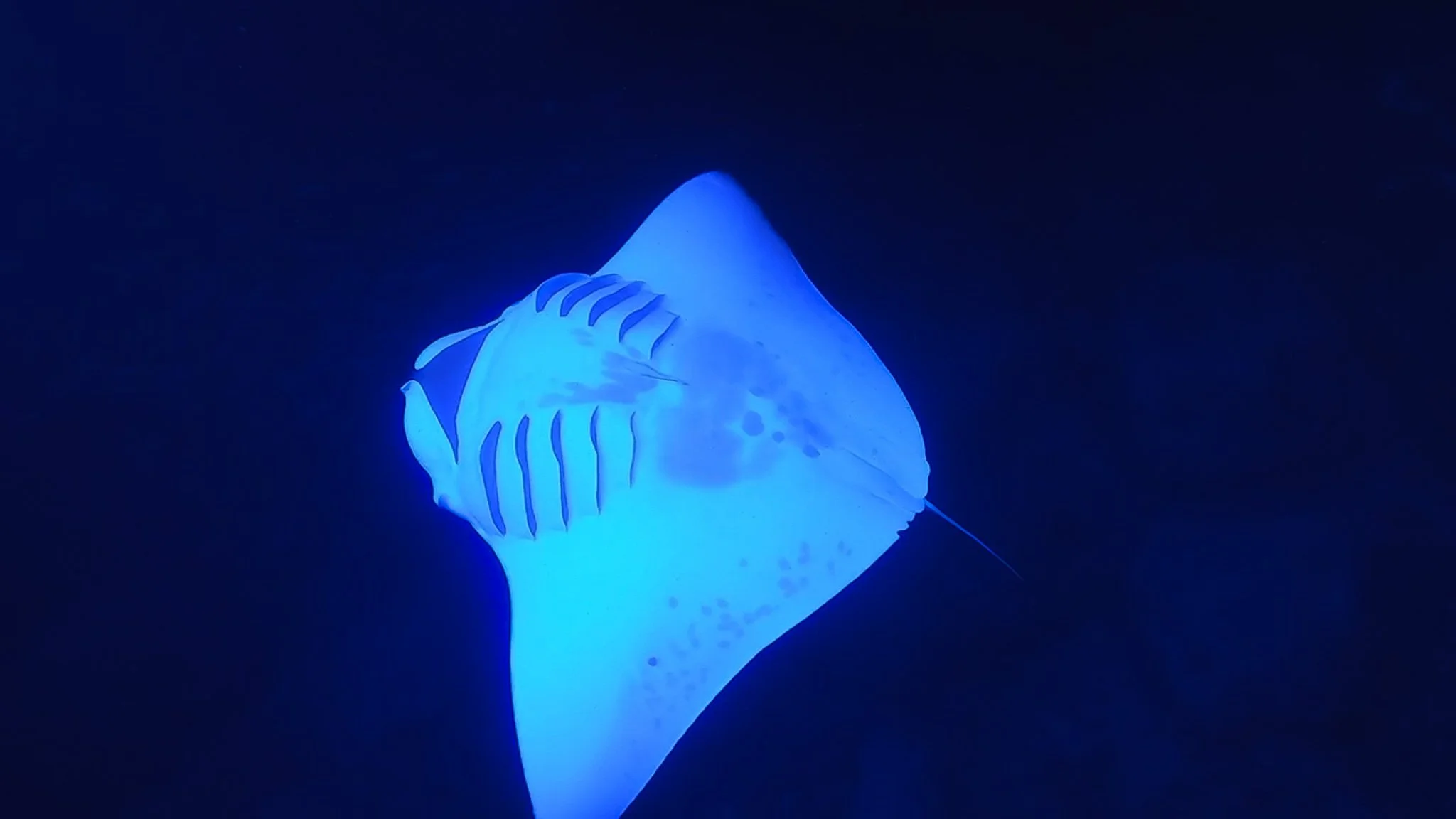
Manta Ray swimming at Keahou Bay
🤿 Keahou Bay (aka Manta Village)
Manta Rays first started visiting what is now lovingly referred to as “Manta Village” in the 1970s thanks to the Kona Surf Hotel illuminating the water so guests could see the ocean at night. These floodlights attracted plankton - eventually bringing manta rays which feed on the plankton.
Now, tour operators utilize customized light boards to attract the manta rays for guests to view up close. With over 300 mantas that call Kona home, the success rate of spotting them at Keahou Bay is very high. If you want to do a night swim with mantas, you absolutely MUST go with a tour operator - with the darkness and high boat traffic at the popular destination, it would be too dangerous to DIY this experience.
We opted to tour with Fair Wind Big Island Ocean Guides for our excursion and selected them with the below criteria in mind:
Proximity of their boat launch to Manta Village. Their dock in Keauhou Bay is approximately a 5 minute boat ride - great for those who experience motion sickness.
Shorty Wetsuits - Though the Kona waters are fairly warm, spending 30+ minutes in the water without much movement is bound to make anyone a bit chilly. Fair Wind provides shorty wet suits (sleeves to the elbow, pants to the knee) to help keep you warm throughout the experience.
Commitment to sustainable tourism: Fair Wind has been Sustainable Tourism Certified by the Sustainable Tourism Association of Hawaii since 2014.
This topped our list as the one of the best experiences we had while visiting the Big Island - you do not want to miss this. Learn more about the Manta Ray ID project - and see if you can identify any manta that you see on your tour, here.
Keahou Bay is located approximately at 15 minute drive south of Kailua-Kona.
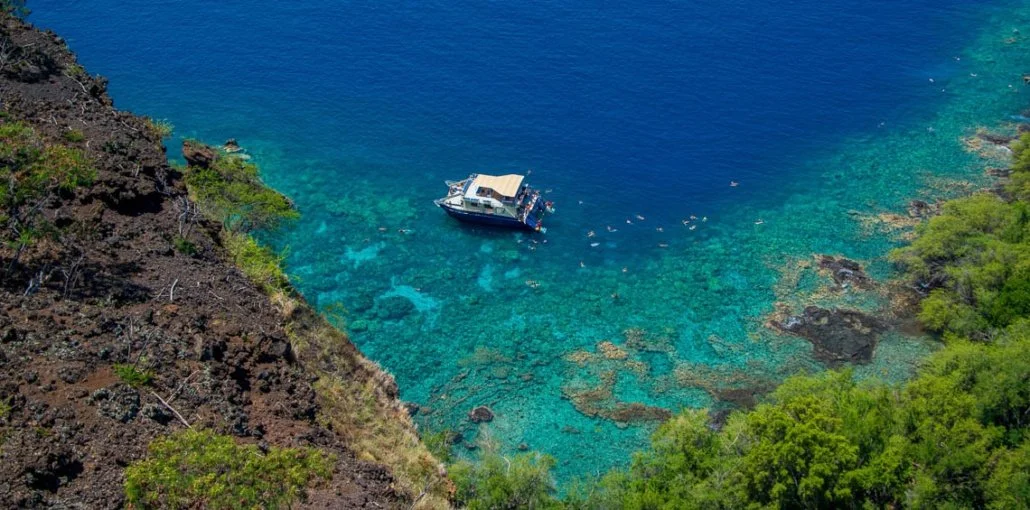
Captain Cook Monument Snorkeling - courtesy of Fair Wind Ocean Guides
🤿 Captain Cook Monument
The Captain Cook monument, located in Kealakekua Bay is known as one of the best snorkel sites on the Big Island of Hawaii and is most easily accessible by boat - so going with a tour operator is probably your best bet. Technically, it can also be reached on foot via the Captain Cook Monument Trail - just be prepared to climb 1300’ ft of elevation in under 2 miles on your post-snorkel return trip.
Kealakekua Bay is the only underwater state park in Hawaii and is designated as a marine sanctuary - giving way to pristine water and visibility up to 100 feet. Visitors will be delighted by coral reefs, a wide variety of fish such as parrotfish, angelfish, yellow tangs and more. Green sea turtles and spinner dolphins have also been spotted in the bay.
The Captain Cook Monument trailhead is located approximately 20 minutes south of Kailua-Kona or a 45 minute boat ride.
Important Wildlife Regulations To Remember:
Federal and State regulations are in place to help protect wildlife you may encounter while snorkeling in Hawaii. Keep these regulations in mind during your snorkeling trip.
🐬 Spinner Dolphins:
Under NOAA regulations, it is illegal to swim with, approach, or remain within 50 yards of Hawaiian spinner dolphins. These rules exist because their daytime behavior — resting in protected bays — is critical to their survival.
🐢 Turtles:
Under Hawaii state law, it is illegal to touch, feed, or disturb sea turtles, and you must remain at least 10 feet away from them both on land and in the water.
🤿 DIY Snorkeling
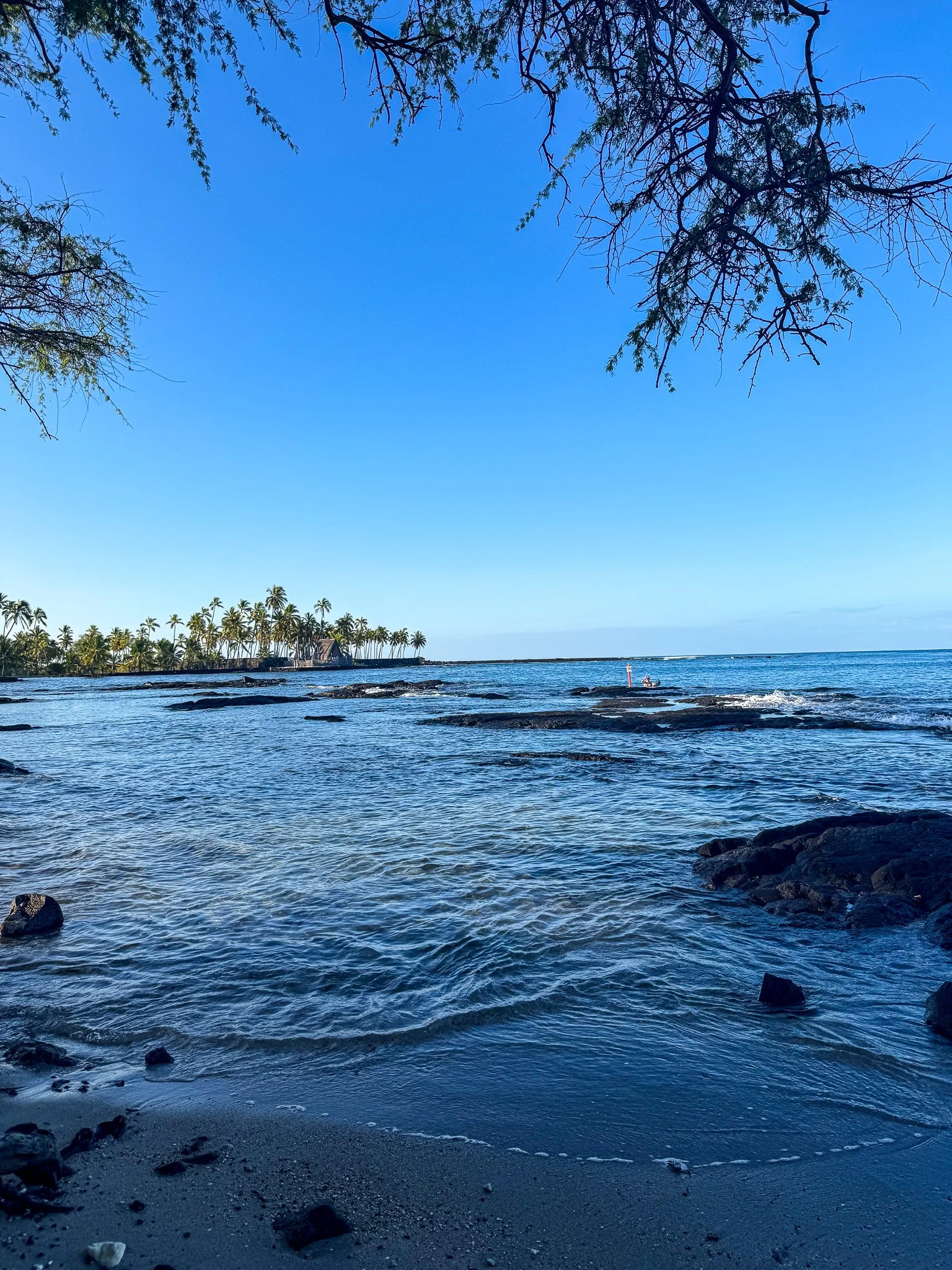
Place of Refuge seen across Honaunau Bay
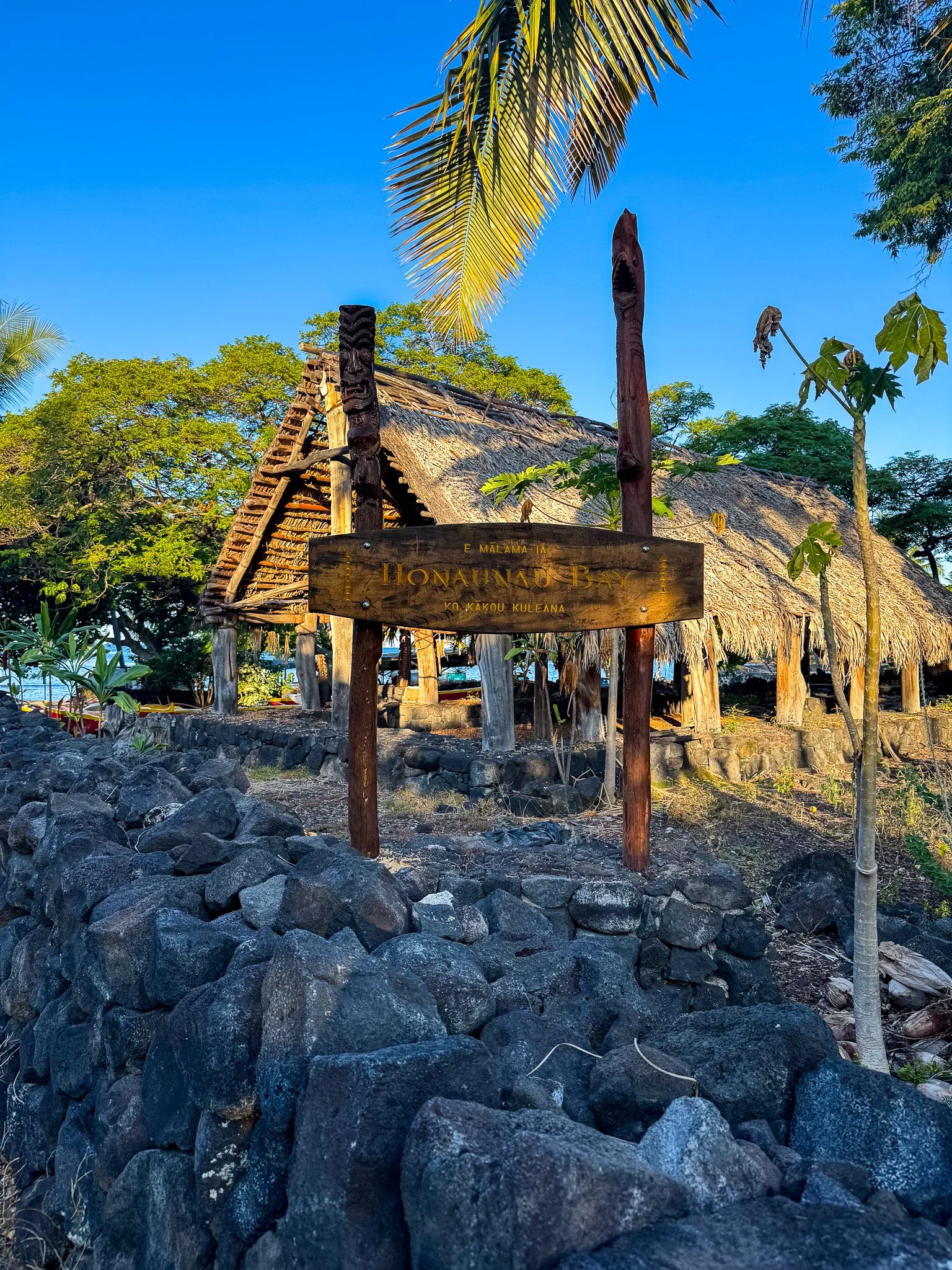
Honaunau Bay Canoe Club
🤿 Honaunau Bay / Two Step:
Located at Honaunau Bay, Two Step is named after it’s two step entry into the bay. This popular snorkeling spot is known for its abundant sea life including yellow tang, puffer fish, triggerfish and wrasse. Some visitors may also see reef sharks, spinner dolphins and manta rays. The waters close to shore are typically calm, though it does take some timing to navigate the entry and exit point as small swells crash into the lava rock. We found that areas of the reef further from shore had some strong currents to navigate which may be challenging for some.
Amenities: This public park, that is primarily intended as a boat launch, has limited amenities. There are porta-potty restrooms and a handful of picnic tables. There are no life guards on duty at Honaunau Bay.
Parking: There is free parking available along the road, just before the gates to the Pu'uhonua O Honaunau National Historical Park Visitor Center, approximately a 0.1 mi walk to the shore. OR you can park directly across the street at the church for $5, bring cash if you plan to utilize this option.
Location: Honaunau Bay is located approximately 35 minutes south of Kailua-Kona.
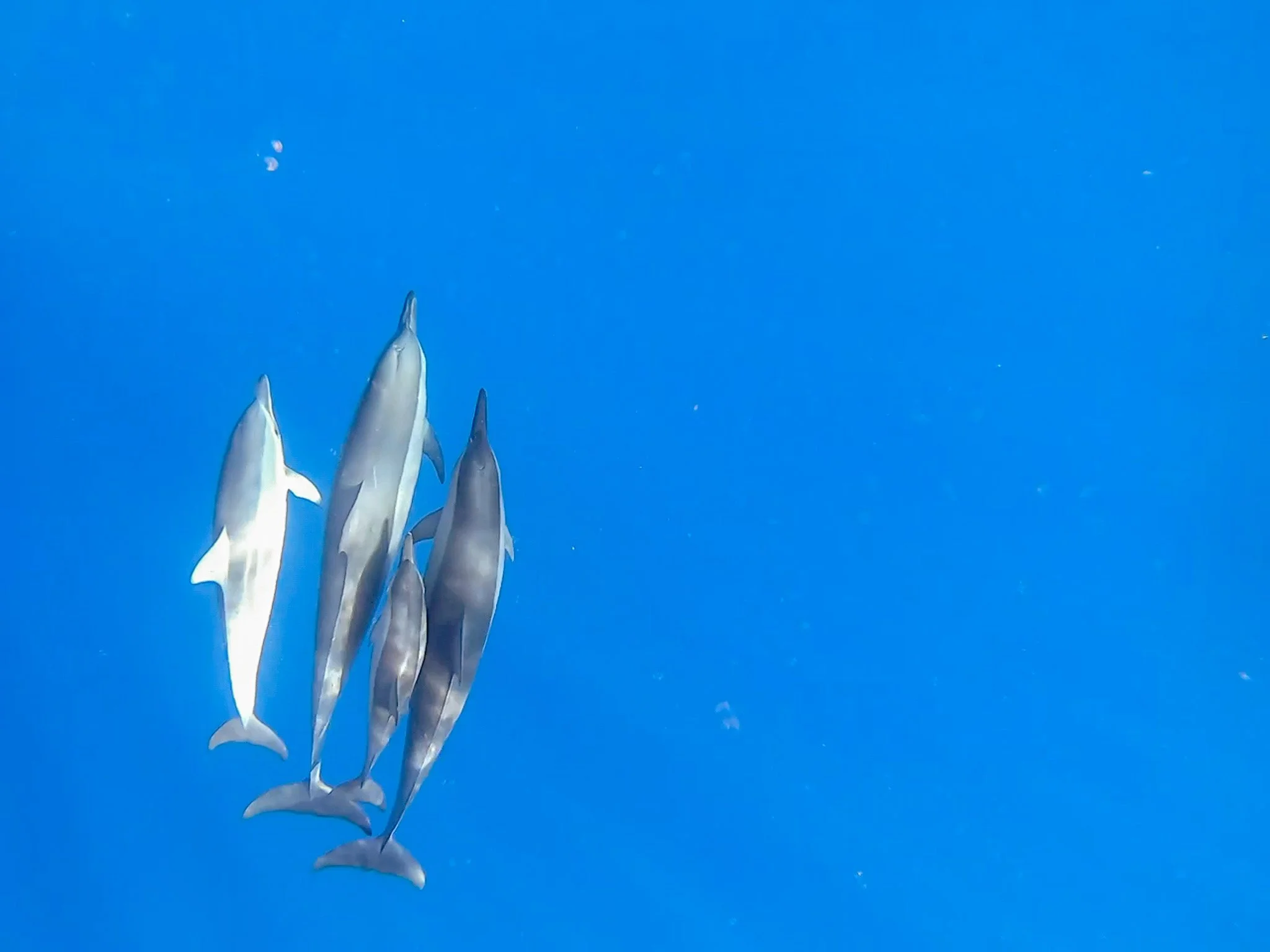
Dolphins approached us as we swam back to the reef at Honaunau Bay. We continued to swim away from them to comply with regulations, but this was an incredible sight!
🤿 Pauoa Bay:
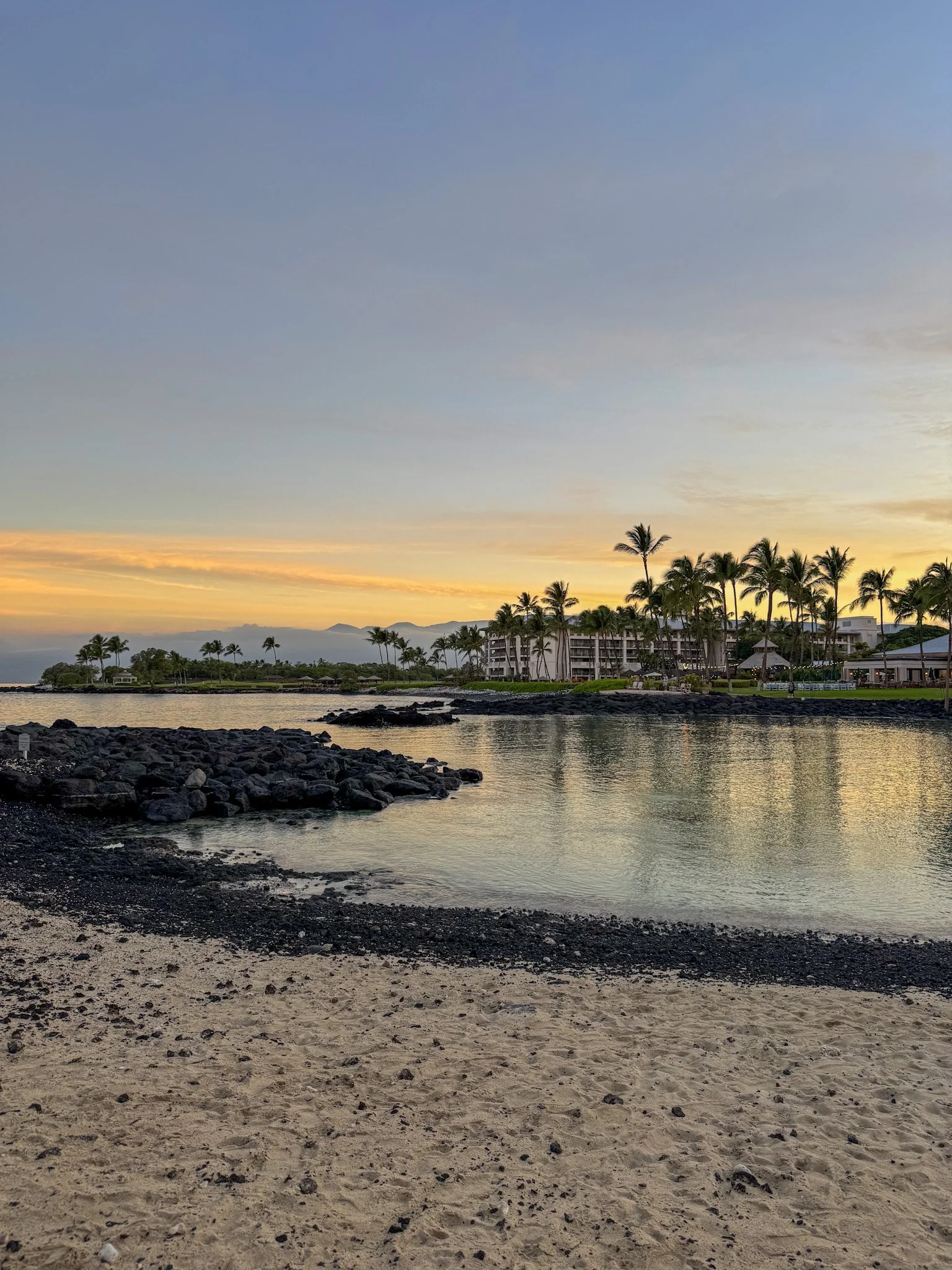
Pauoa Bay at Fairmont Orchid
Pauoa Bay is located within the Fairmont Orchid resort and offers some of the best resort snorkeling I’ve ever seen.
For those staying at the Fairmont Orchid, the daily resort fee includes 1-hour of snorkel equipment rental per day. We snorkeled every day of our stay and saw a multitude of tropical fish, eels, green sea turtles and even a spotted eagle ray.
The easy entry and shallow water of this protected bay makes it perfect for snorkelers of all skill levels and those with a more adventurous spirit can venture a bit further out to deeper water.
Amenities: Beaches in Hawaii remain open to the public, however it’s recommended that you secure a day pass if you plan to access or use resort amenities such as beach chairs or restrooms. There is an outdoor bar as well as a taco truck, but keep in mind that you will be paying resort prices for food and beverages. This bay does not have a lifeguard on duty.
Parking: For those who are not staying at the Fairmont Orchid, the bay can be accessed by parking at the nearby Holoholokai Beach Park and walking south along the shoreline trail.
Location: Pauoa Bay is located approximately 45 minutes north of Kailua-Kona.
🤿 Other Popular DIY Snorkeling Destinations
We didn't make it to all of these on our trip, but they came up consistently in our research and conversations with locals — so I'm including the key logistics to help you plan.
Kahalu’u Beach Park
Amenities: This park offers restrooms, outdoor showers and picnic tables. Additionally, there are lifeguards on duty at Kahalu’u Beach.
Parking: Ample parking is available. Non-residents are asked to pay a fee for 4-hour intervals from 7 a.m. - 7 p.m. daily.
Location: Kahalu’u Beach Park is located approximately 15 minutes south of Kailua-Kona
Magic Sands Beach
Amenities: This park offers restrooms, outdoor showers and picnic tables. Additionally, there are lifeguards on duty at Magic Sands Beach.
Parking: A large, free, parking lot is located across Ali’i Drive.
Location: Magic Sands Beach is located approximately 10 minutes south of downtown Kailua-Kona.
Honokohau Beach / a.k.a Kona Dog
Amenities: Honokohau does not offer any amenities and there are no lifeguards on duty at this snorkeling location.
Parking: Park along the lava on the left hand side or in the harbor parking lot. Either way it is a short hike down to the beach across lava rocks.
Location: Honokohau is located approximately 8 minutes north of Kailua-Kona.
We had an absolutely unforgettable time snorkeling on the Big Island, creating memories that we will be telling our friends about for years to come. I hope this Big Island snorkel guide brings you tons of inspiration for your Hawaiian vacation!
Planning your Big Island trip? Here's everything you need:
A First Timers Guide to the Big Island — where to stay, what to eat, and how to spend your time on and off the water
Where to Stay on the Big Island - A guide to the best luxury resorts and hotels, by area
Fairmont Orchid Review — a full breakdown of the resort with the best snorkeling bay on the Kohala Coast
Kona vs. Hilo — How to choose the best side of the Big Island for your next trip
Manta Night Snorkel — Is this tour worth the hype?
Reef Safe Sunscreen — My top picks for Hawaii compliant reef safe sunscreens
Want more tips, personalized recommendations and access to perks such as complimentary upgrades and spa credits?
I would love to help you book your Big Island getaway!
This post contains affiliate links. If you make a purchase using one of these links, I may receive compensation at no extra cost to you.
Hi, I’m Jess
I’m here to help you plan epic adventures. If you’re looking for authentic travel guides that mix luxe lodging and incredible dining with out of this world hikes and adventures, you’re in the right place.

My favorite petite jackets - including fleeces and rain jackets