The Complete Guide to Visiting Isle of Skye in Winter
Are you considering visiting the Isle of Skye in winter? I've been visiting Scotland since my study abroad days — my first trip landed me in Edinburgh in January, completely unprepared and completely hooked. I've been back multiple times since, including a recent trip to Skye in early March by campervan. Winter here is genuinely one of my favorite ways to travel — fewer crowds, no midges, and a stillness you simply can't find in summer. In this guide I'm sharing everything you need to know to plan a winter visit. Consider this your ultimate winter guide to the Isle of Skye.
This post contains affiliate links. I may earn a small commission if you shop through them, at no extra cost to you.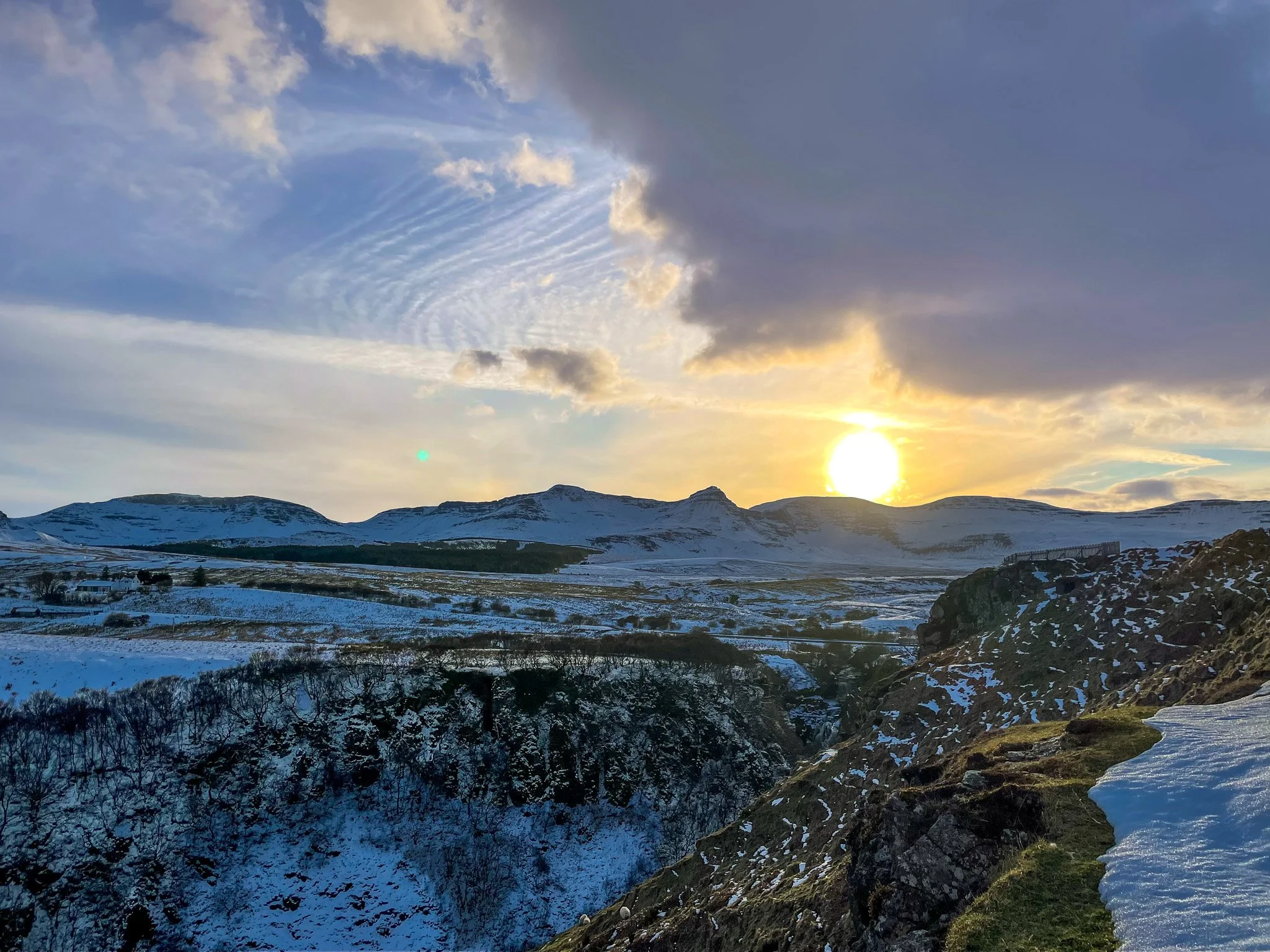
Portree
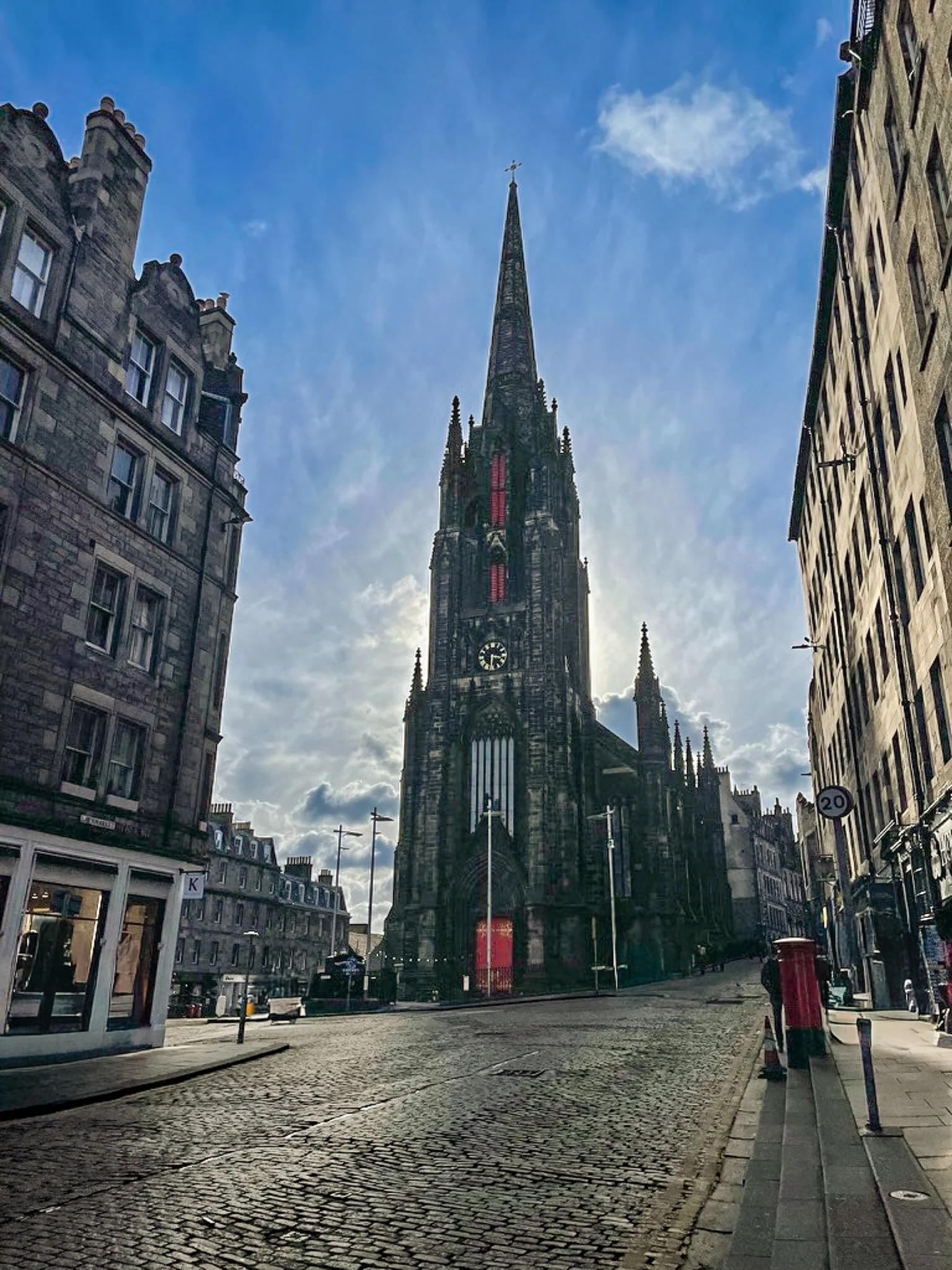
I guess you could say I really have a thing for Scotland in the winter. My first time visiting, as a study abroad student, I landed in Edinburgh smack dab in the middle of January. At 20, I definitely didn’t do my research to fully realize what I’d signed myself up for winter-wise other than the constant reminder from everyone back home that I was in for a lot of rain.
It turns out they weren’t totally wrong, but it wasn’t nearly as bad as it’s made out to be and I was treated to a few snowfalls that made Edinburgh somehow even more dreamy. Winter in Scotland isn’t for everyone - if you’re looking for a warm, sunny getaway you’ll want to look elsewhere. But, for those that are happy to embrace the chill in the air and explore despite (potentially) snowy ground underfoot, Scotland in the winter is beautiful.
Our Experience on Isle of Skye in Winter
On our last trip to Scotland, we made the bold choice to book for the first week of March. The decision was based on what most other travelers consider when booking a vacation - flight costs, schedule conflicts (or lack thereof) and weather. We knew going in that the weather could swing either way - blessing us with a glimpse at early spring with mild temps and sunnier days or clinging on to the last bits of winter.
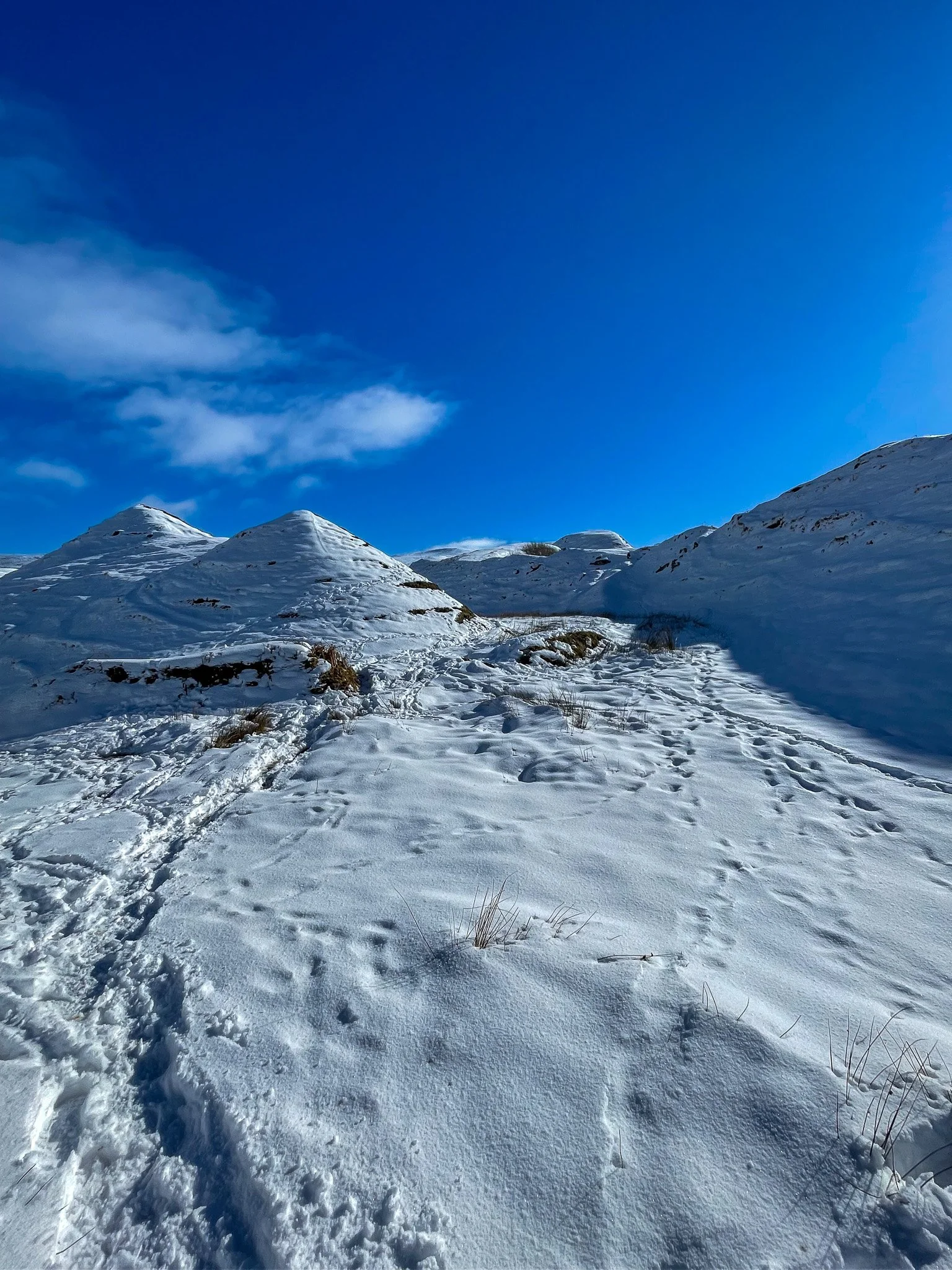
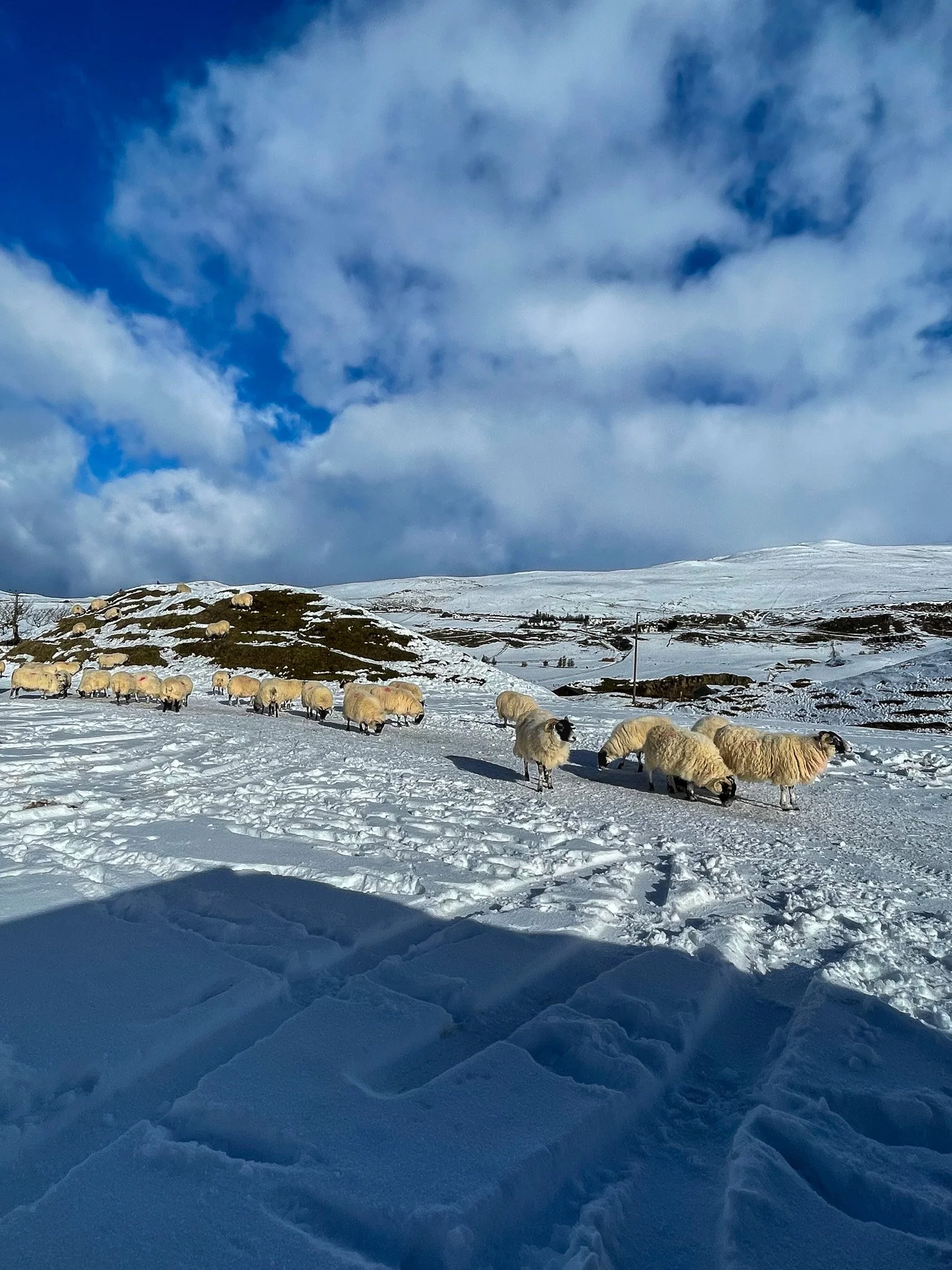
We mostly experienced the latter - cold temps topping out in the 40’s (F°) during the day and dipping into the 20’s at night along with snow showers bookending our time in the Highlands. Lucky for us, we were granted mostly sunny skies our entire time on Skye and found plenty of places to explore and even romp around in the snow. It certainly provides a different experience than visiting in the warmer months - trading the iconic lush, green scenery and crowds for the quiet peace that only a fresh snowfall can bring.
What to Expect on the Isle of Skye in Winter
On our last trip to Scotland, we went against the grain and visited in the last bits of winter. It meant less crowds and no midges but there were certainly some trade offs. These are the best tips and hints about visiting Skye during the winter months.
Skye doesn’t have bears but the locals may be in hibernation
The Isle of Skye is very quiet in the winter months with far fewer tourists visiting the island in the off-season. With shorter days, and less visitors the locals also tend to hibernate during this time. So, what does that mean for you? It means that bars, restaurants, hotels and campgrounds are more likely to be closed or have limited hours and you’ll be more limited on where you can go.
Before booking your trip, research what pubs, restaurants and hotels will be open during your stay to avoid being disappointed or worse - hours away from the closest place to grab a bite or stay for the night with no back up plan.
Prepare for the weather… but don’t trust the forecast
As one of Scotland’s most famous comedians, Billy Connolly, has said, “There's no such thing as bad weather, just the wrong clothing, so get yourself a sexy raincoat and live a little.”
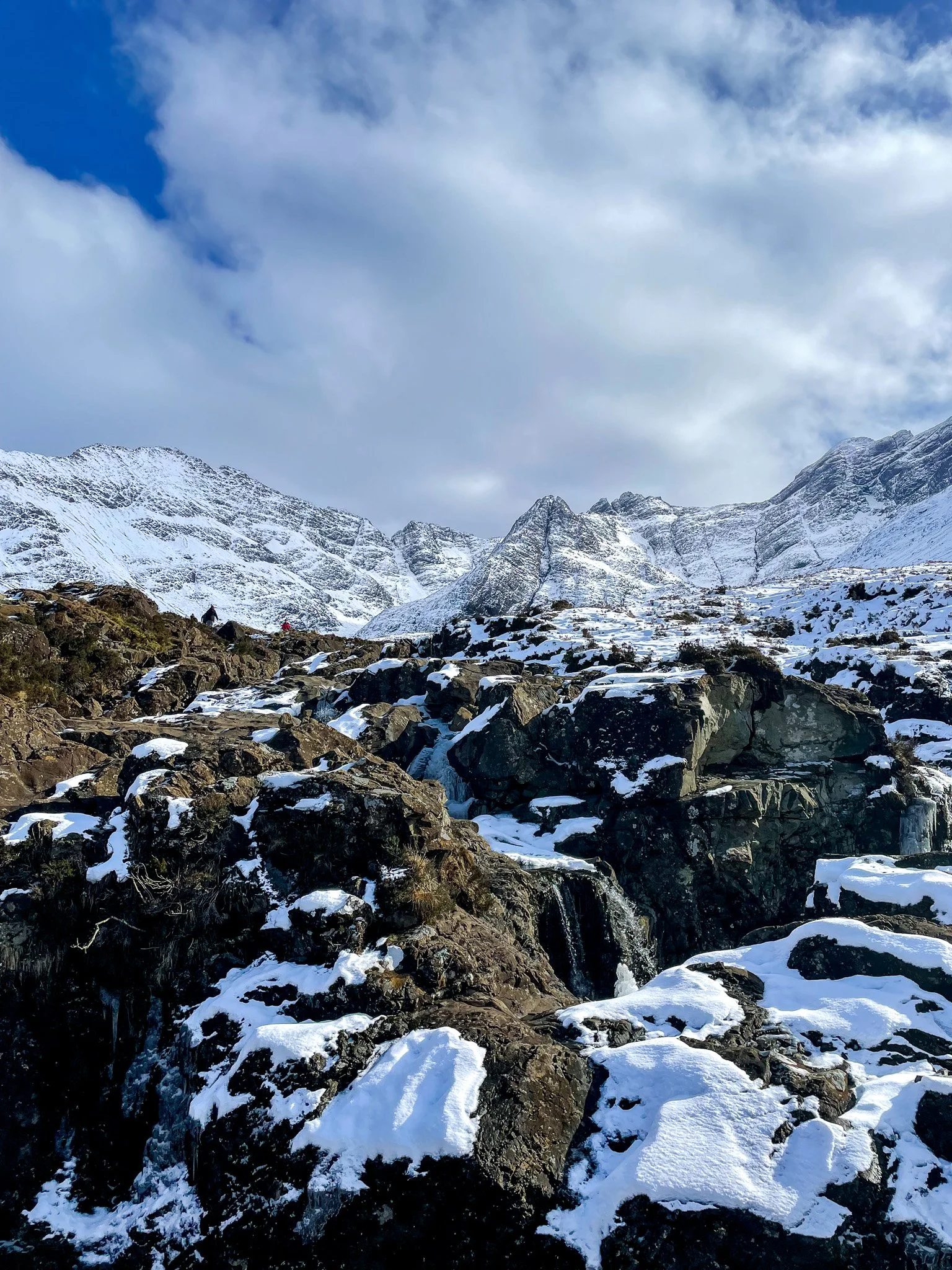
Weather on the Isle of Skye can be finicky - sunny and beautiful one minute and pouring cold rain the next. This can be the case with weather warnings for wind, rain and snow - but don’t let it totally derail your trip.
You can expect boggy, marshy and even snowy or icy conditions underfoot when visiting some of the Skye’s most popular sights. For warmth and comfort, I would recommend packing appropriate clothing - a good pair of waterproof hiking boots to keep your feet dry paired with removable crampons such as Yak-Trax for added traction. A good pair of waterproof pants and a rain jacket or waterproof outer shell will also go a long way to keep you comfortable and exploring despite the wet weather.
Parking on the Isle of Skye
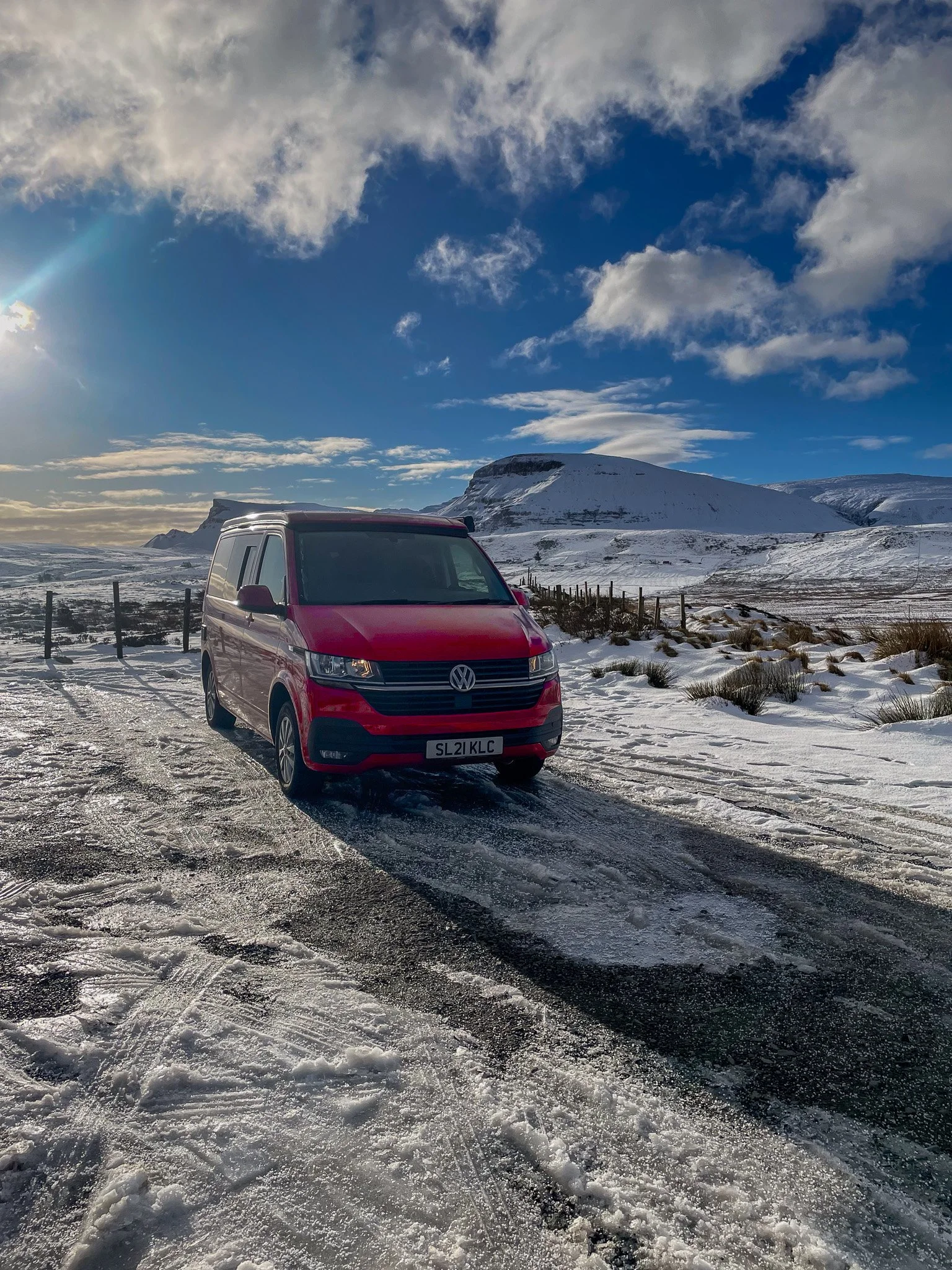
Because there are far fewer people on the Isle of Skye during the winter months, the roads are much quieter (perhaps a total win if you are not used to driving on the left side of the road!) and there was ample parking available everywhere we visited.
To help pay for improvement projects to maintain safety and protect the environment, Isle of Skye has implemented parking machines at some of the more popular tourist destinations including Old Man of Storr, the Quiraing, and Fairy Pools. Parking is not free in the off season, expect to pay £3 + for parking at these popular destinations.
Winter Driving Conditions on the Isle of Skye
The Isle of Skye experiences rain and snow in the winter months - and with low temperatures, this can lead to icy roads. Due to how remote some of the roadways are, they will not all be treated to prevent freezing - and in some cases may be fully closed.
It is up to you to drive carefully and use your best judgement for maintaining safety in these conditions.
It’s important keep your plans flexible should you encounter these conditions. During our trip, the road accessing the Quiraing was partially closed - we ended up striking that hike from our itinerary and visited other sites instead.
Accommodation Tips: What's Open (and What's Not)
Before booking anything, verify what is actually open during your travel dates — this sounds obvious but Skye in winter will surprise you. We're not just talking campgrounds; smaller hotels, guesthouses, and many restaurants have seasonal closures that don't always show up prominently on booking sites. A quick call or email before you commit can save a headache.
Inns & Hotels
Don't assume winter means last-minute availability. Skye is a popular destination year-round and the properties that do stay open often fill up, especially on weekends. Book accommodation earlier than you think you need to.
If you're flexible on location, basing yourself in or near Portree gives you the best chance of having dining and amenities within reach on evenings when the weather shuts everything else down.
Camping
If you plan to camp on the Isle of Skye in the winter, be aware that most campgrounds and holiday parks close in September or October for the winter season. This means, you’ll need to plan wild camp instead. Wild camping spots are plentiful, and with fewer crowds finding a location with spots available will not be a struggle. Apps like Park4Night (similar to iOverlander for those used to campervanning in the US) are great for helping you find somewhere to camp for the night as well as other amenities such as public restrooms and showers.
If you plan to pitch a tent, be mindful that wet conditions in the winter months may mean soggy ground.
Be prepared for possible high winds and cold temps and pack accordingly! We experienced lows in the 20’s(F) even in early March - that meant sleeping with 2 quilts, cotton sweatsuits and a knit cap to keep warm in the campervan each night.
Something else to keep in mind as you plan your winter camping trip - the sun sets very early on the Isle of Skye in winter. Take this into account as you plan your days to ensure you have ample time to find your camp site before dark.
Scotland’s Midges
One of the best things about visiting the Isle of Skye in winter (other than feeling like you have the island all to your self) is NO MIDGES!
During the summer months, the Scottish highlands come alive with these flying, mosquito-like insects. If you’re not prepared, they could totally ruin a trip - BUT if you visit between October and April you need not worry. Midges can’t survive the cooler temps making winter the perfect time to get out and explore the highlands, no midge-nets needed.
Daylight on the Isle of Skye
The Isle of Skye is located pretty far north - think similar latitude to parts of Alaska - so daylight hours vary drastically between summer and winter. In the winter months, daylight hours are very short, rising at approximately 9 am and setting around 3:30 pm on the Winter Solstice. This will play a big part as you plan your trip as you’ll need to keep in mind that you do not have nearly as many daylight hours to see sights as you would in the summer months (sunrise around 4:30 am / sunset around 10:30 pm).
If you love a good sunrise or sunset - there are many wonderful places on the Isle of Skye to catch these - the bonus in the winter months is that you don’t have to get up crazy early to see it.
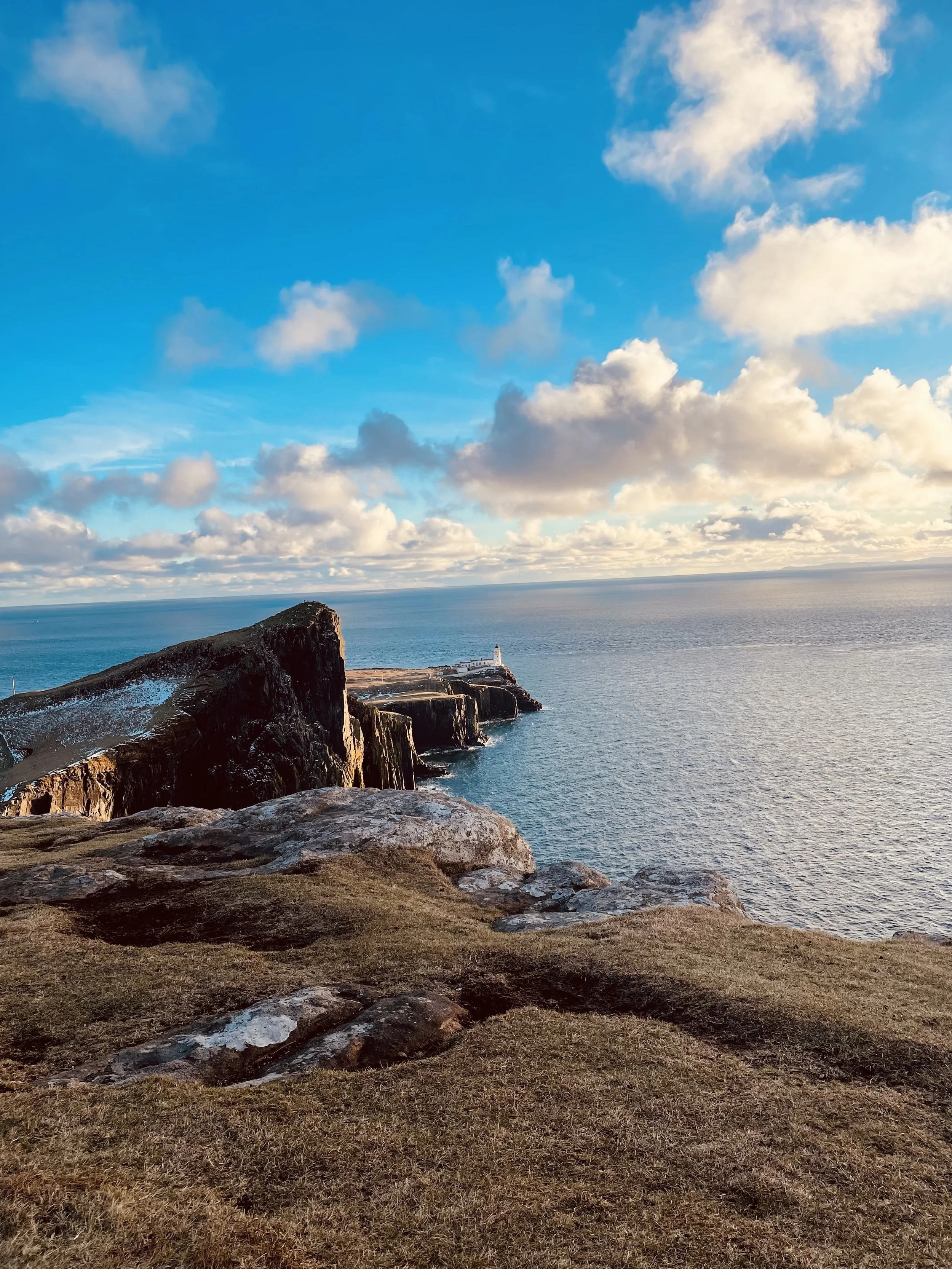
Neist Point at golden hour — one of the advantages of a 3:30pm sunset is that you don't have to stay up late to catch it
What to Do on Isle of Skye in Winter:
Wild Swims:
For the truly adventurous, wild swims are a thing even in winter. Pack a warm robe if this is your thing. For everyone else, it's a great thing to watch someone else do.
Stargazing:
Winter is also one of the better times to catch the northern lights on Skye — the island's low light pollution and clear winter nights (when you get them) make for ideal conditions. Even if you don't catch the aurora, the skies are dark enough to see the Milky Way on clear evenings, which is something you simply can't experience in most of the UK.
Boat Trips:
Some operators run boat trips year-round for wildlife watching, though availability is reduced in winter — check in advance.
Salmon Smokehouse Experience:
For foodies, this is a MUST! Isle of Skye Smokehouse offering bespoke tours and tastings of hot and cold smoked, local salmon. This is by far one of my most favorite food experiences I’ve ever had. Reservations are needed in advance.
See the iconic sights:
The Isle of Sky is known for its dramatic landscapes - so, what are those like in winter? Here's what we actually experienced:
Kilt Rock & Mealt Falls: We found the pathway to the lookout to be incredibly icy on our visit. As it follows along the sea cliff, we opted not to try it even with crampons.
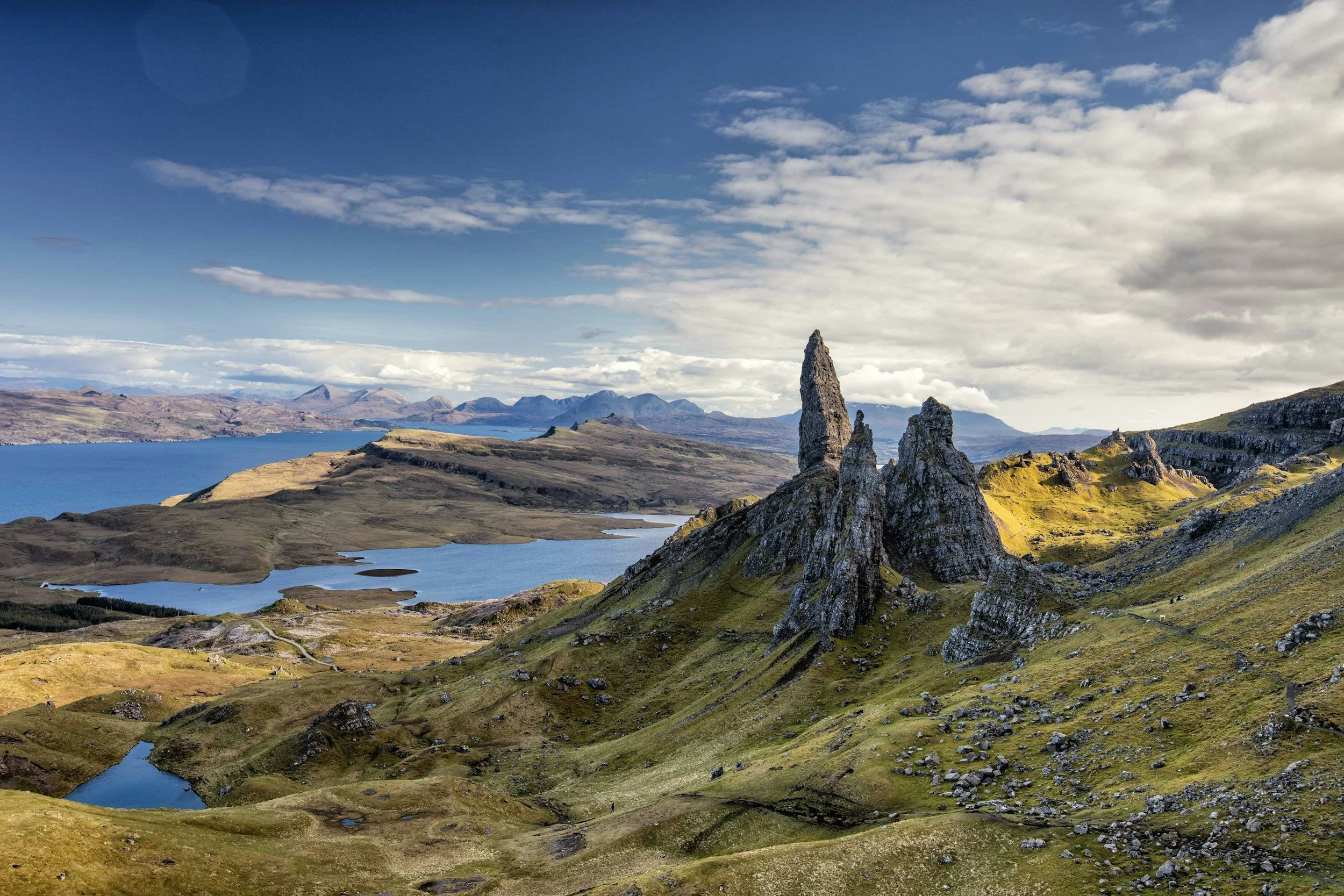
Old Man of Storr - A thick finger of volcanic basalt rock that rises out of the mountains was completely snow covered on our visit. We basically had this to ourselves which was really lovely. We wore appropriate waterproof shoes, gators and pants for hiking in the snow and loved every second.
Fairy Glen - When we arrived, it was completely covered in about 6-inches of snow. While it was a whimsical winter wonderland, missed out on the spiral landscapes that are part of what this place so magical.
Neist Point - Sunset in the winter light made for incredible photos that rival any screen saver you've seen of this site.
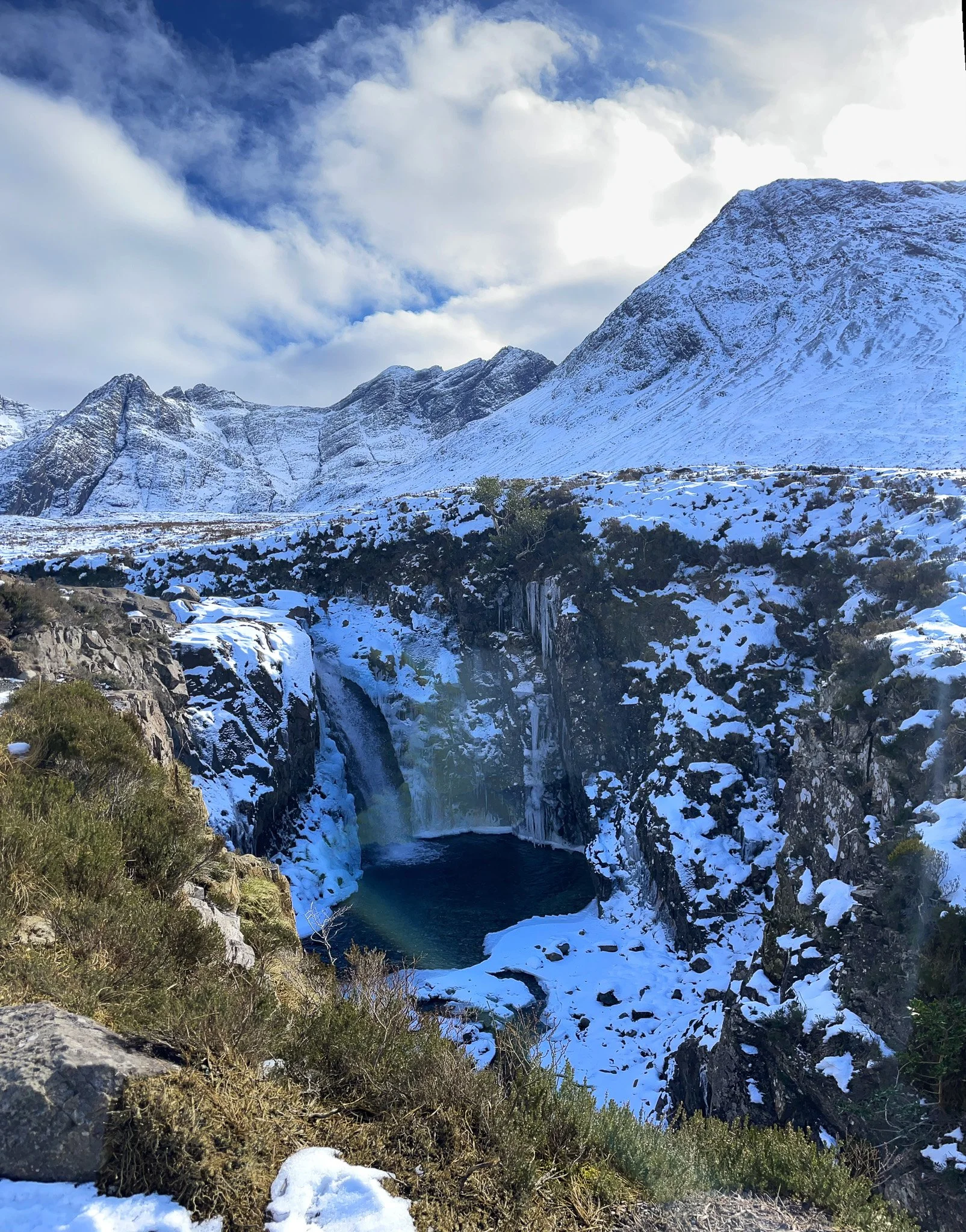
Fairy Pools - I loved seeing these with snow covered Cuillin Mountains rising in the background.
Quariang - due to the snow and ice, the roadway to access this site was not open, we pivoted to other hikes at lower elevations.
Dunvegan Castle operates seasonally and is closed Nov-March, so we weren’t able to visit.
Other walks: We really enjoyed Coral Beach and Talisker Bay - both were clear of snow but muddy in spots.
Where to Eat & Drink in Winter:
One place that stays reliably open year-round is Talisker Distillery — Scotland's oldest working distillery on Skye, and an excellent way to spend a couple of hours on a rainy afternoon. Tours run regularly and include a dram. I'm not a drinker, but this is a must for anyone who enjoys a spot of Scotch.
On the dining front, The Three Chimneys near Dunvegan is one of Skye's most celebrated restaurants and does operate in winter — but book well in advance, as seatings are limited and it fills up even in the off-season. I loved that it felt like you were stepping into someones cozy cottage for a meal on a cold winter day. Service was excellent and the food was amazing.
What to Pack for a Winter Trip to the Isle of Skye
No matter what time of year you visit Scotland there is one item you MUST pack: a good waterproof rain jacket. Other must have items include:
Waterpoof boots - I like to have a pair of hiking boots & a pair that is more “street wear” like Blundstones
Wool hat
Base layers - these should either be wool (merino is a great option) or a synthetic with moisture wicking properties
Wool Socks - I love my Darn Tough socks for wearing during the day and a cozy knit pair for sleeping
A warm coat
Water bottle
Camera
Where to Stay on the Isle of Skye in Winter
We explored Skye by campervan on our trip, so I can't speak to the hotels from personal experience — but before we committed to the van, I did a deep dive into what was actually open in winter (more closures than you'd expect). The options below all operate year-round, which is the first filter I'd apply before falling in love with anything on a booking site. If you're looking for something with more character than a chain hotel, Skye's smaller inns are the perfect place to cozy up with a good book after a long day out in the cold. These tend to book up even in the off-season — so don't assume winter means last-minute availability is a given.
More Isle of Skye & Scotland planning guides:
Isle of Skye 3-Day Itinerary — the best way to structure your time on the island, whatever the season
Most Unique Places to Stay on Isle of Skye — standout accommodation options, including picks that are open year-round
One Week Scotland Road Trip — how to combine Skye with the broader Highlands for a full Scottish adventure
What to Pack for Scotland - A complete packing list
Isle of Skye FAQs
-
The short answer is ABSOLUTELY! If videos of the crazy summer crowds are making you question if visiting is right for you, winter may be the perfect opportunity to see this stunning location without navigating the hordes of tourists that descend on the island each year.
-
Weather, crowds and daylight hours on the Isle of Skye vary wildly by times of year. Use this as a quick reference to help determine the best time for your visit.
Spring & Fall: Late spring (April–May) and early fall (Sept–Oct) are the sweet spots. The weather is more favorable and the lack of midges and crowds are a massive bonus.
Summer: June-August is a beautiful time to visit but expect there to be significant crowds in the most popular tourist areas.
Winter: To avoid the most crowds, winter is the perfect time to visit - just be prepared for the weather, fewer amenities and to be flexible with your plans.
-
Yes! It’s most common to see snow in December-February, though we even experienced it in early March.
-
The Isle of Skye is considered part of the Inner Hebrides - an archipelago along the west coast of Scotland. Most visitors to the Isle of Skye will arrive via the Skye Bridge which spans Loch Alsh between Kyleakin and the village of Kyle of Lochalsh on mainland (can we call it that since it’s also part of an island?) Scotland.
Want more tips, personalized recommendations and access to perks such as complimentary upgrades and spa credits?
I would love to help you book your Isle of Skye getaway!
This post contains affiliate links. I may earn a small commission if you shop through them, at no extra cost to you.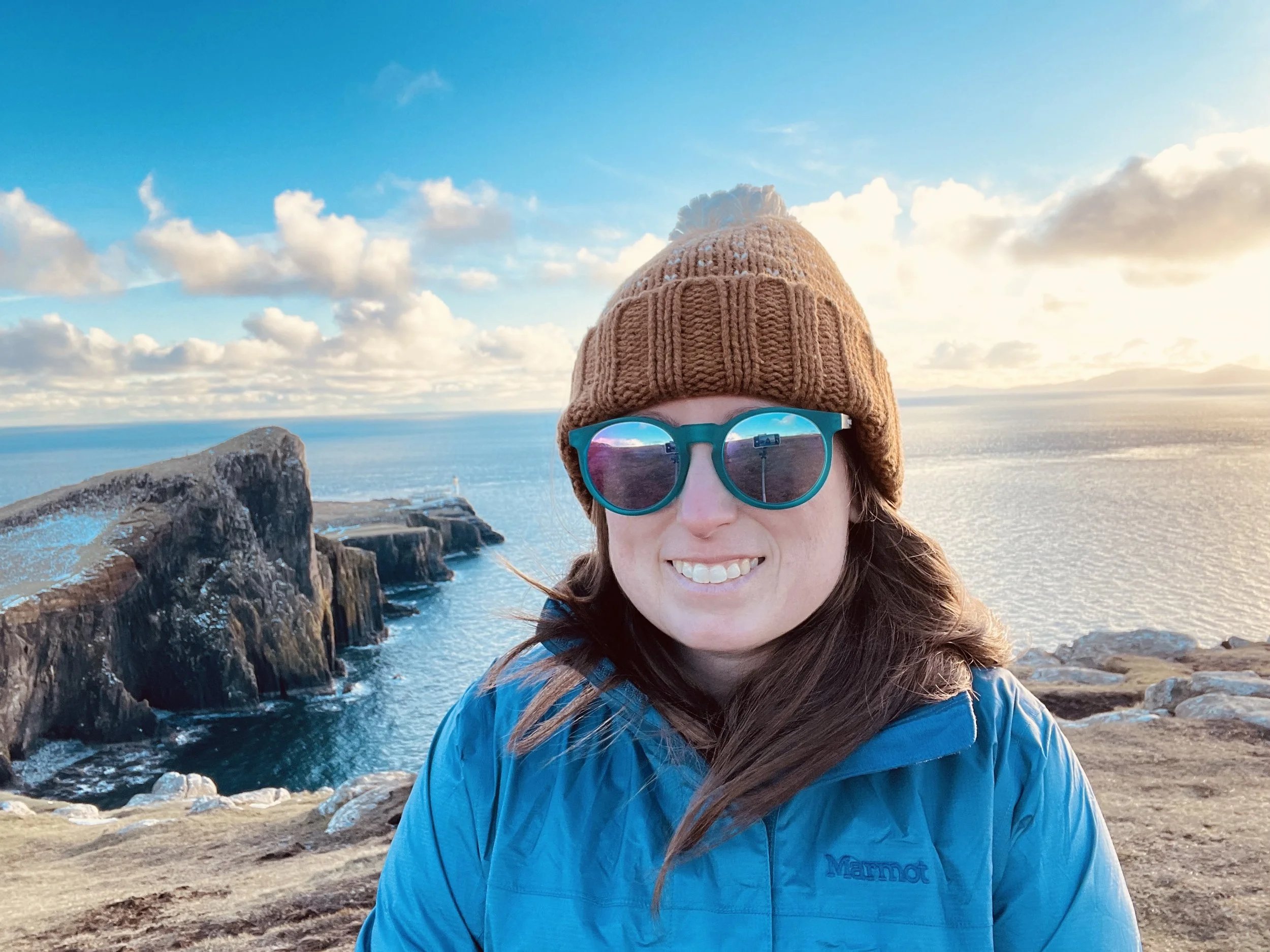
Hi, I’m Jess
I’m here to help you plan epic adventures. If you’re looking for authentic travel guides that mix luxe lodging and incredible dining with out of this world hikes and adventures, you’re in the right place.


My favorite petite jackets - including fleeces and rain jackets