Kona Manta Ray Night Snorkel Review: Is It Worth It?
Swimming with manta rays on the Kona Coast is one of the most unforgettable experiences in all of Hawaii — and after doing it ourselves, we can tell you exactly what to expect, how to book it, and why it absolutely deserves a spot on your Big Island itinerary.
This post contains affiliate links. I may earn a small commission if you book through them, at no extra cost to you.
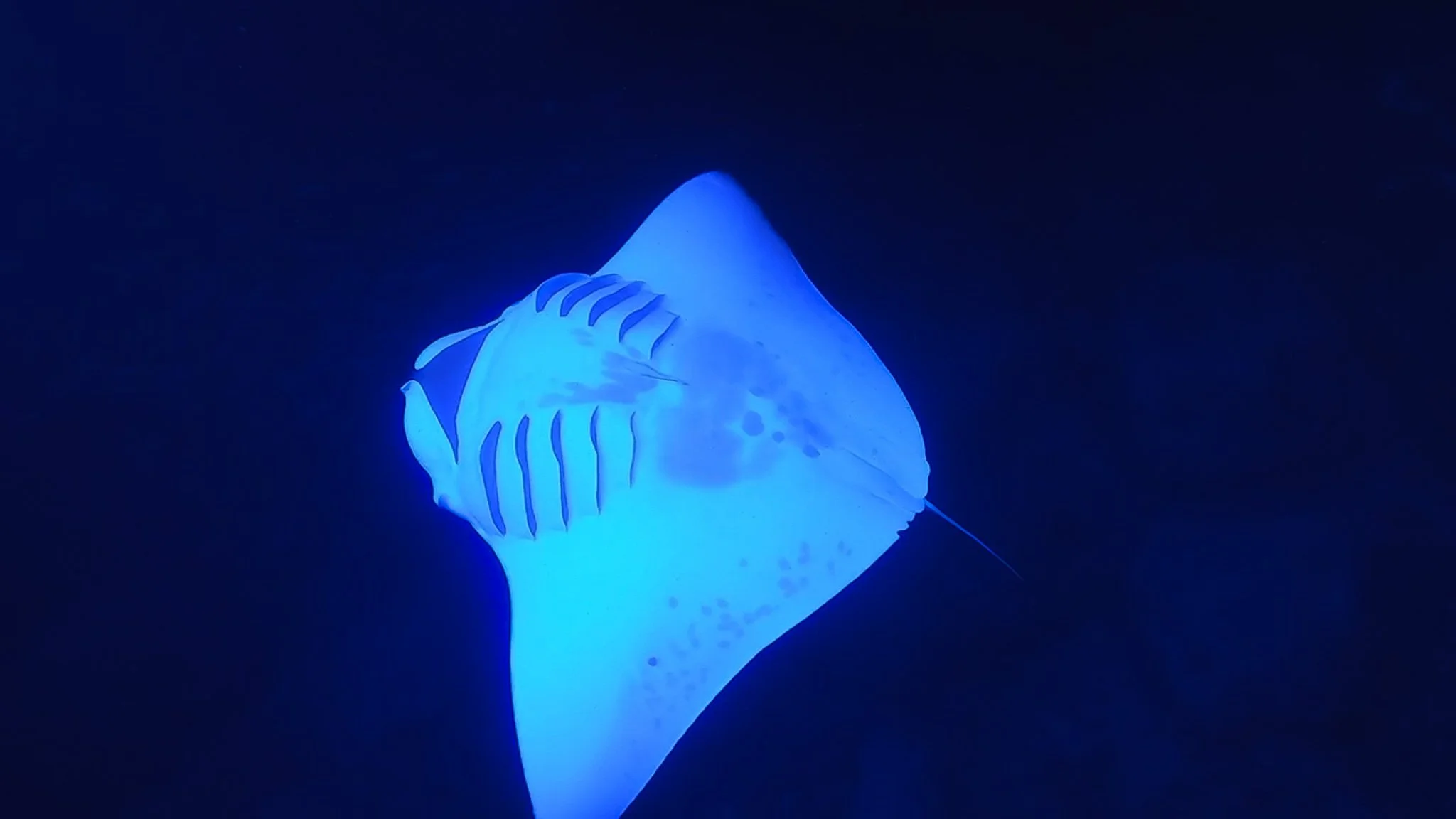
What is Manta Village — And how did it start?
The story of Manta Village begins in the 1970s, when the Kona Surf Hotel started illuminating the ocean so guests could enjoy views of the water. Those lights attracted plankton — and the plankton attracted giant manta rays, which feed on it near the surface. What started as a happy accident has become one of the most iconic marine life encounters in the Pacific.
Today, tour operators use customized light boards with high-powered lights to replicate that same effect. The lights concentrate plankton, which draws the mantas in close — sometimes within just a few inches of snorkelers floating at the surface.
What are the mantas actually like?
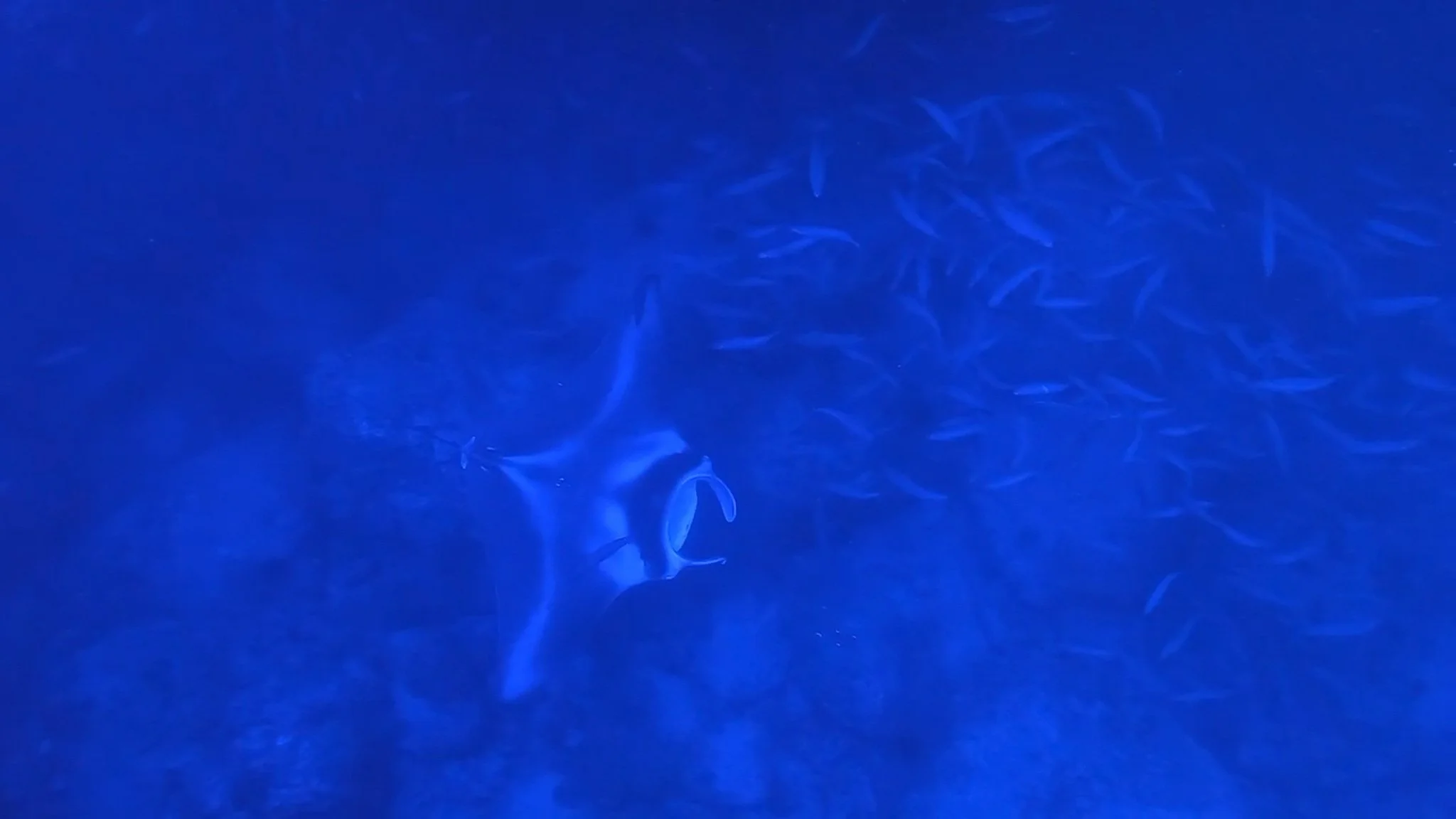
The Kona Coast is home to over 300 individual manta rays, and the giant manta sightings at Keahou Bay are nothing short of spectacular. Manta ray wingspans regularly reach 10 to 14 feet, and watching them barrel roll through plankton clouds just beneath you is surreal. These gentle giants are graceful, curious, and entirely harmless — no stingers, no aggression.
The best manta ray encounters happen when ocean conditions are calm and the plankton bloom is dense — both of which are common on the sheltered leeward side of the island where Manta Village sits. Some things that can impact sightings include weather conditions like heavy rains and strong storms or wind that churn up the ocean.
After your tour, check out the Manta Ray ID Project to see if you can identify any of the individual rays you saw by their unique belly spot patterns.
How To Choose a Snorkeling Tour
There's no shortage of tour operators running Kona snorkel trips, so we narrowed our options down using a few key criteria. We booked with Fair Wind Cruises and would do it again without hesitation. Here's the criteria we used to select our tour operator:
1. Proximity to Manta Village — great for motion sickness
Fair Wind launches from Keauhou Bay, just a 5-minute boat ride from the manta ray encounter site. A shorter ride means less time on open water — a big win if you're prone to motion sickness.
2. Boat size
Fair Wind uses a large motorized catamaran for the manta ray night snorkel tour. A larger, more stable boat is better for guests prone to motion sickness. Other operators use everything from larger fishing-style motorboats to small zodiacs and even paddleboards.
3. Snorkel gear + shorty wetsuits included
All snorkel gear is provided, plus shorty wetsuits — sleeves to the elbow, legs to the knee. Kona waters are warm, but floating with minimal movement for 30+ minutes with cool night air on your back will chill you down fast. The wetsuits make a real difference.
4. Certified sustainable tourism
Fair Wind has been Sustainable Tourism Certified by the Sustainable Tourism Association of Hawaii since 2014. When you're interacting with wild animals in their natural environment, choosing a responsible operator matters.
5. High success rate + full refund policy
With 300+ mantas calling Keahou Bay home, manta ray sightings here are nearly guaranteed — but verify your operator's cancellation and full refund policy in case of poor ocean conditions or weather. Most operators offer an opportunity to reschedule for a later date (based on availability) if you don't see a manta.
While it wasn't part of our selection criteria, Fair Wind also includes hot chocolate and soup to help you warm up once you get out of the water. A nice touch!
⚠ You must go with a tour operator — no exceptions. Between the darkness and the heavy boat traffic at this popular destination, attempting a DIY manta ray swim is dangerous.
What To Expect On The Water
Once your boat anchors at Manta Village, the crew deploys the light boards using an underwater mooring system while other crew members brief the group on safety and the manta rays themselves.
Then you'll hop into the ocean with your mask, snorkel, and a noodle-like flotation device. Your hands hold on to the light board while the noodle keeps your feet afloat. Then you wait for the show below — the mantas are wild animals in their natural environment. While tour operators create optimized conditions to encourage the mantas to arrive on their own accord, there is no baiting.
The experience is suitable for all skill levels. You don't need to be a strong swimmer — free swimming is not required, but you will need to feel comfortable jumping into the open ocean after dark. The group stays together near the boat throughout the manta ray tour.
Plan on about 45 minutes in the water. The longer you're out there, the more mantas tend to show up as the plankton concentrates around the light boards. That said, no one was forcing guests to stay in the water during our tour — others hopped out when they were ready. Personally, I couldn't get enough and would have stayed all night if they let me.
Pro tip: Our tour had guests enter the water one at a time, working their way to the furthest open spot on the board — so the first one in was the last one out. We were among the first in the water, which gave us just a little extra time with the mantas.
Practical Details:
Getting There
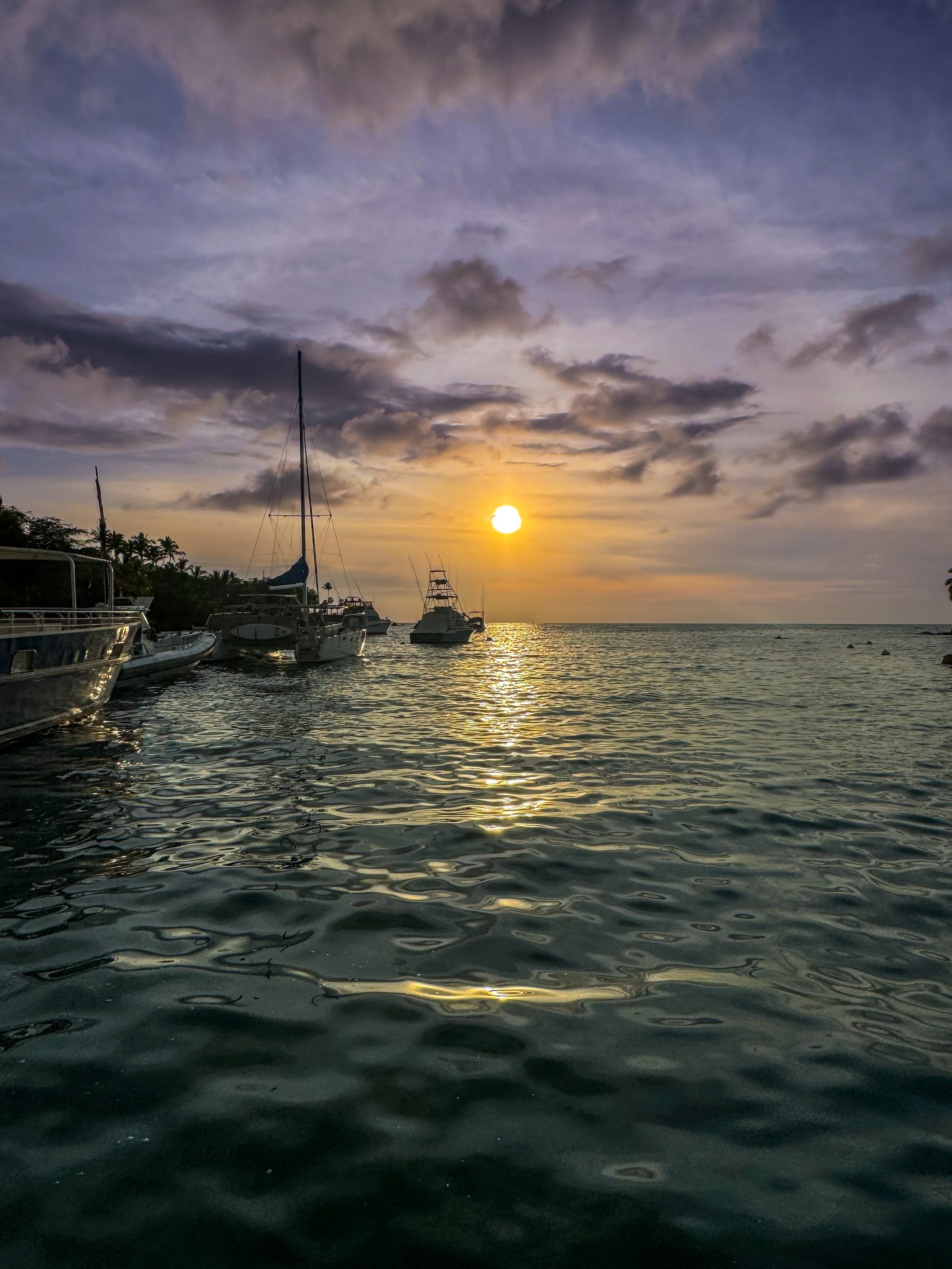
Keahou Bay is located approximately 15 minutes south of Kailua-Kona, and is the closest launch point to Manta Village — making it the shortest boat ride to the encounter site at around 5 minutes. Most tours departing from Keauhou Bay check in around sunset, with parking available near the bay.
That said, not all Kona snorkel tours launch from Keauhou Bay. Some operators depart from Honokohau Harbor, located just north of Kailua-Kona — a convenient option if you're staying in or near downtown Kona, since it may be closer to your accommodations. The tradeoff is a longer boat ride out to the manta viewing site, which is worth factoring in if you're prone to motion sickness.
A smaller number of operators also launch from the Kona Marina area. As with Honokohau Harbor, these departures tend to involve more time on the water each way. When comparing tours, it's worth checking the departure location alongside the price — the experience at Manta Village is the same regardless of where you board, but the ride there varies considerably.
Ocean conditions can occasionally cause last-minute cancellations regardless of which operator you book with, so plan your manta ray night snorkel for early in your trip. That way, if you need to reschedule, you'll still have time to make it happen before you leave the Big Island.
What to Bring
Wear your swimsuit under your clothes for easy gearing up. Bring a towel, a change of warm clothes for after, and reef-safe sunscreen if you're spending time on deck before the swim. Leave the bright lights and underwater flash photography at home — flash disturbs the mantas and is prohibited on most tours. Your operator will provide all snorkel gear; just show up ready to be amazed.
The Verdict: One of the Best Experiences on the Big Island
The manta ray night snorkel is not a tourist gimmick — it's an unforgettable experience that you simply cannot replicate anywhere else. The combination of open ocean, the surreal darkness beyond where the light can reach, and those enormous, gliding mantas makes for an experience that sticks with you long after you leave Hawaii.
Whether it's your first time snorkeling or your fiftieth, this is one of the best experiences the Big Island has to offer. Do not leave Kona without doing this.
Manta Night Snorkel FAQs
Is there a minimum age for the manta ray night snorkel?
Most operators set a minimum age of around 5–7 years old, though requirements vary by company. Children must be comfortable in the water and able to follow safety instructions. The experience is generally suitable for older kids and families — the mantas are harmless and the group stays close to the boat throughout. Check with your tour operator for their specific requirements.
Do I need to be a good swimmer? What if I have neck issues?
Strong swimming ability is not required, but previous snorkeling experience is highly recommended (and required by some operators). Snorkelers hold onto a flotation board for the duration of the encounter, so free swimming is minimal. That said, if you have neck issues or difficulty keeping your face in the water for extended periods, mention this to your preferred operator before booking. Some tours offer alternative flotation setups that reduce neck strain.
Can you scuba dive with the manta rays?
Yes, a manta ray night dive is available to certified scuba divers. Check with a local PADI- or SSI-certified dive center in Kona for scheduling and availability.
Are there other manta ray viewing sites on the Big Island of Hawaii?
Manta Village at Keahou Bay is the most reliable and most visited viewing site, but it's not the only one. Garden Eel Cove near Honokohau Harbor (sometimes called "Manta Heaven") is another popular viewing site — it draws a different subset of the local manta population and is often used by operators launching from the Kona Marina area. Both sites are on the protected leeward side of the island, which helps keep ocean conditions favorable.
How much does the manta ray night snorkel cost?
Prices typically range from $90–$130 per person for a snorkel tour, with scuba options running higher. The captain and crew work hard to make the experience great, so tipping your guide is very much appreciated. Book in advance — tours fill up quickly, especially during peak travel season. Check whether your operator offers a full refund or reschedule option in the event of poor ocean conditions and/or no manta sightings.
Is this experience safe for people with health concerns?
Most operators ask guests to disclose any relevant health conditions during the booking process. Good health and basic comfort in the ocean are generally the main requirements. If you have cardiovascular concerns, recent injuries, or severe anxiety around open water, consult your doctor before booking and contact the operator to discuss their safety procedures. The experience itself is low-intensity — you're floating, not exerting.
What should I bring?
Swimsuit
Towel
Change of warm close
Reef-Safe sunscreen if you will be on deck before sunset
Go-Pro or other flash less camera
Snorkel gear (if you have your own)
Hi, I’m Jess
I’m here to help you plan epic adventures. If you’re looking for authentic travel guides that mix luxe lodging and incredible dining with out of this world hikes and adventures, you’re in the right place.




Your complete guide to the best time to visit the Isle of Skye