Kona vs. Hilo: Which Side of the Big Island Is Best?
One of the first decisions you'll make when planning a trip to the Big Island of Hawaii is also one of the most important: which side of the island do you stay on? Kona or Hilo? They're on the same island, but they feel like entirely different destinations — different climates, different vibes, different things to do, and very different accommodations options. This is one of the most common questions I get as a travel advisor, and the answer depends almost entirely on what kind of trip you want to have. Here's how to figure out which one is right for your Big Island vacation.
This post contains affiliate links. I may earn a small commission if you book through them, at no extra cost to you.
The TLDR Answer
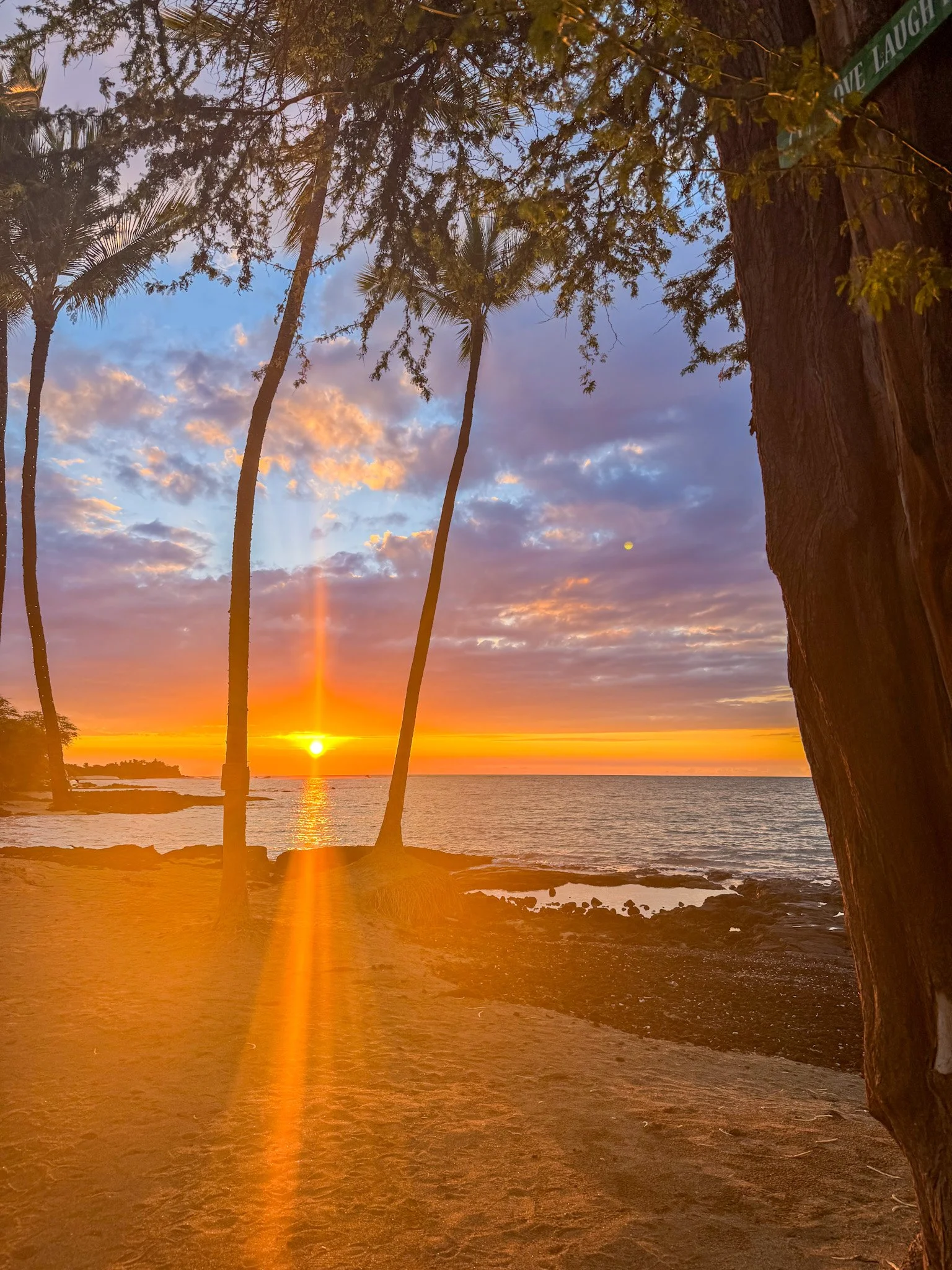
Stay on the Kona side if you want sunshine, snorkeling, resort amenities, and easier access to the manta ray night snorkel — one of the most unforgettable, once-in-a-lifetime experiences the Big Island has to offer.
Stay in Hilo if you want to immerse yourself in local life, chase waterfalls, and be in close proximity to Hawaiʻi Volcanoes National Park.
| Kona | Hilo | |
|---|---|---|
| Known For | World-famous Kona coffee, sunny dry climate, snorkeling, manta ray night snorkeling, and the Ironman World Championship triathlon | Lush rainforests, stunning waterfalls (Rainbow Falls, Akaka Falls), proximity to Volcanoes National Park, and local farmers markets |
| Best For | Beach lovers Foodies Snorkeling & diving Resort stays | Nature seekers Hikers Budget travelers Local culture Volcano tours |
| Vibe | Upscale, sunny, and touristy — a polished resort town with bustling Ali'i Drive, and waterfront dining | Laid-back, earthy, and authentic — a quirky small city embraced by jungle, rain, and deep local Hawaiian roots |
The Weather: Dry and Sunny vs. Lush & Rainy
This is the biggest practical difference between the two sides — and it should be your first filter.
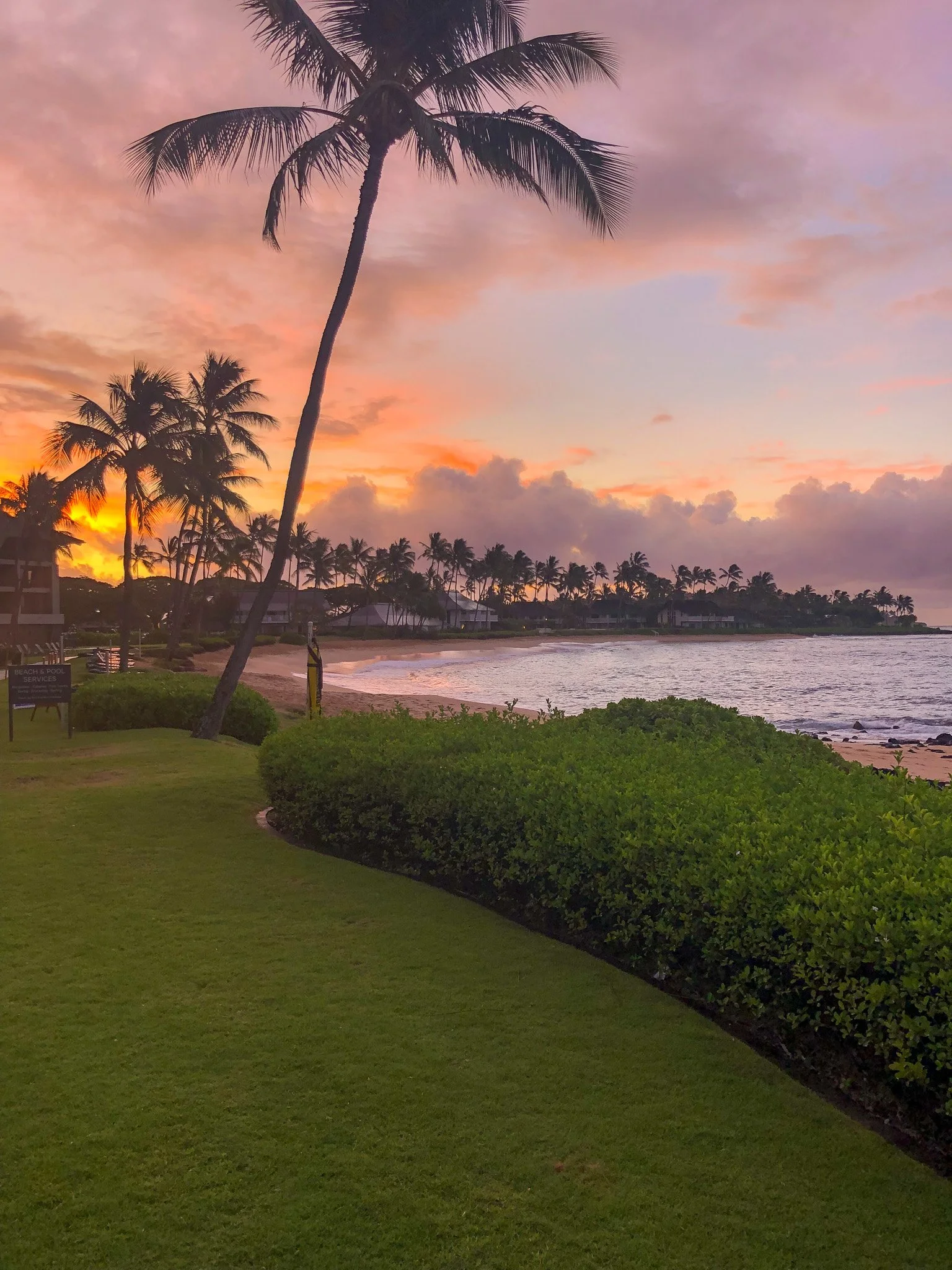
Kona, on the west coast, is dry and sunny with very little rain. Days on the Kona Coast are reliably warm, clear, and perfect for anything water-related. The landscapes heading north from Kona along the Kohala Coast are dominated by dominated by dramatic lava fields that give way to luxury resorts. During our visit in early November, we had only one evening of rain the entire week — ideal weather conditions for snorkeling and outdoor exploring.
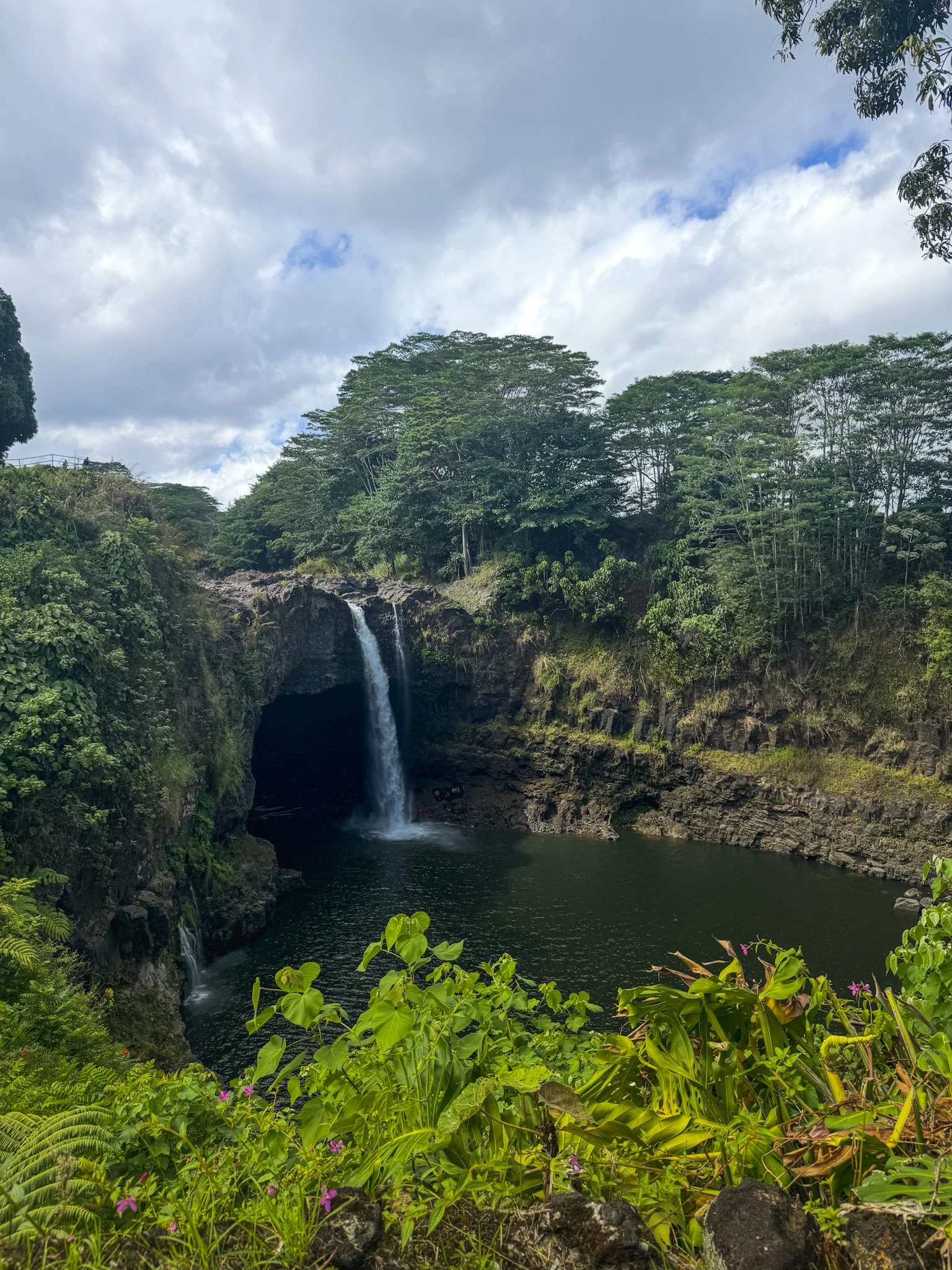
Hilo, on the east coast, is tropical and humid — and famously the rainiest city in the United States. That rain is exactly why the east side is known for its lush rainforests and dramatic waterfalls. If you're chasing that tropical landscape, the rain is usually part of the deal. That said, we were blessed with sunny skies during our time on the east side of the island - so it's not all doom and gloom.
The Big Island is home to over 10 unique climates — weather conditions can shift dramatically within just a few miles. Locals joke: if you don't like the weather where you are, just drive 10 minutes. That's true, but worth noting that the coasts are at least 1.5–2 hours apart so you can't easily split your days between them without spending significant time in the car.
The Vibe
Kona is the Big Island's most developed area. Kailua-Kona has big box shopping (Target, Walmart), locally owned restaurants, a walkable downtown district with locally owned boutiques, and large resort areas stretching north along the Kohala Coast. It caters a bit more to tourists — which can be a good or bad thing depending on what you're looking for. Though, nowhere on the Big Island gives off cheesy tourist vibes like you can find in some other destinations.
Hilo doesn't cater to tourists at all really, and that's precisely its charm. It feels like you're immersing yourself in local island life rather than a curated travel experience. Traditional hotel options are more limited, the dining scene favors local restaurants, and you won't find a luxury resort here. If an authentic, less commercialized Hawaiian experience is your sole purpose for visiting, Hilo delivers in a way the west side simply can't match.
Things To Do: Where Each Side Wins
Kona wins for:
Snorkeling and Marine Life:
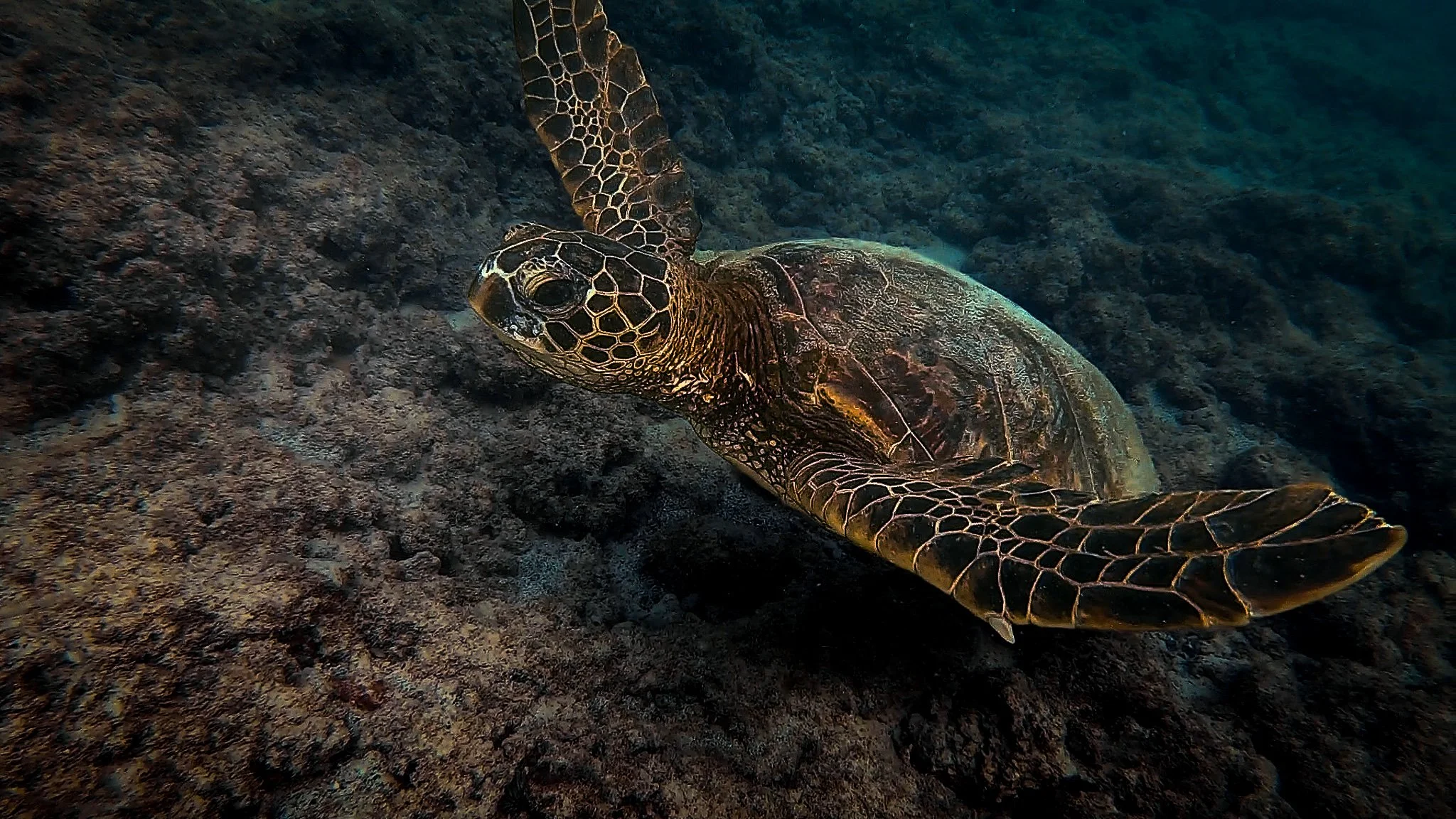
The Big Island is one of the best snorkeling destinations in the world, and the best (or perhaps easiest) access is on the Kona Coast. Crystal clear waters, protected bays with calm waters, and diverse marine life — sea turtles, eagle rays, tropical fish, eels — give snorkelers of all skill levels an incredible experience. Whether you prefer a DIY adventure or guided snorkel tours with professional guides, the Kona side undeniably checks this box. Some of the only places in the world where you can have certain encounters are right here: the manta ray night snorkel at Keahou Bay, and the Captain Cook Monument snorkel at Kealakekua Bay — the only underwater state park in Hawaii, with visibility up to 100 feet and one of the best snorkel sites on the entire island.
The Manta Ray Night Snorkel:
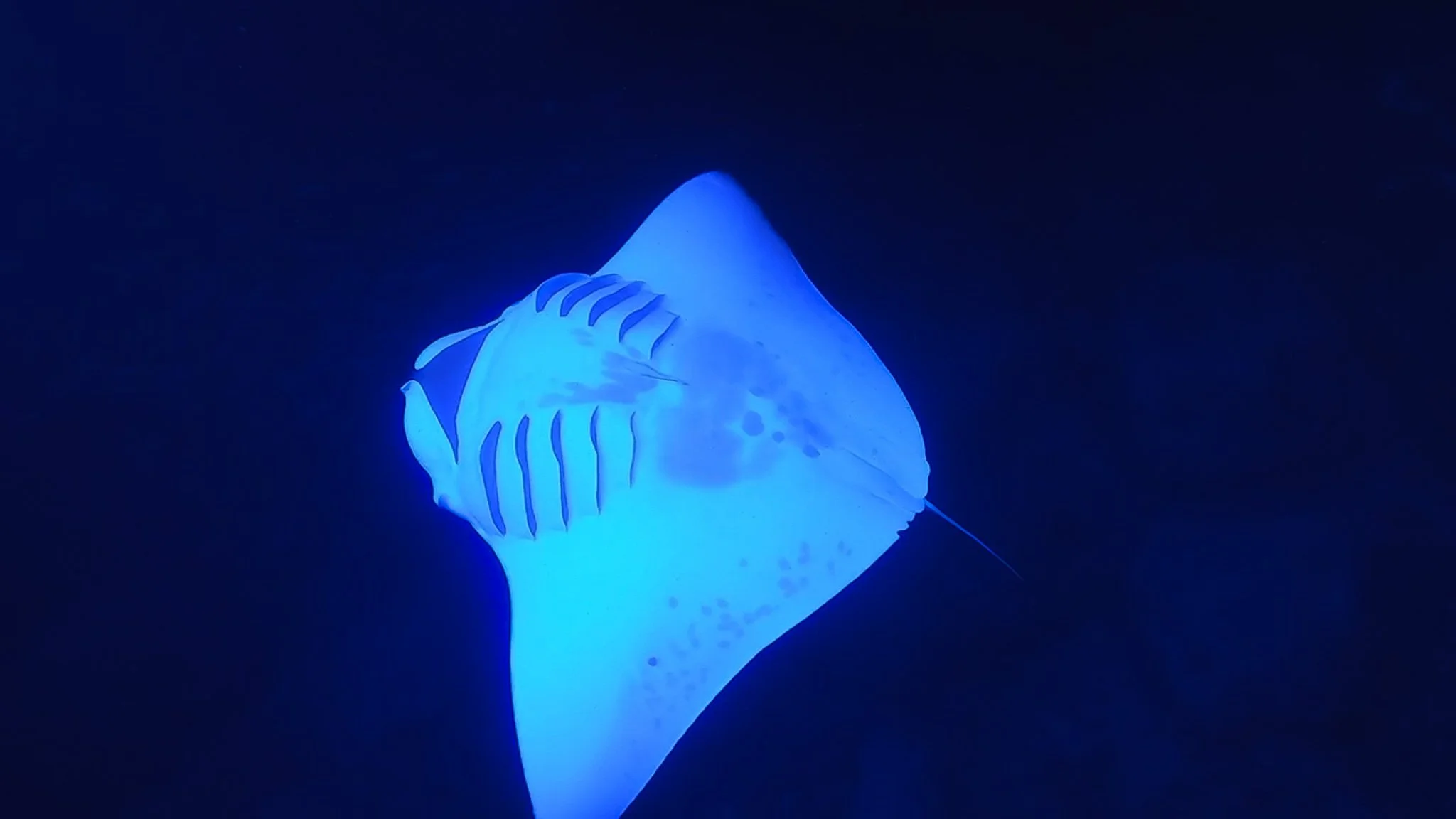
This is a Kona exclusive and, for many visitors, the coolest experience of their entire trip. Over 300 individual manta rays call the Kona Coast home, and Keahou Bay — affectionately known as Manta Village — is one of the most reliable manta ray viewing sites in the world. Tour operators deploy customized light boards to concentrate plankton, which draws the mantas in close — sometimes within inches of snorkelers at the surface. The success rate is remarkably high, and watching such large animals glide through their natural habitat after dark is a lifetime experience. The short boat ride from Keahou Bay to Manta Village (about 5 minutes) also makes it accessible even for guests prone to motion sickness. You must go with a tour operator — darkness and heavy boat traffic in the open ocean make a DIY manta ray swim dangerous. We booked with Fair Wind Cruises and would do it again in a heartbeat. Their new boats, smaller group sizes, and commitment to sustainable tourism set them apart from others running Kona snorkel trips. Click here for a more in-depth guide on the manta night snorkel.
Coffee Farms:
The first Kona coffee tree was planted in the early 1800s, and today there are over 600 farms on the Big Island. Tours range from free (Greenwell Farms offers complimentary tours, no reservations required) to around $50 depending on what's included. Kona's volcanic soil and ideal climate conditions produce world-class coffee — even if you don't go on tour, a farm visit is worth it.
Black Sand Beach:
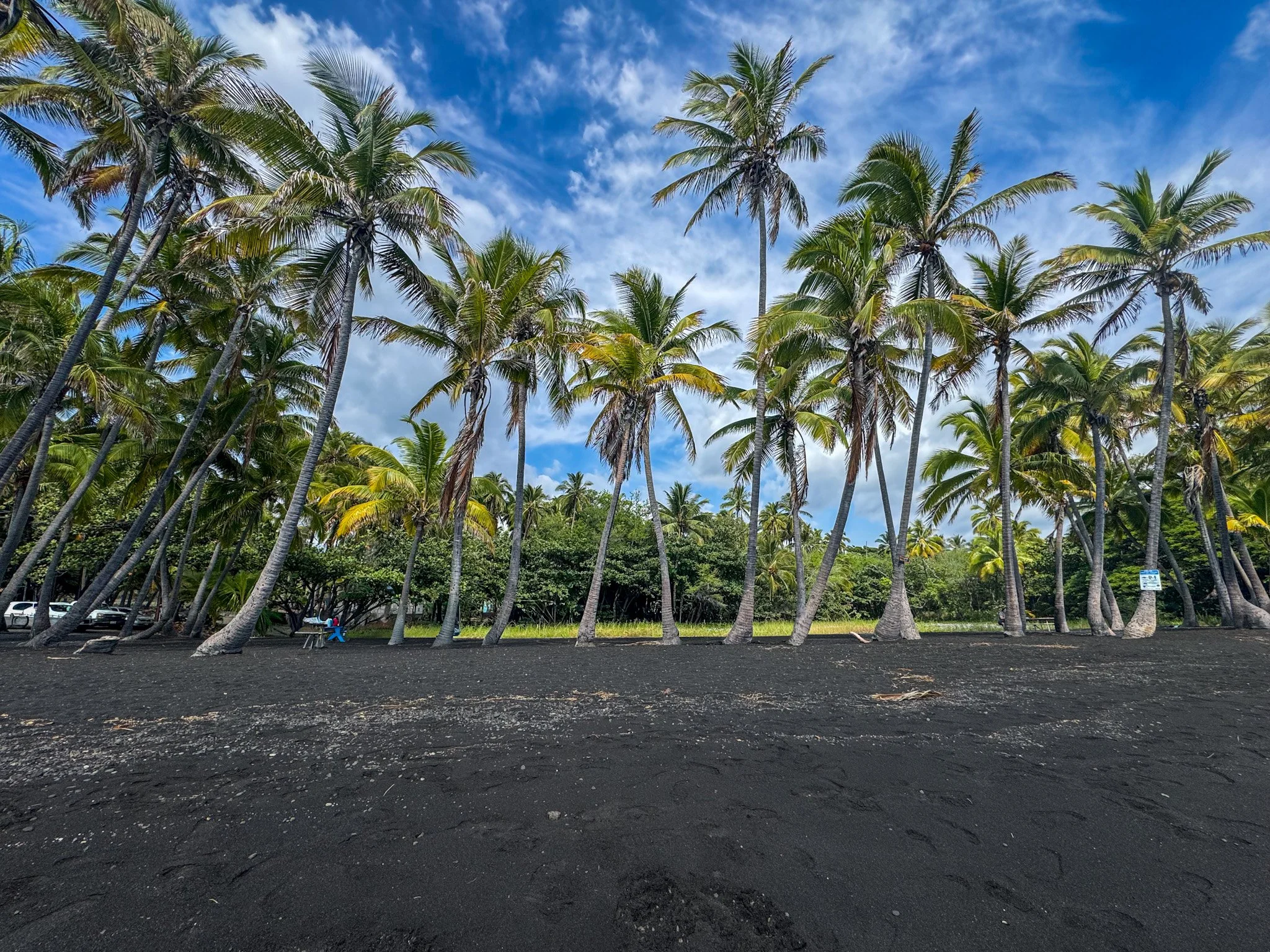
Punaluʻu Black Sand Beach is on the southeastern side of the island — a natural day trip from the Kona or Kohala Coast side. Not ideal for swimming due to strong currents, but the basaltic coastline is stunning and sea turtles are frequently spotted sunning along the shore.
Resort Life:
If you want luxury resort amenities, the Kohala Coast is where you'll find them: the Fairmont Orchid, Mauna Lani Auberge Collection, Four Seasons Hualalai, and Hilton Waikoloa Village, among others. For travelers who want a smaller, more intimate experience, the condo-style vacation rentals and smaller hotels in Kailua-Kona offer a more personalized experience at a lower price point.
Hilo Wins For:
Waterfalls:
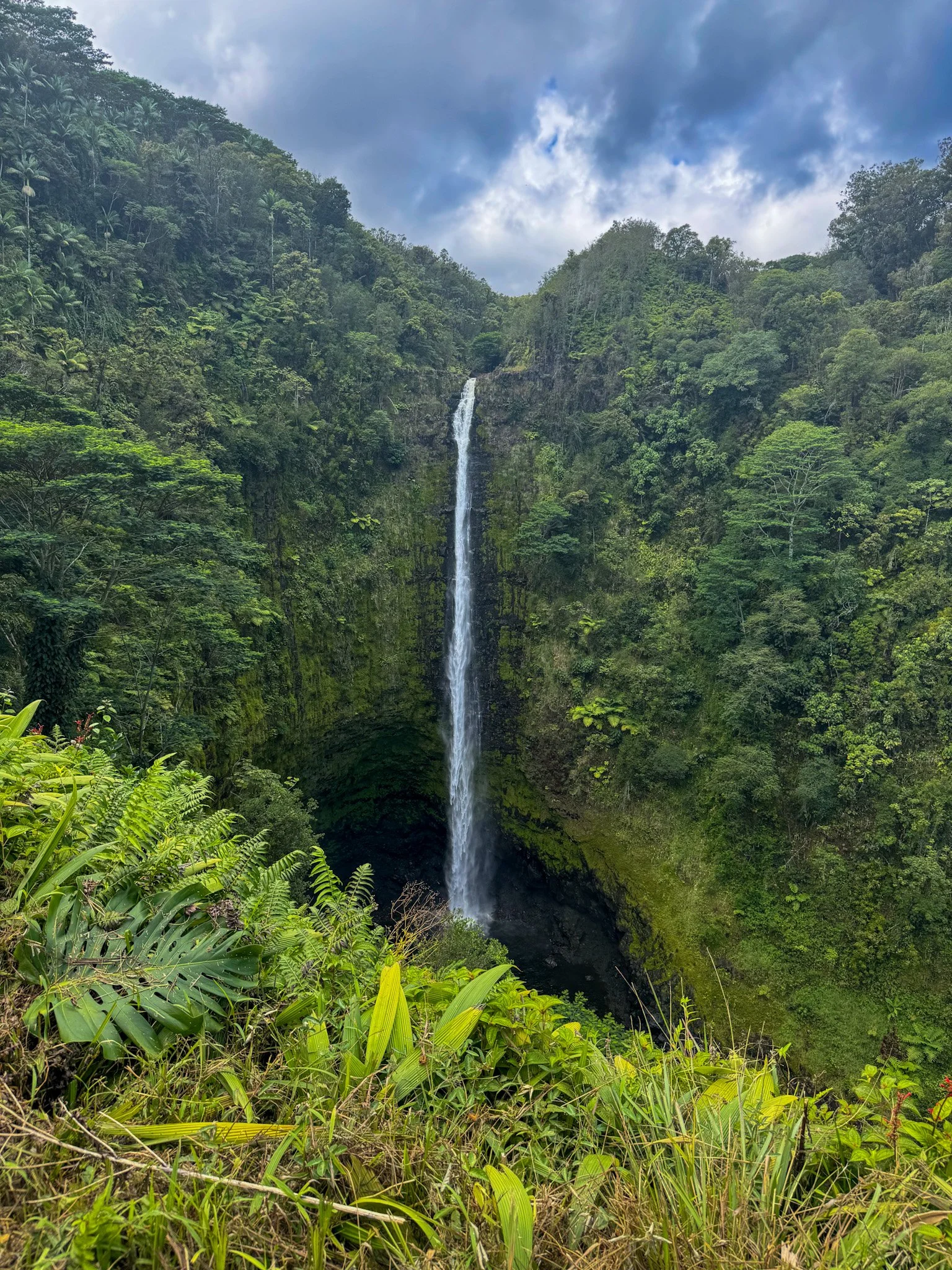
The two best waterfalls on the Big Island are both near Hilo. Rainbow Falls is just outside of town — free to visit, nearly ADA accessible, and named for the rainbow effect created by the mist at the base of the falls. Akaka Falls is about 20 minutes north of Hilo: a spectacular 442-foot waterfall reached via a short 0.4-mile paved loop trail ($10 parking, $5/per person entry). If chasing waterfalls is a big part of your itinerary, Hilo is your home base.
Hawai’i Volcanoes National Park:
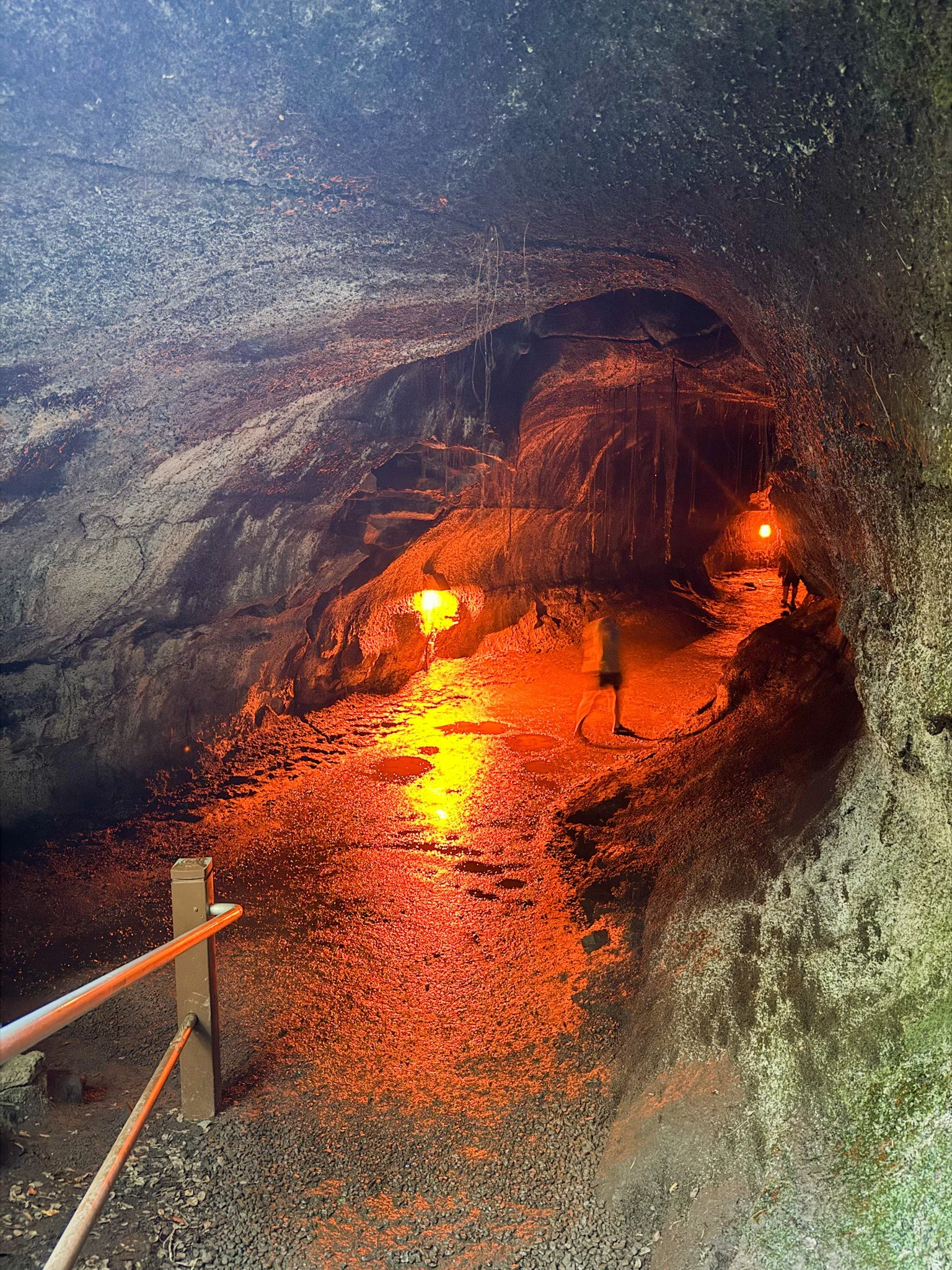
Located on the southeastern corner of the island, the park is home to two active volcanoes — Mauna Loa and Kilauea. It's accessible from the Kona side, but the drive is 1.5–2 hours each way. If seeing lava, hiking through a 500-year-old lava tube, or driving the Crater Rim Road is high on your list, staying near Hilo gives you the best chance of experiencing it fully — and of catching an eruption if Kilauea is active during your visit.
Local Food and Culture:
Hilo has a more authentic local dining scene and a genuine small-city feel. It's the island's second most developed area, but it feels a world away from the resort corridors of the Kohala Coast.
Rainforest and Natural Environment:
The lush, tropical east side is a natural environment unlike anything on the dry Kona coast. For travelers who want to experience diverse landscapes and immerse themselves in Hawaii's natural habitat, the Hilo side offers an incredible experience that's completely different from resort Hawaii. A visit to the botanical gardens at the Hawaii Tropical Bioreserve & Garden here is a must for nature lovers.
Where To Stay
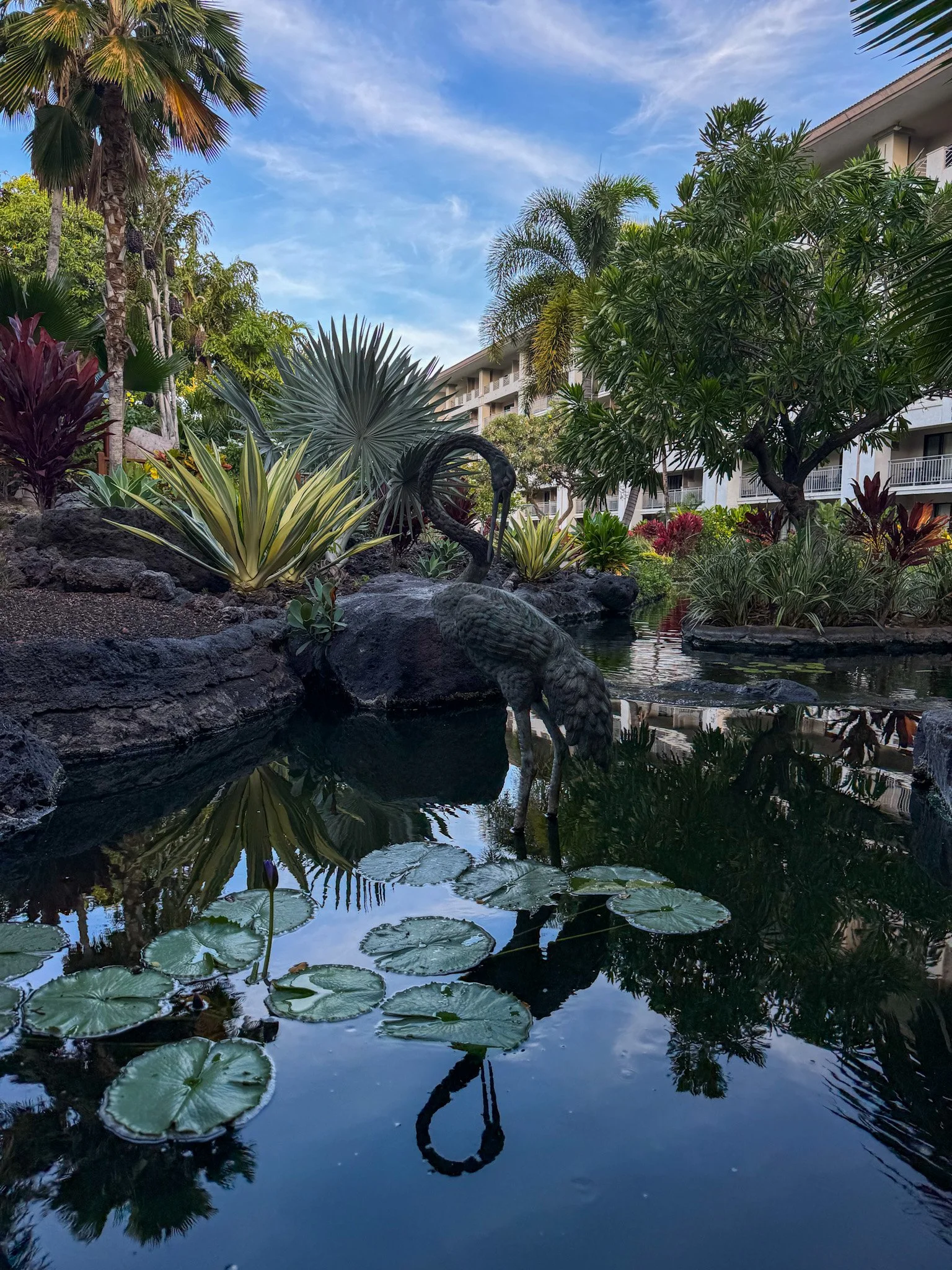
Check out my in-depth where to stay guide for more details on each of these luxury resorts and hotels.
Kona / Kohala Coast
Mauna Lani:
⭐️⭐️⭐️⭐️⭐️ Fairmont Orchid
⭐️⭐️⭐️⭐️⭐️ Mauna Lani Auberge Collection
Ka’Upulehu:
⭐️⭐️⭐️⭐️⭐️ Four Seasons Hualalai
⭐️⭐️⭐️⭐️⭐️ Rosewood Kona Village
Waikoloa:
⭐️⭐️⭐️⭐️ Hilton Waikoloa Village
⭐️⭐️⭐️⭐️ Waikoloa Beach Marriott Resort & Spa
Kailua-Kona:
Hilo:
⭐️⭐️⭐️ Grand Naniloa Hotel (a DoubleTree by Hilton)
⭐️⭐️⭐️ SCP Hilo Hotel
Traditional hotel options in Hilo are more limited than on the west side, but for budget-conscious travelers, the lower price point is a meaningful advantage.
Getting There
There are two airports on the Big Island: Kona (KOA) on the west side and Hilo (ITO) on the east.
Kona offers direct flights from the mainland — Los Angeles, Seattle, Portland, San Francisco, Phoenix, San Diego, and Denver.
Hilo primarily services inter-island flights, requiring a stopover in either Honolulu or Maui.
Most visitors fly into and out of Kona regardless of where they plan to stay, using it as their primary travel channel into the island. From Kona, it's approximately a 1.5–2 hour drive to Hilo.
So, Which Side Is Right For You?
Choose the Kona side of the island if you:
Want guaranteed sunshine
Want convenient access to the coral reefs dotting the Kohala Coast for snorkeling and diving
Plan to do the manta ray night snorkel
Want luxury resort options
Want easy access to visit a Kona coffee farm
Choose the Hilo side of the island if you:
Are prioritizing Hawaii Volcanoes National Park
Want to chase waterfalls and explore the rainforest
Prefer an authentic, local vibe
Are okay with — or excited about — the rain and lush landscapes
Are traveling on a tighter budget
Can't choose? You don't have to. With a rental car, the Big Island is absolutely worth exploring end to end — just plan on 1.5–2 hours between the coasts and build your itinerary accordingly. We spent our week on the Kona side and made day trips east, which gave us the best of both worlds without sacrificing easy access to the snorkeling and manta rays that topped our list. For first-time visitors especially, that's the approach I recommend most.
More Big Island Travel Guides
FAQs
Is Kona or Hilo better for first-time visitors?
For most first-time visitors to the Big Island of Hawaii, the Kona side is the better starting point. The reliable sunshine, world-class snorkeling, and access to the manta ray night snorkel make it the more consistently rewarding base. Hilo is a better fit if Hawaii Volcanoes National Park and waterfall chasing are your primary goals, or if you specifically want a more local, off-the-beaten-path experience.
How many inches of rain does Hilo get each year?
Hilo averages 142" of rain annually, making it the wettest city in the US.
Can you do the manta ray night snorkel from Hilo?
Technically yes, but it requires more planning and time in the car. The drive from Hilo to Keahou Bay — the primary manta ray viewing site — is over 1.5 hours each way. Factor in 2+ hours for the tour and the drive home after dark, and it makes for a very long night.
What is Manta Village?
Manta Village is the nickname for the manta ray viewing site at Keahou Bay on the Kona Coast, where manta rays have been gathering since the 1970s. For a full breakdown, read my Manta Ray Night Snorkel review.
How can I know if Kilauea will erupt during my stay?
There's no way to guarantee when a volcano will erupt, but there are a few ways to stay up to date with current volcanic activity and the best guesses of scientists who track her status.
The USGS Hawaiian Volcano Observatory issues Volcano Updates for Kīlauea. You can check the most recent updates and sign up for alerts here.
Youtube - The USGS hosts live cam broadcast of current conditions, via Youtube, from various positions around the caldera. Camera 1 | Camera 3
What snorkel gear do I need for the Big Island?
If you plan to do any DIY snorkeling, I highly recommend bringing your own gear rather than relying on rentals. A well-fitted mask, snorkel, and fins make a far better experience than struggling with rental equipment that doesn't fit properly. Avoid full-face masks — they have been linked to snorkeling-related safety incidents due to CO2 buildup. If you'd rather not pack gear, Snorkel Bob's offers weekly rental packages, and most guided snorkel tours include gear in the cost of the excursion.
Do I need a rental car on the Big Island?
For most travelers, yes — and especially if you plan to visit both sides of the island. The roads are well maintained but sights are spread out, and many of the best snorkel spots are not accessible without a car. If you're a "flop and drop" traveler spending the majority of your time on resort in Kailua-Kona, you could technically get by without one. For everyone else, a rental car gives you the flexibility for a far better experience overall.
There is public transportation on the island via the free Hele-On Bus which connects areas like Kona, Hilo and Volcanoes National Park. However, a rental car will provide significantly more flexibility.
Is it worth visiting both Kona and Hilo on the same trip?
Absolutely. Visiting both sides gives you the opportunity to see more of the diverse climates and landscapes on the Big Island. A day trip from the Kona side to Hilo, Akaka Falls, Rainbow Falls, and Volcanoes National Park is doable with an early start - but it will be a LONG day. On a longer trip (7+ nights), consider splitting time between both sides for a truly complete Big Island experience.
What wildlife can you see on the Big Island beyond manta rays?
The Big Island offers some of the best wild animal viewing in Hawaii. On the Kona Coast, snorkelers regularly encounter green sea turtles, spotted eagle rays, and abundant tropical fish in crystal clear waters. Spinner dolphins are frequently spotted near shore, though federal regulations prohibit approaching within 50 yards of them. In winter, humpback whales can be seen from shore or on a dedicated whale watching tour. On the east side, sea turtles sun themselves at Punaluʻu Black Sand Beach year-round.
How long do I need on the Big Island?
We'd recommend a minimum of 5 nights to do the island justice — ideally 7. A shorter trip can work if you have a clear sole purpose (say, the manta ray night snorkel and snorkeling the Kona Coast), but the Big Island is large enough that you'll want time to explore beyond your home base. For context, the island is roughly the size of Connecticut. Five nights on the Kona side with a day trip or two east is a solid structure for a first visit.
Hi, I’m Jess
I’m here to help you plan epic adventures. If you’re looking for authentic travel guides that mix luxe lodging and incredible dining with out of this world hikes and adventures, you’re in the right place.


Your complete guide to the best time to visit the Isle of Skye