Is It Safe to Travel to Cabo San Lucas? A 2026 Safety Guide
If "is Cabo San Lucas safe?" is the thing standing between you and booking that trip, my goal is to give you the peace of mind to go ahead and book it. Here's the honest answer — as a travel advisor and someone who has been visiting Baja California Sur for nearly a decade and has never once felt unsafe.
The Short Answer
Yes — Cabo San Lucas is generally safe for tourists, and it remains one of the most popular tourist destinations for U.S. travelers for good reason. Los Cabos welcomed a record 3.8 million visitors in 2025, and the vast majority of them left already planning their next trip. The area has a well-established tourism infrastructure built specifically around keeping visitors comfortable and looked after.
That said, no destination is without nuance, and I'd rather give you the real picture than a glossy non-answer. So let's talk through what the safety situation actually looks like, what to be aware of, and what common-sense safety precautions will serve you well.
📍 First: Understanding Where Cabo Actually Is
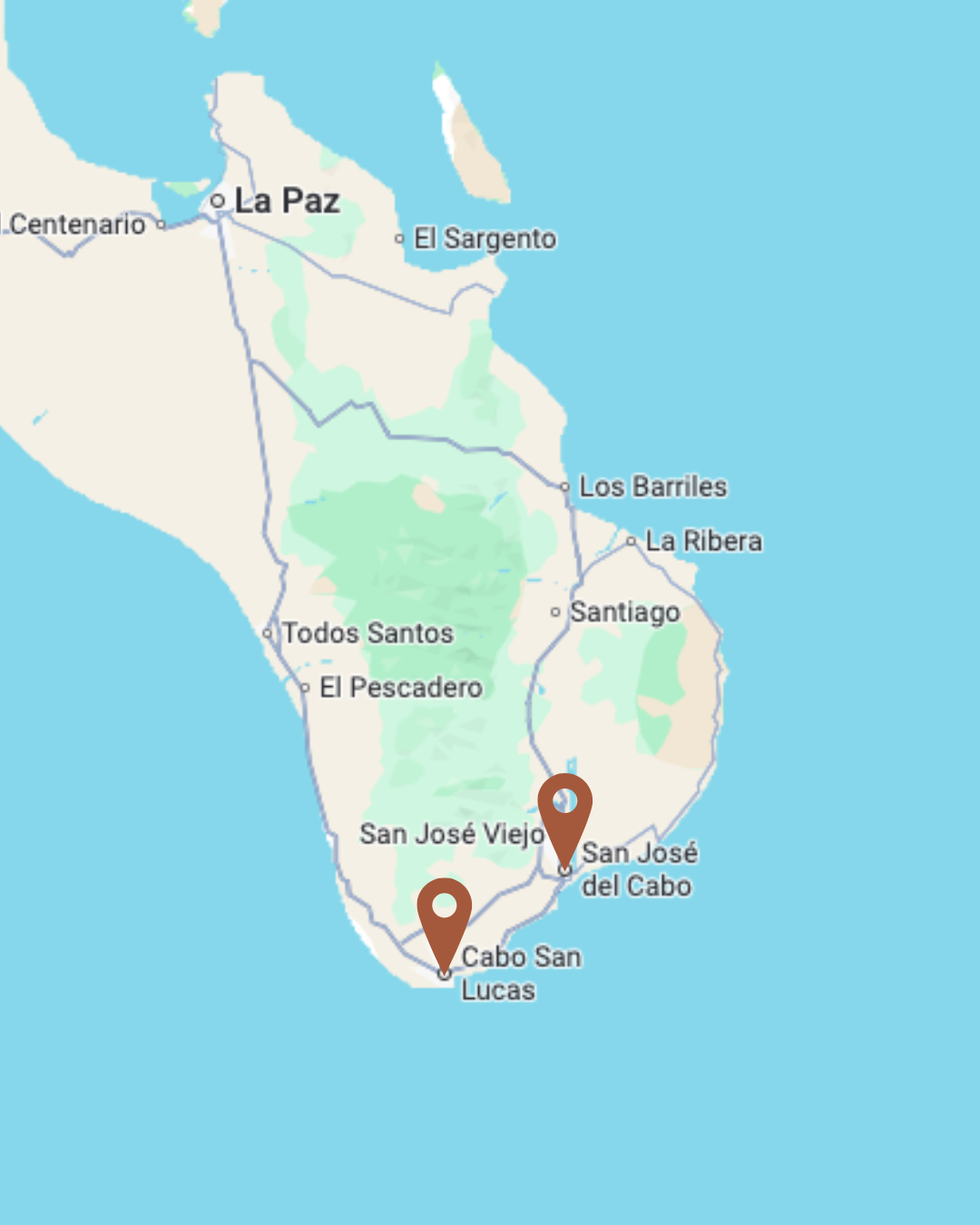
This comes up with clients constantly, so let's clear it up before anything else.
Cabo San Lucas — along with its neighbor San José del Cabo — sits at the very southern tip of the Baja California Sur peninsula. Baja is a long, narrow strip of land that juts south from the U.S.-Mexico border, flanked by the Pacific Ocean on one side and the Sea of Cortez on the other. Critically, the Baja peninsula is not physically connected to mainland Mexico — it's separated by the Gulf of California. La Paz is the state capital of Baja California Sur, about two hours north of Los Cabos.
Why does this matter for safety? Because many of the headlines you see about crime and violence in Mexico are tied to states on the mainland — Sinaloa, Jalisco, Guerrero, Tamaulipas. Those are geographically distant from Baja, and what happens there doesn't ripple down the peninsula the way people sometimes assume. The Mexican state of Baja California Sur — which includes Cabo San Lucas, San Jose del Cabo, Todos Santos, and La Paz — operates as its own distinct region, and its safety profile reflects that.
When you fly into Los Cabos International Airport (SJD), you're landing in one of Mexico's most visited and most monitored tourist corridors. It has very little in common, safety-wise, with the areas that generate scary headlines.
What the U.S. State Department Says (And What It Actually Means)
The U.S. State Department currently rates Baja California Sur at Level 2: Exercise Increased Caution. The Los Cabos Tourism Board confirms there are no travel restrictions issued by the U.S. Department of State for Baja California Sur — which includes Cabo San Lucas, San José del Cabo, and La Paz. For more context: Level 2 is also the rating currently assigned to France, Germany, the United Kingdom, Belgium, and Japan. It's essentially the department's way of saying be aware of your surroundings — not don't go. It is not a warning to avoid the region.
The states you'll want to actually avoid are the Level 4 "Do Not Travel" designations — places like Colima, Guerrero, and Sinaloa. Those are the areas that earn the scary headlines, and they are a world away from the Baja peninsula.
The Los Cabos Tourism Board maintains a dedicated Los Cabos Safety Guide with up-to-date official information, including emergency contacts, and any current travel advisory details if you want to review it before your trip.
My Personal Experience in Baja
I've been visiting this stretch of Baja California Sur since 2018 and I can tell you honestly that I have never personally felt unsafe here.
You will notice a visible security presence. Armed police and local law enforcement in trucks are part of the landscape, and while that can feel jarring at first, it's worth noting that in Baja it's significantly less widespread than what I've experienced in places like Cancún. It reads more as a routine presence than anything alarming.
Los Cabos consistently ranks high in safety perception among Mexican tourist destinations, and its 40% repeat visitor rate underscores the confidence travelers have in the destination. That tracks with my own experience — every client I've sent there has come home already asking about the next trip.
What You Should Actually Be Aware Of
Most safety concerns for tourists in Los Cabos fall into the category of everyday travel awareness — the same precautions you'd take anywhere unfamiliar. Here's what I'd tell any client before they go:
Stick to the tourist corridor and established areas. Cabo San Lucas, San José del Cabo, and the Tourist Corridor that connects them are well-patrolled and well-trafficked. Stick to well-lit corridors at night — the downtown routes you'll see packed with families and groups, not empty side streets. I'd avoid wandering into unfamiliar non-tourist areas alone after dark. If you're still sorting out which area is right for your trip, I've broken that all down here: Cabo San Lucas vs. San José del Cabo vs. the Tourist Corridor →
Use Uber or hotel-arranged transportation. Skip flagging down taxis on the street — this is actually a State Department recommendation across all of Mexico, not just Cabo. Uber is readily available and is my go-to. If you're renting a car for a road trip or day trips around Baja, stick to main highways and travel during daylight hours. A day trip to Todos Santos is absolutely worth building in: Todos Santos Day Trip Guide →
Watch your drinks. Universal advice for any nightlife-forward destination. Keep an eye on your drink, especially at bars and clubs in Cabo San Lucas.
Skip the street ATMs. Use ATMs inside banks or your hotel to reduce the risk of credit card skimming, which can happen at standalone machines in high-traffic tourist areas.
Get travel insurance — and make sure it includes medical coverage. This is a good idea for any international trip, but especially in Mexico where most private hospitals require payment upfront and U.S. health insurance typically isn't accepted. I always recommend adding medical evacuation coverage as well. If you need help navigating insurance options, I can help with that too! → Contact Me
Be Mindful in Public Areas — just as you would in any unfamiliar city, stay aware of your surroundings.
Tap water isn't for drinking. Bottled water is widely available — just ask. Worth being mindful of ice in your drinks as well, particularly outside of established resort properties.
Is Cabo Safe for Solo Female Travelers?
Yes — and San José del Cabo in particular is one of the destinations I feel most comfortable recommending for solo female travelers. The walkable El Centro area, the Thursday night art walk, the café culture — it's a place where wandering alone is incredibly enjoyable. Cabo San Lucas has a livelier, more party-forward scene, which means standard big-city awareness applies, especially after dark: stay in well-lit areas, don't walk alone late at night, and trust your instincts. The same advice holds from Nashville to New Orleans.
For a deeper look at what makes San José del Cabo distinct — and why it might be the better fit for your trip — start here: Ultimate Guide to San José del Cabo →
Is Cabo Safe for Families?
Absolutely. Los Cabos is one of the most family-friendly destinations in Mexico, with a resort infrastructure built for it. Properties like the Westin Los Cabos offer kids clubs, multi-bedroom villas, and daily activities. The tourist corridor and San José del Cabo are both very manageable with kids in tow.
For help narrowing down where to stay: Where to Stay in the Tourist Corridor → | Where to Stay in San José del Cabo → | Where to Stay in Cabo San Lucas →
Before You Go: A Few Practical Things
Enroll in STEP. The Smart Traveler Enrollment Program is a free State Department service that allows the U.S. Embassy to reach you in an emergency. Five minutes well spent before any international trip.
Save emergency numbers. Dial 911 in Mexico for emergency services, just like at home. The Los Cabos Tourist Assistance Center (CATAC) is also available for tourists: +52 624-105-0551.
Pack reef-safe sunscreen. Mexico requires it, and you'll be in the sun constantly. Full packing list here: What to Pack for Los Cabos →
Frequently Asked Questions
What is Baja California Sur, and how is it different from the rest of Mexico?
Baja California Sur is the southernmost state on the Baja California peninsula — a long, narrow strip of land that runs parallel to mainland Mexico but is separated from it by the Gulf of California. Cabo San Lucas and San José del Cabo are both located in Baja California Sur, with La Paz as the state capital. Because of its geographic isolation, Baja California Sur has historically operated independently from the dynamics of drug cartels that affect parts of mainland Mexico. When you see news about violence in Mexican states like Sinaloa, Jalisco, or Guerrero, those are on the mainland — a different world from the Baja peninsula.
What does "Level 2: Exercise Increased Caution" actually mean for my trip?
It means be aware of your surroundings — the same common-sense awareness you'd practice in any unfamiliar city. Level 2 is the State Department's second-lowest advisory level. It does not mean avoid the destination, and it carries no travel restrictions for U.S. government employees in Baja California Sur. Level 2 is the same rating currently assigned to France, the United Kingdom, Germany, Italy, and Japan. Petty crime — pickpocketing, credit card skimming, opportunistic bag snatching — is the most relevant risk for tourists at this level, not violent crime. The main risk for tourists is petty theft. Keep valuables out of sight, use hotel room safes, and draw cash only from ATMs inside banks or resorts.
What are the most common scams in Cabo I should know about?
Most scams tourists encounter in Los Cabos are low-stakes but annoying. Here's what to watch for:
Timeshare pitches. This is the big one. You'll likely be approached in the airport, on the street, at the marina, or even at your hotel with offers of free tours, discounts, or activities in exchange for attending a "quick 90-minute presentation." These are timeshare sales pitches, and the 90 minutes rarely stays at 90 minutes. Just politely decline and keep walking.
Unofficial taxi overcharging. Drivers who approach you in the airport or on the street may quote inflated rates. Use Uber, your hotel's transportation, or a pre-arranged private transfer to avoid this entirely.
Credit card skimming. Standalone ATMs in high-traffic tourist areas are the most common target. Stick to ATMs inside your hotel, a bank branch, or an established business.
Counterfeit or spiked alcohol. This gets more attention than it probably warrants for mainstream resort areas, but it's worth knowing: stick to drinks poured in front of you at established bars and restaurants. If something tastes off, stop drinking it.
Fake police. Rare, but real in some parts of Mexico — someone may approach claiming to be law enforcement and asking for payment. If this happens, stay calm, don't hand over cash, and ask to be taken to the nearest police station or to contact the U.S. Consular Agency.
The State Department's general scam guidance is also worth a quick read before any international trip.
What should I expect at customs when flying into Los Cabos?
Arriving at SJD is straightforward for most U.S. travelers. Here's what to expect:
No visa required. U.S. citizens do not need a visa for tourism or short-term stays. As of March 2025, there are no changes to existing visa policies. Your valid U.S. passport is all you need.
Immigration form. You'll complete a digital immigration form (FMMD) either on the plane or via a self-service kiosk at the airport. This replaces the old paper tourist card. Hold onto any receipt or QR code it generates.
Customs declaration. You'll declare any goods you're bringing in. Travelers may bring goods valued at up to USD $500 tax-free, regardless of whether they enter by air, land, or sea. Anything over that amount should be declared.
The customs button. After collecting your luggage, you'll press a button at customs — green light means you pass through, red light means your bags get a secondary inspection. It's random and totally routine. Don't stress it.
Jewelry note: The Los Cabos Tourism Board flags this one specifically — engagement rings and wedding bands transported in their original packaging may be considered imported merchandise by Mexican customs and could be subject to import duties. Pack rings on your hand or loose in your personal bag to avoid any confusion.
Transportation out of the airport. Skip the unsolicited offers from drivers in the arrivals hall. Use a pre-arranged private transfer, or your hotel's shuttle. This is the single easiest step you can take to start your trip on the right foot.
For more on getting around once you arrive: Things to Do in Cabo San Lucas → | Things to Do in San José del Cabo →
Where is the closest U.S. Embassy to Cabo?
The U.S. Consular Agency in Los Cabos is your point of contact for passport issues, emergencies, and legal matters. It's located in San José del Cabo:
Las Tiendas de Palmilla L-B221, Km. 27.5 Carretera Transpeninsular, San José del Cabo, BCS
Hours: Monday – Thursday, 9 am – 2 pm (Closed on US/Mexican holidays)
Services: ACS (American Citizen Services) only
The Bottom Line
Cabo San Lucas and San José del Cabo are safe, well-established tourist destinations, and the vast majority of visitors — millions of them every year — have completely uneventful, wonderful trips. Like any destination, it rewards a little common sense: stick to main tourist areas, use reputable transportation, get travel insurance, and leave the worry at home where it belongs.
I've been sending clients to Los Cabos since 2018 and have watched them fall in love with it the same way I did on my first visit. Whether you're looking for the ultimate spring break trip or a relaxing couples' getaway, I would encourage you to book the trip.
Ready to start planning? As a travel advisor, I can help you find the right fit — and unlock complimentary perks like room upgrades, resort credits, and breakfast that you simply can't get booking on your own. Let's talk →
This post contains affiliate links. I may earn a small commission if you book through them, at no extra cost to you.
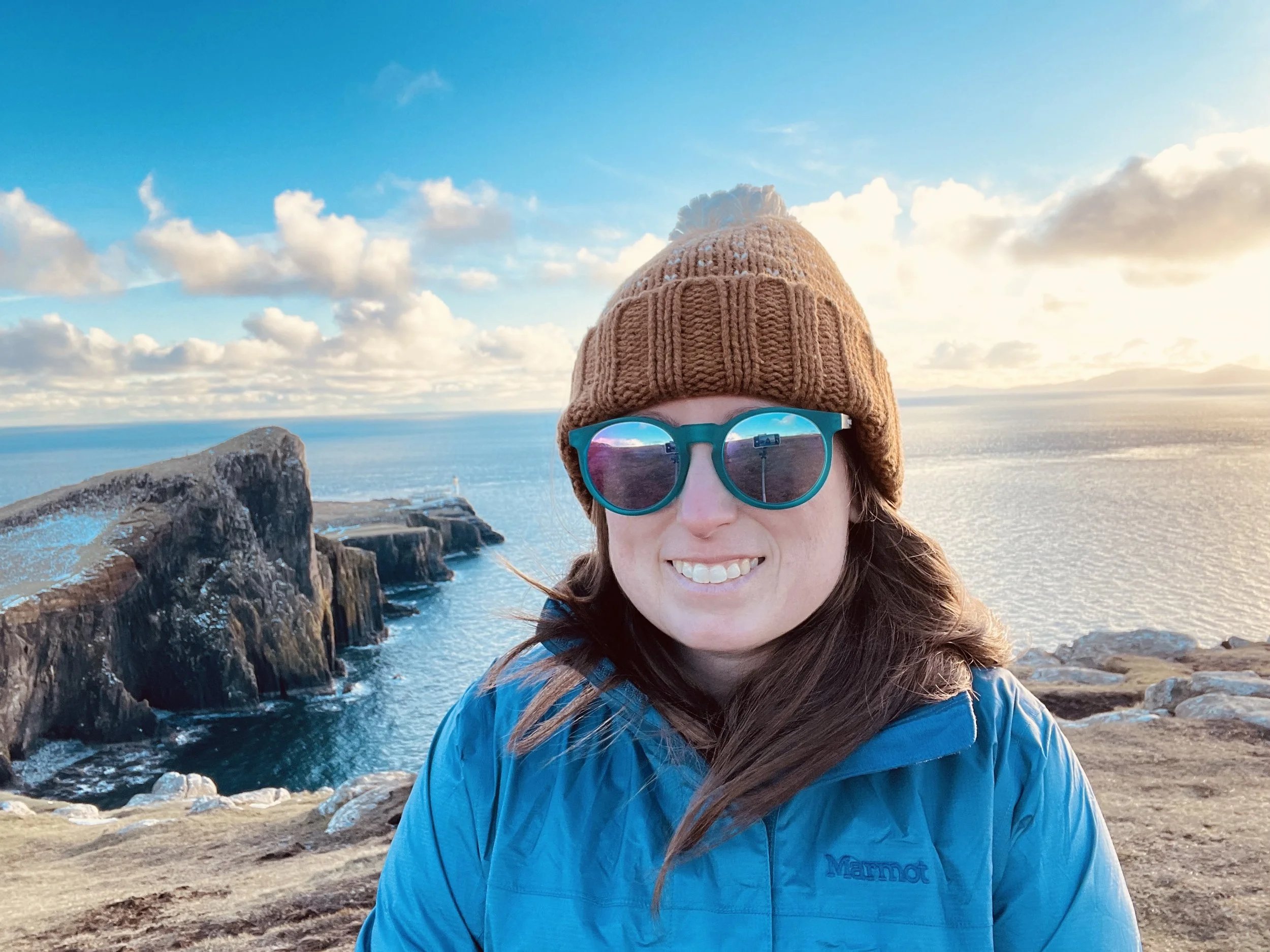
Hi, I’m Jess
I’m here to help you plan epic adventures. If you’re looking for authentic travel guides that mix luxe lodging and incredible dining with out of this world hikes and adventures, you’re in the right place.




Your complete guide to the best time to visit the Isle of Skye