The Best Day Trips from Gainesville, Florida (2026)
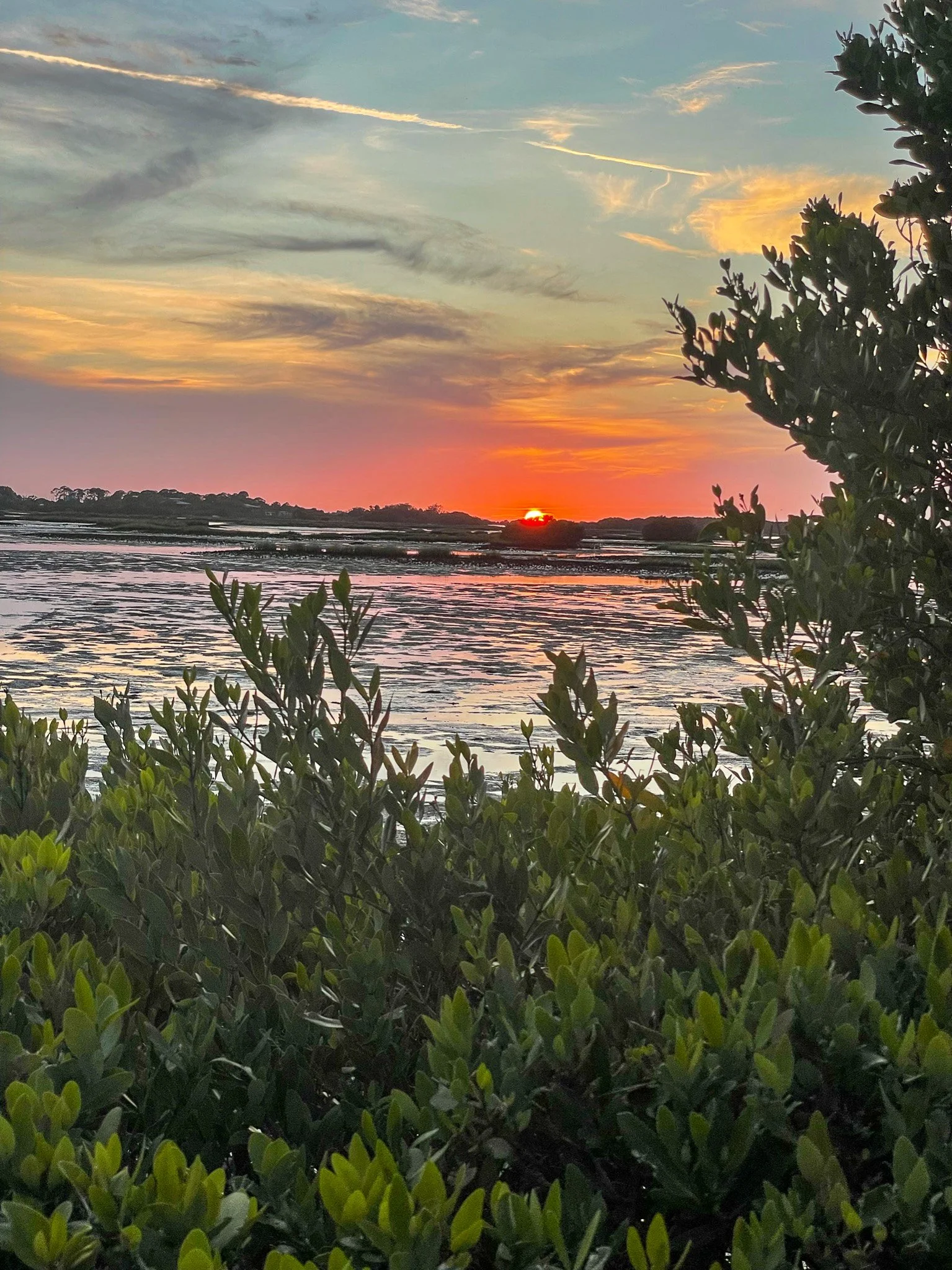
Cedar Key sunset
One of the best things about visiting Gainesville is how much is packed into a two-hour radius around it. In almost any direction, you've got wild horses, natural springs, barrier islands, historic cities, wildlife refuges, and national forests — most of which visitors never get to because they're busy navigating downtown Gainesville's food and bar scene. That's their loss. North central Florida is one of the most underrated corners of the United States, and Gainesville puts you at the center of it.
Whether you have one free day or you're building an entire trip around exploring the region, this guide covers the best day trips within two hours of Gainesville — what to do, what to eat, and how long to plan for each one. If you'd like a custom itinerary built around your travel style and dates, my travel planning services are a good place to start.
This post contains affiliate links. I may earn a small commission if you book through them, at no extra cost to you.
St. Augustine
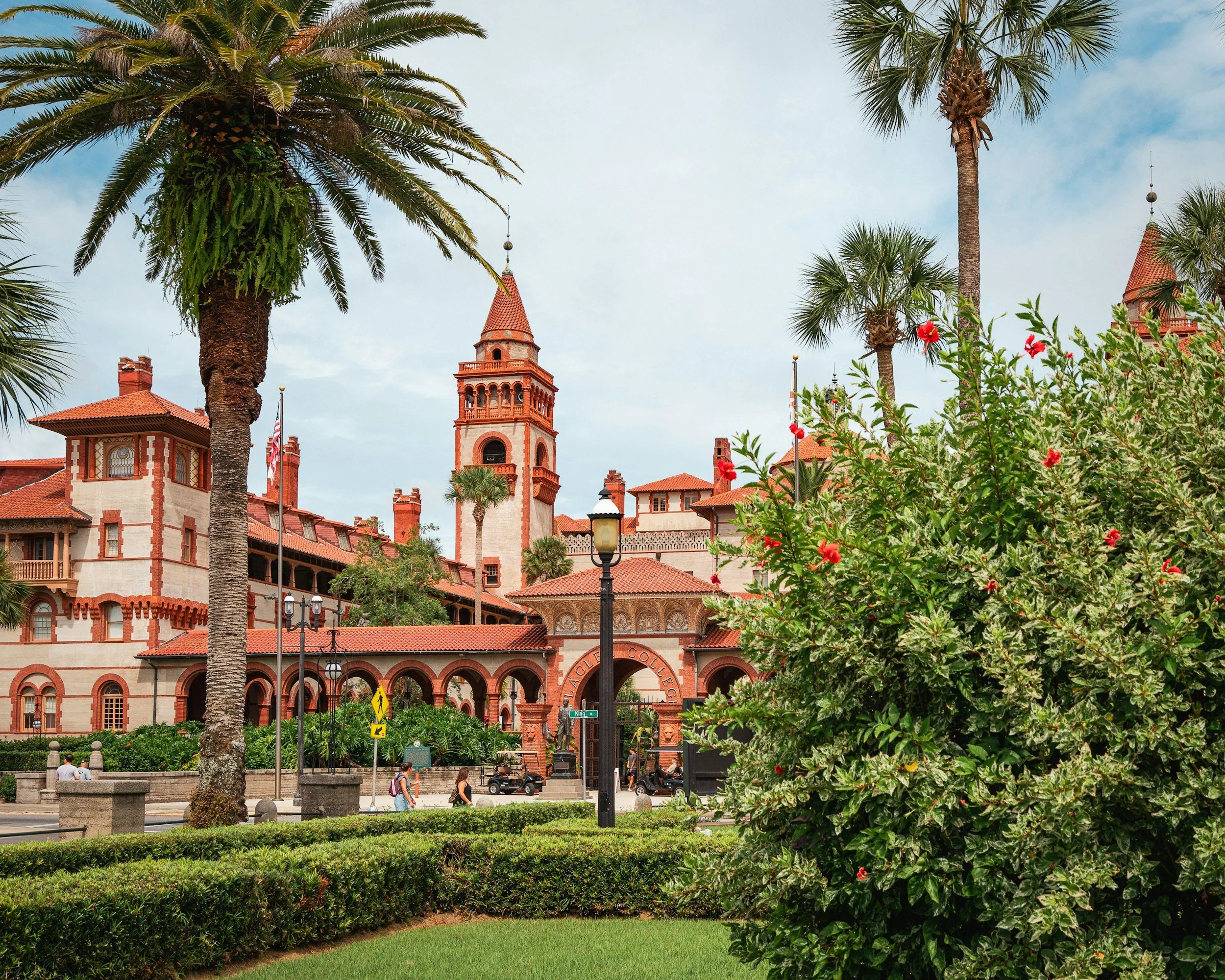
St. Augustine is one of the most historically rich cities in the United States. Founded in 1565 by Spanish colonists, it holds the title of the oldest continuously occupied European settlement in the continental US — and walking its cobblestone streets, you feel it. This is a place that rewards slow exploration.
The historic district is very walkable. Start at Castillo de San Marcos, the 17th-century coquina stone fortress that stands watch over Matanzas Bay — it's one of the best-preserved historic buildings in North America and the views from the top of the walls are worth the admission. From there, wander down St. George Street, the pedestrian heart of the oldest city, lined with independent shops, galleries, and local restaurants tucked into buildings that have been standing since the early 1900s.
Flagler College, housed in the stunning 1888 Ponce de León Hotel, anchors the southern end of downtown and is worth a tour if you can get tickets. The Lightner Museum, across the street, is one of the best small museums in Florida — it occupies the old Hotel Alcazar and houses an eclectic collection of Gilded Age antiques and art.
For nature lovers, Anastasia State Park is just across the Bridge of Lions — a beautiful barrier island park with Atlantic beaches, a nature trail through ancient dunes, and excellent kayaking through the salt marshes. Flagler Beach, about 20 minutes south, offers a quieter, more laid-back stretch of coastline if you want to escape the crowds (a favorite of mine since college).
Quick Hits
Drive time: Approx. 1.5 hours
Don't miss: Castillo de San Marcos, St. George Street, Flagler College tour, Anastasia State Park
Eat + drink: The Floridian, Casa Maya, Collage Restaurant, Santa Craft Brewing Company
Plan for: Full day — history in the morning, beach in the afternoon
Cedar Key
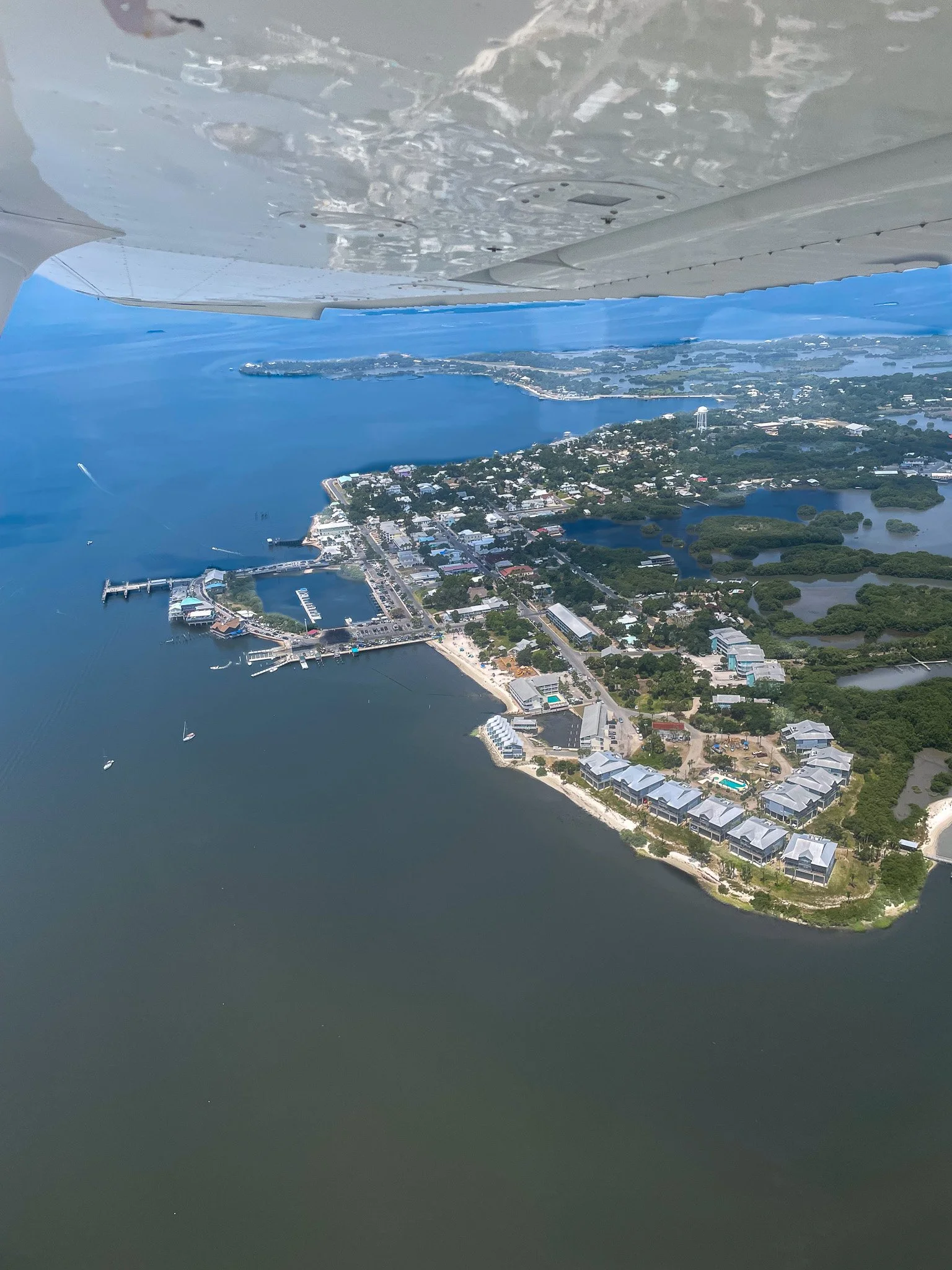
Cedar Key feels like stepping into a Florida that most people don't know still exists. A tiny island town on the Gulf Coast about 60 miles southwest of Gainesville, it has held onto its "Old Florida" charm in a way that larger coastal towns simply haven't. More golf carts than cars. Colorful waterfront cottages. Seafood shacks perched over the water. Sunsets that paint the Gulf in shades of orange and pink that you'll be thinking about for weeks.
The town has faced significant challenges in recent years — Hurricanes Idalia, Debby, and Helene hit back-to-back, with Helene bringing storm surge and severe damage to the island. The community has shown resilience, and as of 2026, Cedar Key is very much open for visitors. The best thing you can do? Show up and spend money locally.
Rent a golf cart (reserve in advance — they fill up fast on weekends) and spend the morning exploring the island. The Cedar Key Museum State Park is a lovely stop for history — exhibits cover the island's pencil mill and fishing industries, and a restored 1920s family home gives you a glimpse of early island life.
For outdoor adventure, the waters around Cedar Key are exceptional. Kayak or paddleboard out to Atsena Otie Key, the site of Cedar Key's original settlement, where you can explore ruins and the remnants of an old pencil mill. The Cedar Key National Wildlife Refuge, accessible only by boat, is home to ospreys, pelicans, bald eagles, and over 300 resident bottlenose dolphins. Cemetery Point Boardwalk is a hidden gem — a peaceful free trail through the marsh.
→ I have a full guide to Cedar Key here:A Weekend in Cedar Key, FL
Quick Hits
Drive time: Approx. 1.25 hours
Don't miss: Golf cart tour of the island, kayaking to Atsena Otie Key, Cemetery Point Boardwalk at sunset, Cedar Key National Wildlife Refuge
Eat + drink: Steamers Clam Bar & Grill (relocated to 2nd Street), The Prickly Palm, Low-Key Hideaway Tiki Bar, Island Hotel Restaurant
Plan for: Full day — or make it a weekend (it's worth it)
Ginnie Springs + High Springs
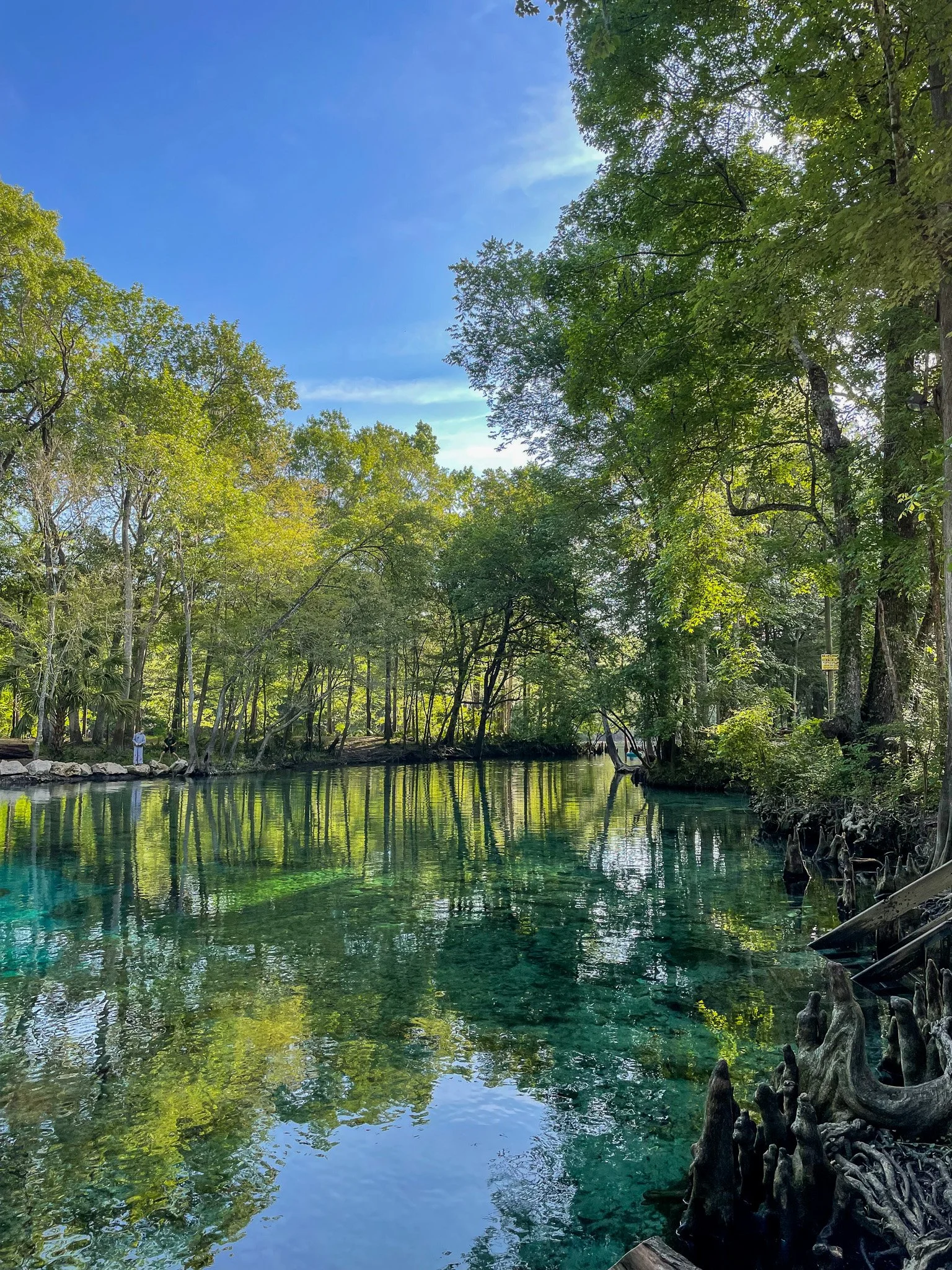
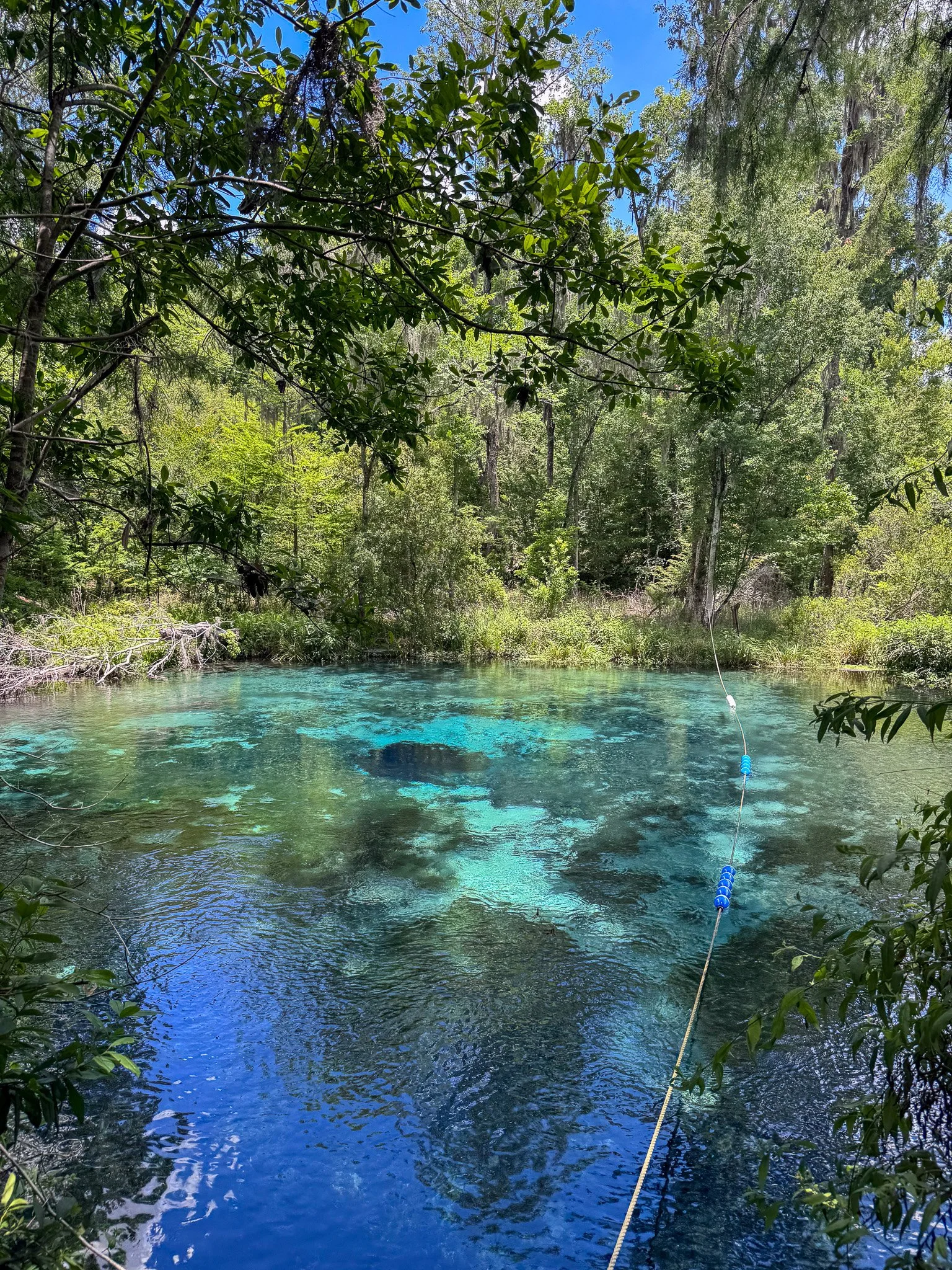
If you've never experienced a Florida freshwater spring, Ginnie Springs will ruin every other swimming hole for you. Tucked into the limestone heart of north-central Florida along the Santa Fe River in High Springs, Ginnie Springs is one of the most iconic freshwater dive sites in the world — and even if you're not a diver, it's a spectacular place to spend a day.
The water temperature is a constant 72°F year-round, with visibility that regularly exceeds 100 feet. Snorkelers can float face-down over stunning spring basins, drift down the Santa Fe River, and peer into underwater caverns from the surface. The surroundings feel prehistoric — ancient rock formations, fossil-rich limestone, and the kind of crystal clarity that doesn't quite look real.
For certified divers, Ginnie Springs is a bucket list destination. The Ginnie Ballroom is accessible to open-water certified divers — a spacious cavern with a permanent guideline, fossil beds embedded in the walls, and a daily discharge of about 35 million gallons of water. The Devil's Spring System (Devil's Eye, Devil's Ear, and Little Devil) is world-class cave diving territory for those with the certification, producing about 80 million gallons of fresh aquifer water daily. At Devil's Ear, where spring water meets the Santa Fe River's tannins, the visual effect is like looking through stained glass from below.
Pair your springs day with a stop in the charming little town of High Springs. Cave Country Dive Shop is a great resource whether you're planning a dive or just curious — knowledgeable staff who know these springs inside and out. The downtown has a handful of good local restaurants and antique shops worth poking around.
→ I have a complete guide to diving Ginnie Springs here:Scuba Diving at Ginnie Springs: A Complete Guide
Quick Hits:
Drive time: Approx. 45 minutes
Don't miss: Ginnie Ballroom (open water divers welcome), Devil's Spring System (cave certified), Santa Fe River drift
Eat + drink: Great Outdoors Restaurant in High Springs, City Ice House
Plan for: Full day — arrive early, especially on weekends & holidays; the park has capacity limits
Devil's Den + Williston
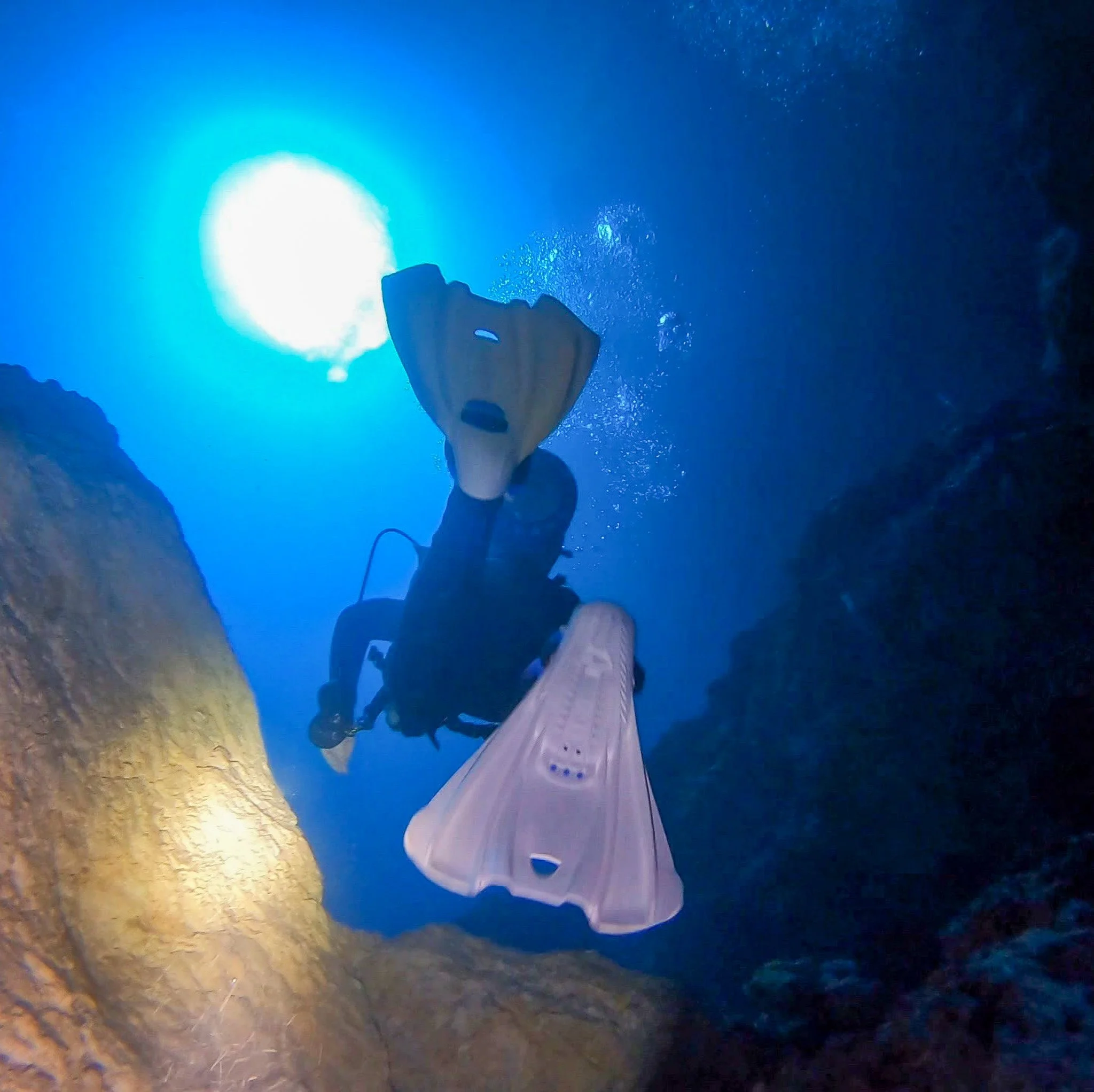
Devil's Den is unlike anything else in Florida — or really, anywhere. A prehistoric underground spring housed in a dry cave — it's one of the most striking natural environments I've ever dived. The cave sits about 50 feet below the surface, and through an opening in the earth above, natural light filters down through the water in dramatic, cathedral-like rays. It's an otherworldly scene that never gets old.
Both snorkelers and certified divers can explore the spring — the water is 72°F year-round and visibility is exceptional. It's one of the best places in Florida for newer divers to build underwater confidence in a memorable environment. The cavern averages about 30 feet deep, with some areas reaching deeper.
Blue Grotto, just down the road, is worth adding to the same day — it has a training platform at about 30 feet and excellent visibility, and the combination of both sites in a single trip makes for a full, satisfying dive day.
→ I have a full guide to diving Devil's Den here:Scuba Diving Devil's Den — Is It Worth The Trip?
Quick Hits:
Drive time: Approx. 45 minutes
Don't miss: Devil's Den Spring (divers and snorkelers), Blue Grotto (next door)
Eat + drink: Ivy House in Williston
Plan for: Half to full day depending on whether you add Blue Grotto
Ocala National Forest + Silver Springs
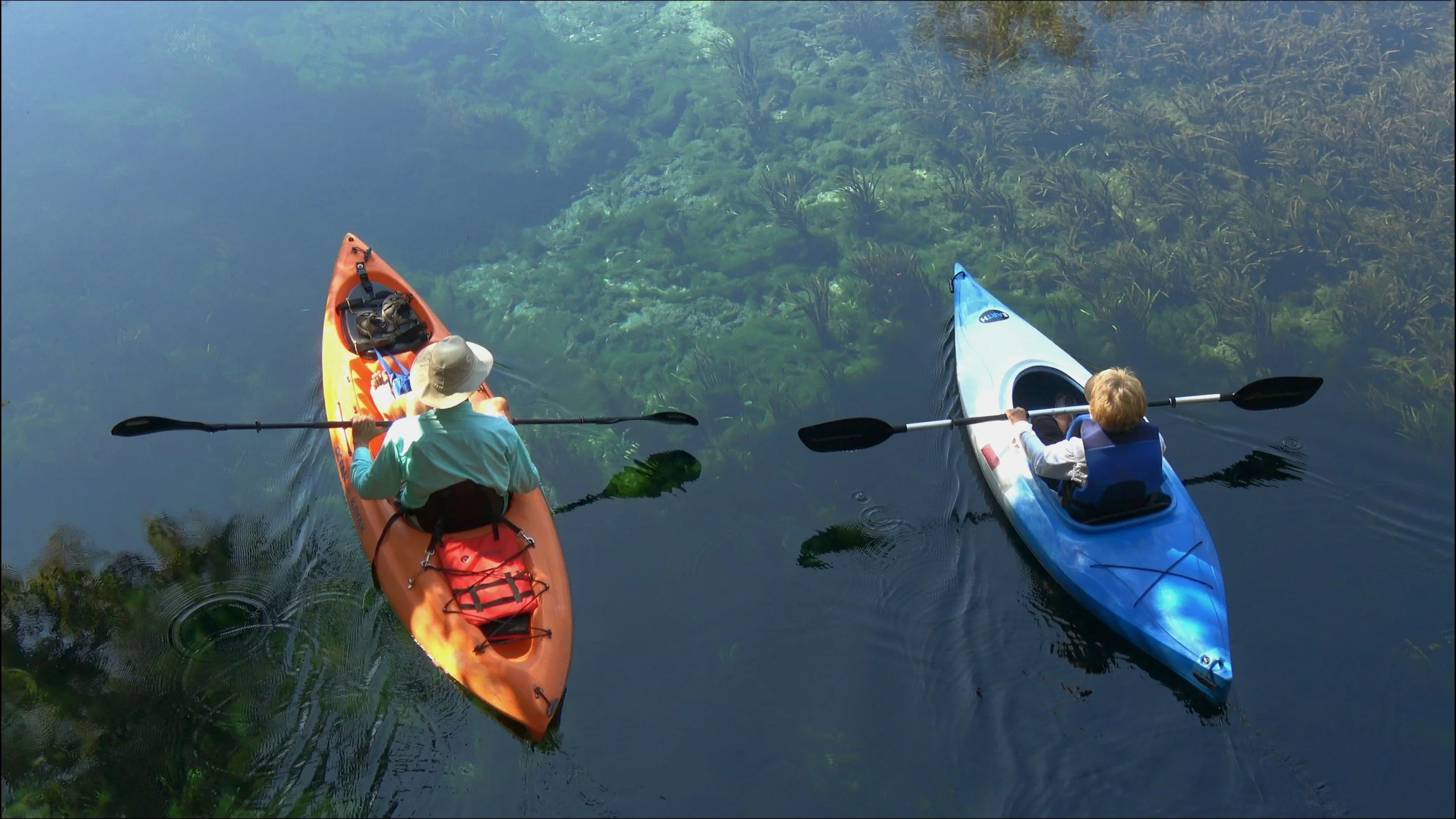
The Ocala National Forest is one of the great natural assets of north central Florida. Covering approximately 387,000 acres, it's the southernmost national forest in the continental United States — a vast expanse of longleaf pine, scrub habitat, and spring-fed rivers that supports everything from black bears to wild horses to Florida scrub jays.
Silver Springs State Park, on the western edge of the forest, is the crown jewel — and its history runs as deep as its famous glass-bottom boat tours. The main spring produces over 550 million gallons of crystal-clear water daily, making it one of the largest artesian spring systems in the world. The glass-bottom boats have been running here since the 1870s, and the experience of watching the underwater world drift by from above is captivating — and a perfect option for families at all skill levels.
For wildlife lovers, Salt Springs and Alexander Springs are beautiful spots within the forest itself. The Ocklawaha River corridor offers excellent kayaking through dramatic swamp scenery, and wild horses can sometimes be spotted in the scrub areas of the forest — a sight that stops you in your tracks.
Juniper Springs Recreation Area has one of the best canoe/kayak runs in Florida — a 7-mile paddle through narrow, spring-fed canopy that feels like a journey into another world. Reservations are recommended, and you'll need to arrange a shuttle back to your car.
Quick Hits:
Drive time: Approx. 1.5 hours
Don't miss: Silver Springs glass-bottom boat tour, Juniper Springs canoe run, wildlife watching for wild horses and black bears
Eat + drink: Brick City Southern Kitchen in Ocala (20 min from Silver Springs)
Plan for: Full day — Silver Springs in the morning, canoe run or forest drive in the afternoon
Ichetucknee Springs + Fort White
The main attraction at Ichetucknee Springs State Park is tubing — floating down the Ichetucknee River on an inner tube through some of the clearest spring water in Florida, surrounded by cypress trees, limestone outcroppings, and the kind of natural beauty that makes you understand why people fall in love with this state.
The river is fed by nine major springs and maintains a constant 68°F. The full run is about 3.5 miles and takes 2–3 hours — long enough to be a proper adventure, short enough to feel effortless. Manatees sometimes drift through in winter months, and the fish and freshwater turtles are easily visible in the crystal-clear water.
The park limits the number of tubers daily to protect the springs, so arrive early, especially on summer weekends. Tubes are available for rent, or bring your own. Non-tubers can kayak or canoe the upper section of the river, or simply swim and snorkel in the spring basin at the head of the run — the clarity and the interactive exhibits at the visitor center make it worthwhile even if you skip the tube run.
Quick Hits:
Drive time: Approx. 1 hour
Don't miss: Full tube run (arrive early for timed entry), snorkeling in the spring heads, wildlife spotting along the river
Eat + drink: Pack a picnic — dining options are limited near the park; grab food in Gainesville before you go
Plan for: Full day — tube run takes 2–3 hours, add swimming time at the springs
Amelia Island + Fernandina Beach
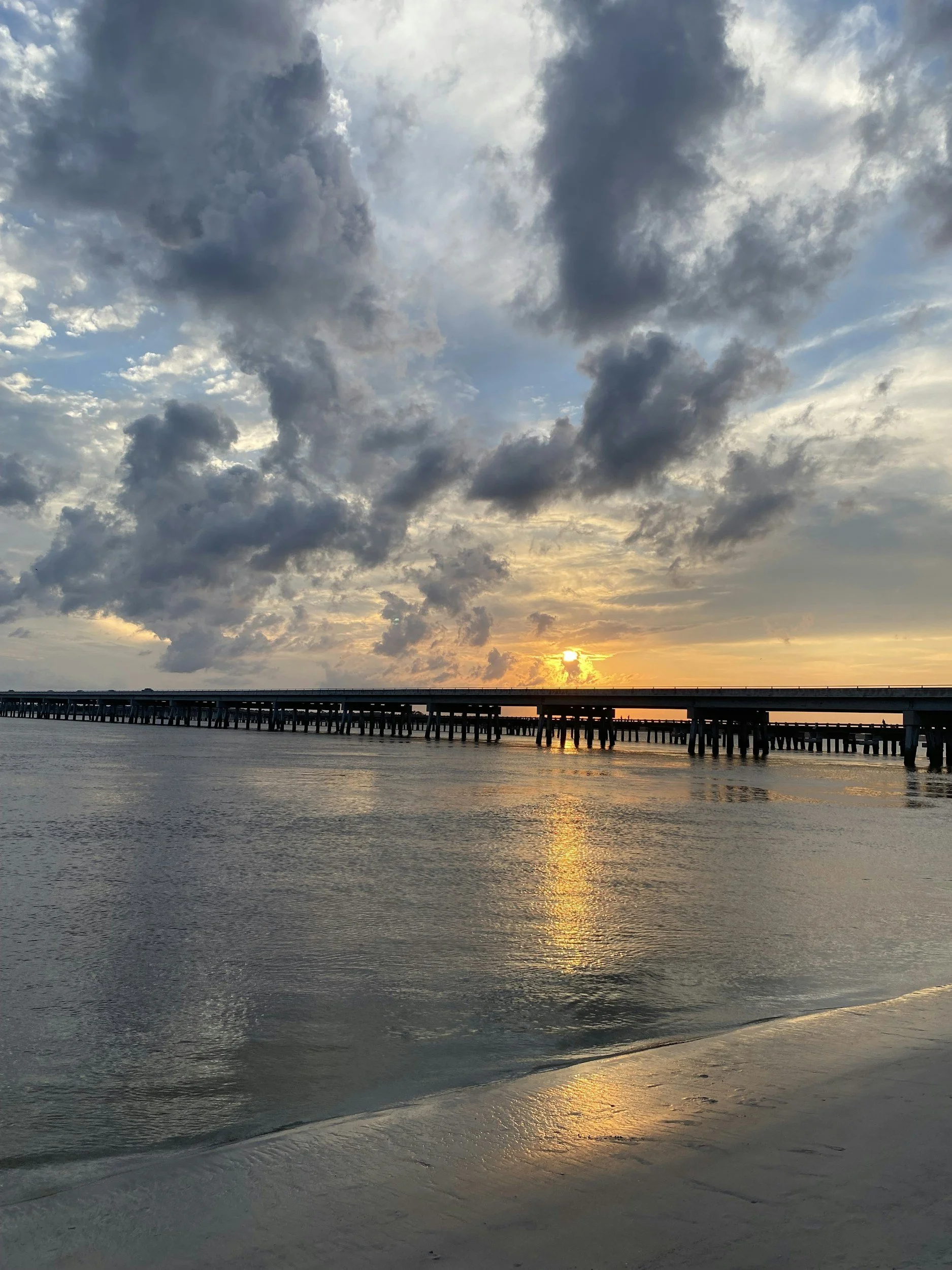
Amelia Island is Florida's northernmost barrier island, and it has a personality unlike the rest of the state's coastline. Fernandina Beach, the main town, is home to one of the best-preserved Victorian historic districts in the Southeast — 50 blocks of 19th-century architecture, independent boutiques, galleries, and excellent restaurants. It feels more like a small New England coastal town than what you picture when you think of Florida, I love the charm.
The island has changed hands under eight different flags over its history — including French, Spanish, British, and American — and that layered past is visible everywhere you look. Fort Clinch State Park anchors the northern tip of the island and is one of the most impressive Civil War-era fortifications in the South. Rangers give living history demonstrations on weekends, and the park's Atlantic beach is excellent for shelling and wildlife watching.
American Beach, on the southern part of the island, has a history as one of Florida's most significant African American resort communities during segregation — a must-visit for anyone interested in Florida's civil rights history.
The island's Atlantic beaches are beautiful — wide, uncrowded by Florida standards, and excellent for paddle boarding and kayaking in the calmer inlets and marshes on the island's western side.
Quick Hits:
Drive time: Approx. 2 hours
Don't miss: Fernandina Beach historic district, Fort Clinch State Park, American Beach, shelling on the Atlantic side
Eat + drink: Brett's Waterway Café, Le Clos, Timoti's Seafood Shak, Wicked Barley Brewing
Plan for: Full day — historic town in the morning, beach and fort in the afternoon
Kanapaha Botanical Gardens + Paynes Prairie
Sometimes the best day trip is right at home. Kanapaha Botanical Gardens is a spectacular 68-acre property in southwest Gainesville featuring one of the largest herb gardens in the Southeast, a stunning bamboo grove, Florida's largest public display of day-blooming water lilies, and gorgeous butterfly gardens. It's an incredibly peaceful place to spend a few hours, and the interactive exhibits make it a great option for families.
Paynes Prairie Preserve State Park, just south of downtown Gainesville, is one of Florida's great wildlife spectacles. The 21,000-acre basin is home to a herd of wild horses and American bison that roam freely across the prairie — descended from Spanish Colonial stock brought to Florida centuries ago. From the observation tower on the Bolen Bluff trail, you can look out over the entire basin; at dusk, sandhill cranes gather here in the thousands during winter months. The La Chua Trail offers the best wildlife viewing access and is famous for its alligator population — at times you'll count dozens.
Quick Hits:
Drive time: Within Gainesville / 20 minutes
Don't miss: Kanapaha Botanical Gardens (especially spring blooms), Paynes Prairie (La Chua Trail for wildlife, Bolen Bluff for views), Florida Museum of Natural History on the UF campus
Eat + drink: Civilization Coffee, Ward's, Emiliano's Café, Top (for the rooftop views of downtown Gainesville)
Plan for: Half day each, or combine both into a full local day
Crystal River + Homosassa Springs
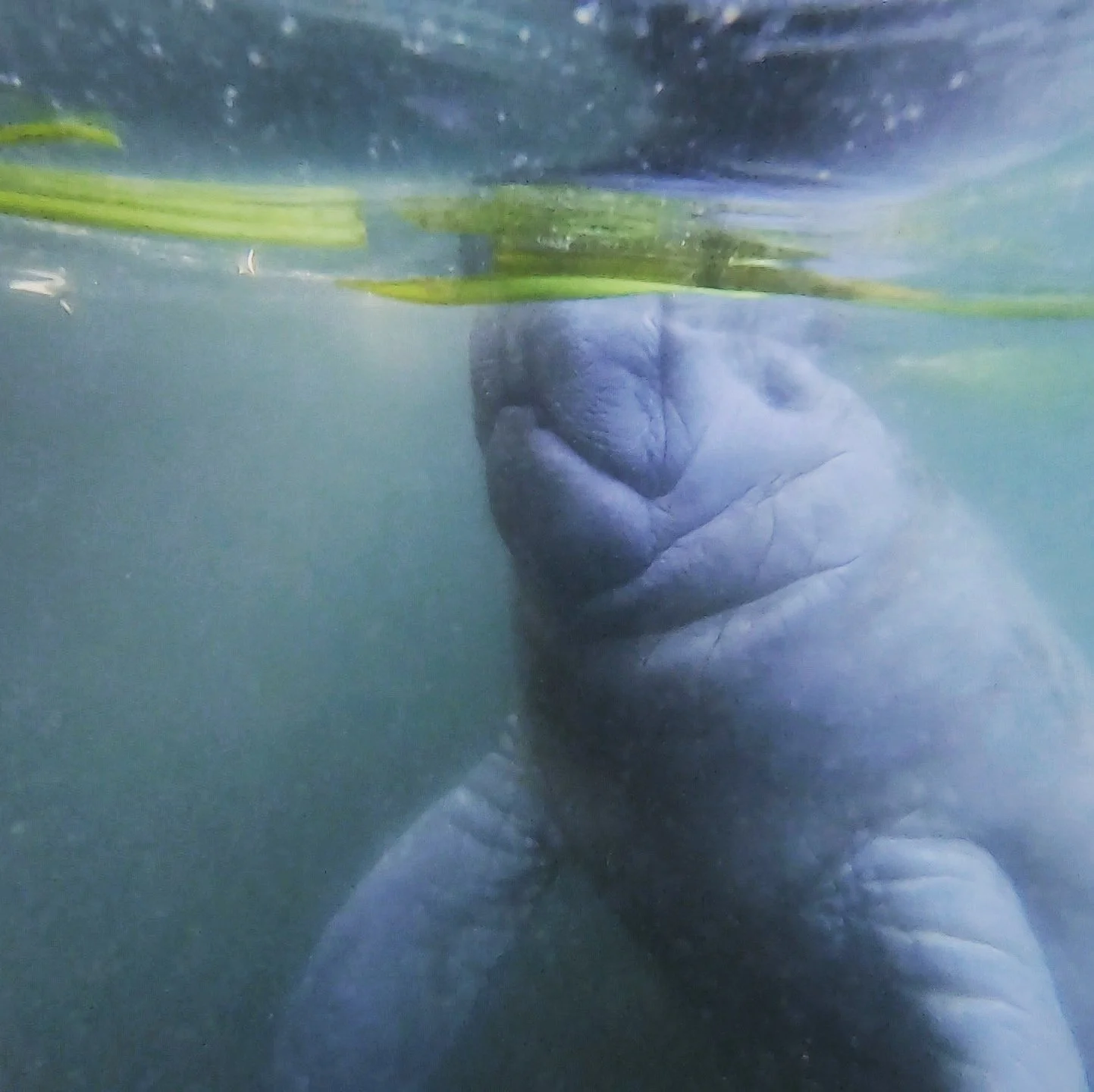
Crystal River is one of the only places in the United States where you can legally swim with wild manatees — and between November and March, hundreds of these gentle giants congregate in the warm spring waters of Kings Bay to escape the cooling Gulf temperatures. Several outfitters in town offer guided snorkel tours, and a responsible, well-guided manatee swim is worth the trip. Note that there are no guarantees of when the manatees will arrive - last time we visited around Thanksgiving and only spotted two, while there is likely to be many more at the peak of the season.
The area's springs are also exceptional for paddle boarding and kayaking — the water is extraordinarily clear, and the Three Sisters Springs (accessible by water or via a boardwalk) is one of the most photographed natural springs in the state. Blue Spring at Crystal River National Wildlife Refuge is a designated manatee refuge with its own boardwalk for non-water viewing.
Homosassa Springs Wildlife State Park, just a few miles south, is a wonderful complement — a Florida wildlife park built around a natural spring that's home to a rotating cast of native species including manatees, Florida panthers, black bears, and the park's most famous resident: Lu the hippopotamus, a non-native animal who has been granted honorary Florida citizenship and has called the park home since 1964.
Quick Hits:
Drive time: Approx. 1.5 hours
Don't miss: Manatee snorkel tour (Nov–March), Three Sisters Springs by kayak, Homosassa Springs Wildlife State Park, Crystal River National Wildlife Refuge
Eat + drink: Charlie's Fish House Restaurant, The Freezer Tiki Bar
Best season: November through March for manatees
Plan for: Full day — wildlife tour in the morning, paddling or wildlife park in the afternoon
Dudley Farm Historic State Park + North Central Florida Loop
For a day that feels off the beaten path, the Dudley Farm Historic State Park in Newberry is one of Florida's most underrated historic sites. This is a fully functioning 1800s-era farm — still worked using period methods and equipment — with 18 original historic buildings set on over 300 acres. It's a living look at early 1900s farm life in north central Florida, and the interpretive programs on weekends bring it all to life in a way that sticks with you.
Pair it with a drive through the agricultural heart of north central Florida — this region is a world away from the Florida of theme parks and beach towns. Live Oak, about an hour north, has a quiet, authentic downtown worth a stop, and the Suwannee River State Park nearby offers excellent hiking and kayaking on the famous Suwannee River, which cuts through dramatic limestone bluffs en route to the Gulf.
Cross Creek, about 20 minutes southeast of Gainesville, is where Pulitzer Prize-winning author Marjorie Kinnan Rawlings wrote The Yearling — her home is now preserved as a state historic site and offers guided tours that paint a vivid picture of Florida's rural past.
Quick Hits:
Drive time: Approx. 30 minutes (Newberry)
Don't miss: Dudley Farm Historic State Park (especially on living history days), Cross Creek / Marjorie Kinnan Rawlings Historic State Park, Suwannee River State Park
Eat + drink: White Springs (Sweet Shop on the river), Small town diners along the route
Plan for: Full day — combine 2–3 stops for a north Florida heritage loop
Planning Your Day Trips: A Few Practical Notes
A few things worth knowing before you go:
Combine strategically. Several of these pair naturally: Crystal River and Homosassa are minutes apart. Cedar Key can extend easily into a weekend with Ginnie Springs, Devil's Den or Crystal River as a day trip from the island.
Arrive early at the springs. Ichetucknee, Ginnie Springs, and Devil's Den fill up quickly on summer weekends. Arriving at opening makes the difference between a perfect day and being turned away at the gate.
Download offline maps. Cell service is spotty in the Ocala National Forest and along some of the routes to Cedar Key and Crystal River. Download your maps before you leave Gainesville.
Reserve what matters. Manatee snorkel tours in Crystal River book weeks out during peak manatee season (November through March). Cedar Key golf carts fill up fast on holiday weekends.
North Florida rewards the people who leave the obvious tourist trail. Every destination on this list has something worth the drive — and most visitors to Florida never make it here at all. That's their loss, and your opportunity.
FAQs
How far are these day trips from Gainesville? These day trips range from approximately 20 minutes (Kanapaha/Paynes Prairie) to 1.5 hours each way from downtown Gainesville.
Where should I stay in Gainesville? Gainesville has a selection of mid-range hotels. If you're looking for an option that is conveniently located near downtown amenities, I'd go with the AC Hotel or Hyatt Place. If easy access to the highway is your priority, go with the Hotel Indigo or Staybridge Suites.
What is the best day trip from Gainesville for families? Silver Springs State Park and Ichetucknee Springs are both excellent family options. Silver Springs' glass-bottom boat tours are accessible for all ages, and the Ichetucknee tube run is pure fun from ages 5 to 95.
What is the best time of year for day trips from Gainesville? Spring (March–May) offers comfortable temperatures and beautiful wildflower blooms. Winter (November–March) is the best season for manatee sightings at Crystal River. Summer is peak season for springs tubing and swimming. Fall offers thinner crowds and still-warm water temperatures.
Where can you swim with manatees near Gainesville? Crystal River, about 1.5 hours southwest of Gainesville, is one of the only places in the United States where you can legally swim with wild manatees. Guided snorkel tours run from November through March, when manatees gather in Kings Bay to find warm spring water.
What is the best day trip from Gainesville for history? St. Augustine is the clear winner — as the oldest city in the United States, it offers more historic sites per square mile than almost anywhere in the country. For Florida-specific history, Dudley Farm Historic State Park and Cross Creek (Marjorie Kinnan Rawlings' home) are both wonderful and less crowded.
What are the best nature day trips from Gainesville, FL? Gainesville is surrounded by some of the best nature in the state. The freshwater springs alone are worth the trip — covered in depth in the FAQ below — but beyond the springs, Paynes Prairie Preserve State Park is practically in your backyard, with wild horses, bison, and alligators roaming a 21,000-acre basin. Further out, the Ocala National Forest offers approximately 387,000 acres of trails, springs, and some of the best kayaking in north central Florida — and Crystal River puts you in the water with wild manatees between November and March.
What are the best springs near Gainesville, FL? North central Florida has one of the highest concentrations of freshwater springs in the world, and Gainesville sits at the center of it. Ginnie Springs in High Springs (~45 minutes) is one of the most iconic freshwater dive sites in the country, with visibility regularly exceeding 100 feet. Devil's Den in Williston (~45 minutes) is a prehistoric underground spring housed in a dry cave — stunning for both divers and snorkelers. Ichetucknee Springs (~1 hour) is the best tubing experience in the state, fed by nine springs and running through pristine cypress forest. Within the Ocala National Forest, Juniper Springs, Alexander Springs, and Salt Springs are all worth adding to a longer springs day.
Hi, I’m Jess
I’m here to help you plan epic adventures. If you’re looking for authentic travel guides that mix luxe lodging and incredible dining with out of this world hikes and adventures, you’re in the right place.

Your complete guide to the best time to visit the Isle of Skye