Scuba Diving at Ginnie Springs: A Complete Guide
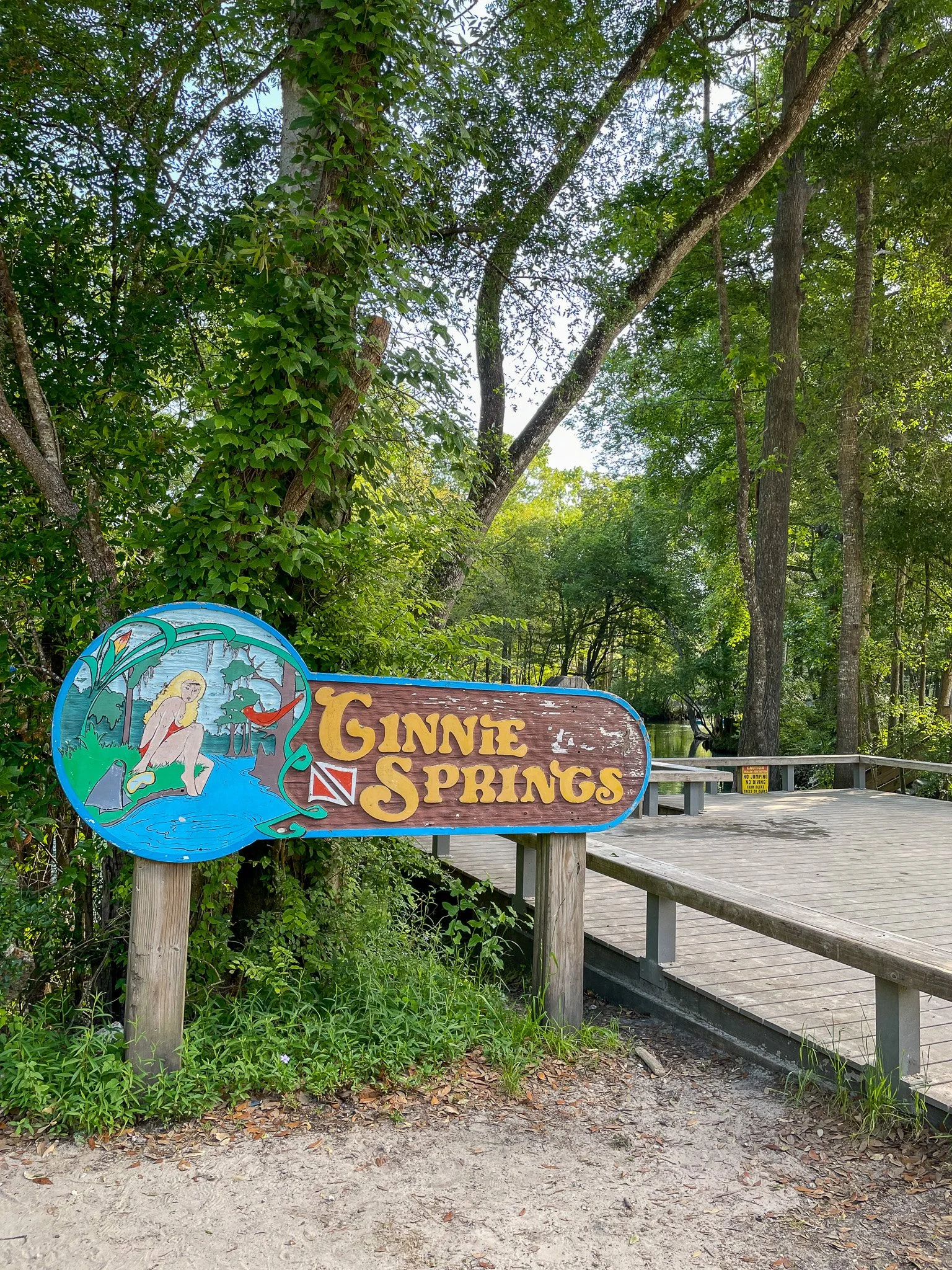
What Is Ginnie Springs?
Tucked away in the limestone heart of north-central Florida, Ginnie Springs is one of the most iconic freshwater dive sites in the world — and if you're a diver, it absolutely belongs on your bucket list.
Ginnie Springs is a privately owned park situated along the Santa Fe River in High Springs, Florida. It sits atop an extensive underwater cave system, making it a premier destination for both open water divers and cave-certified divers. The property encompasses seven springs in total, each with its own character, but the real draws for divers are the Ginnie Spring Ballroom and the Devil's Spring System — more on those below.
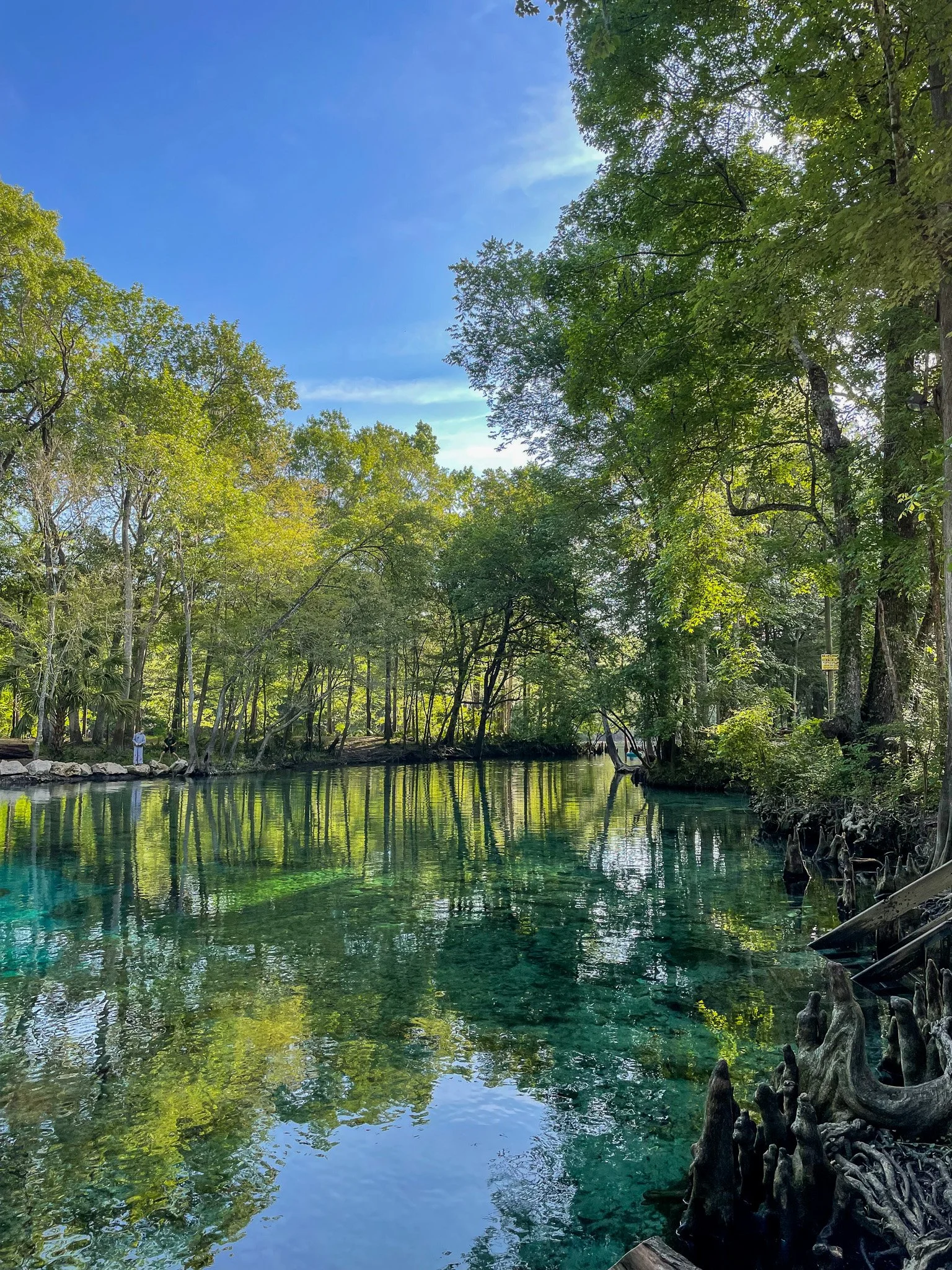
What sets Ginnie Springs apart from your typical dive site isn't just the crystal-clear waters or the fossil beds lining the cavern walls. It's the feeling of diving somewhere that looks and feels prehistoric. The site is flanked by ancient rock formations and fossil-rich limestone that tells the story of Florida's Pleistocene age — long before the state looked anything like it does today.
Whether you're a recreational diver, a snorkeler, or someone considering full cave certification, Ginnie Springs offers something rare: an unforgettable adventure that rewards every skill level.
Where Is Ginnie Springs?
Ginnie Springs is located at 7300 NE Ginnie Springs Road, High Springs, Florida 32643, in the Gulf Coast region of north-central Florida.
It's easily accessible from several major cities:
Gainesville, FL — approximately 30 minutes southeast
Jacksonville, FL — approximately 1.5 hours northeast
Orlando, FL — approximately 2 hours south
Tampa, FL — approximately 2.5 hours southwest
The park is privately owned and operated with defined hours, an entrance fee, and full amenities on-site. It's a true destination — not just a pull-off on the side of the road. Plan accordingly, especially if you're traveling in from central Florida or the Gulf Coast.
This post contains affiliate links. I may earn a small commission if you book through them, at no extra cost to you.
My Experience at Ginnie Springs
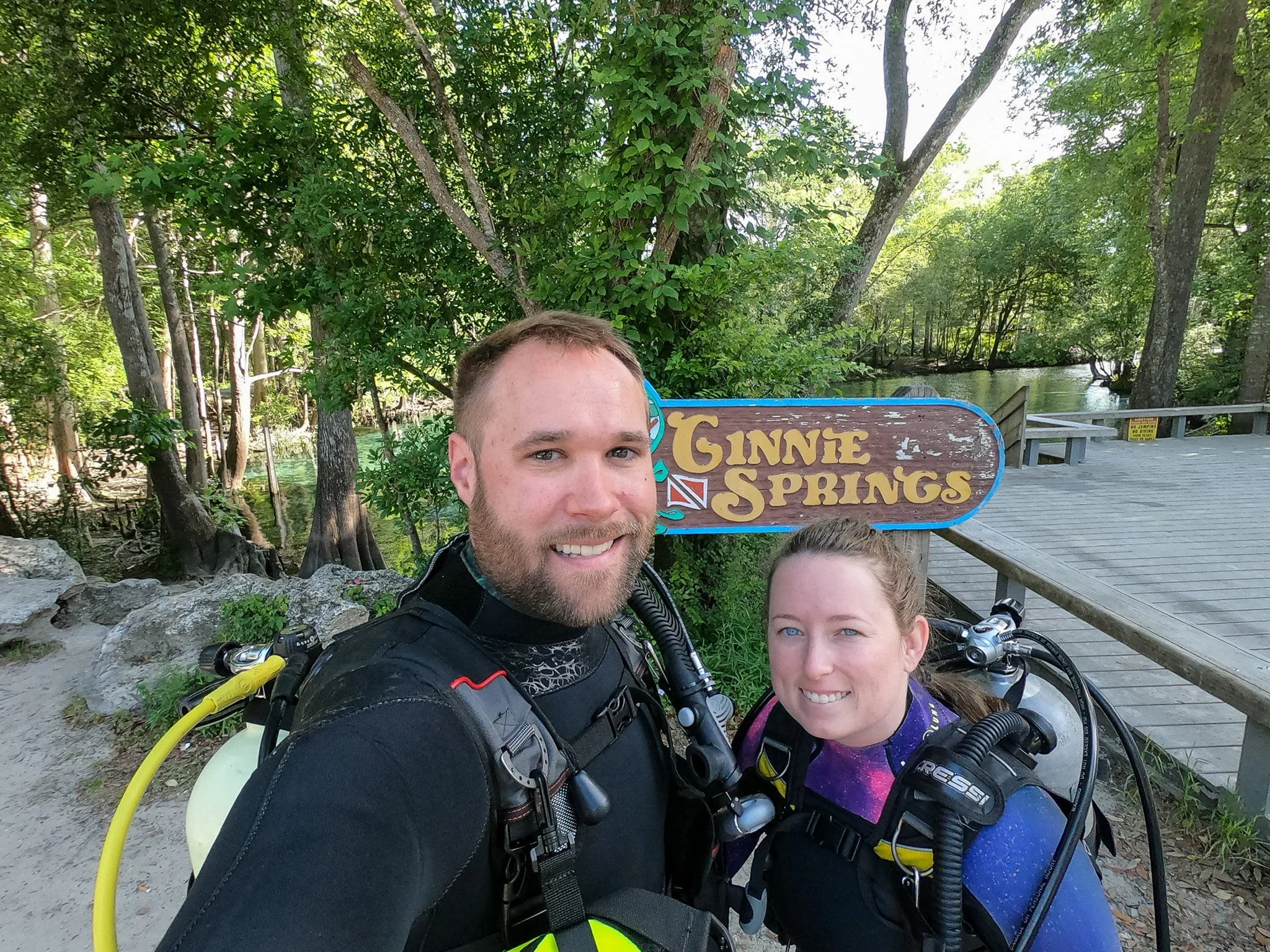
My memories of visiting Ginnie Springs go back to a childhood visit in the 90's. My dad loved the springs and I'm certain that trip was an elaborate ruse to pique my interest in eventually getting certified to dive here when I was older. It worked.
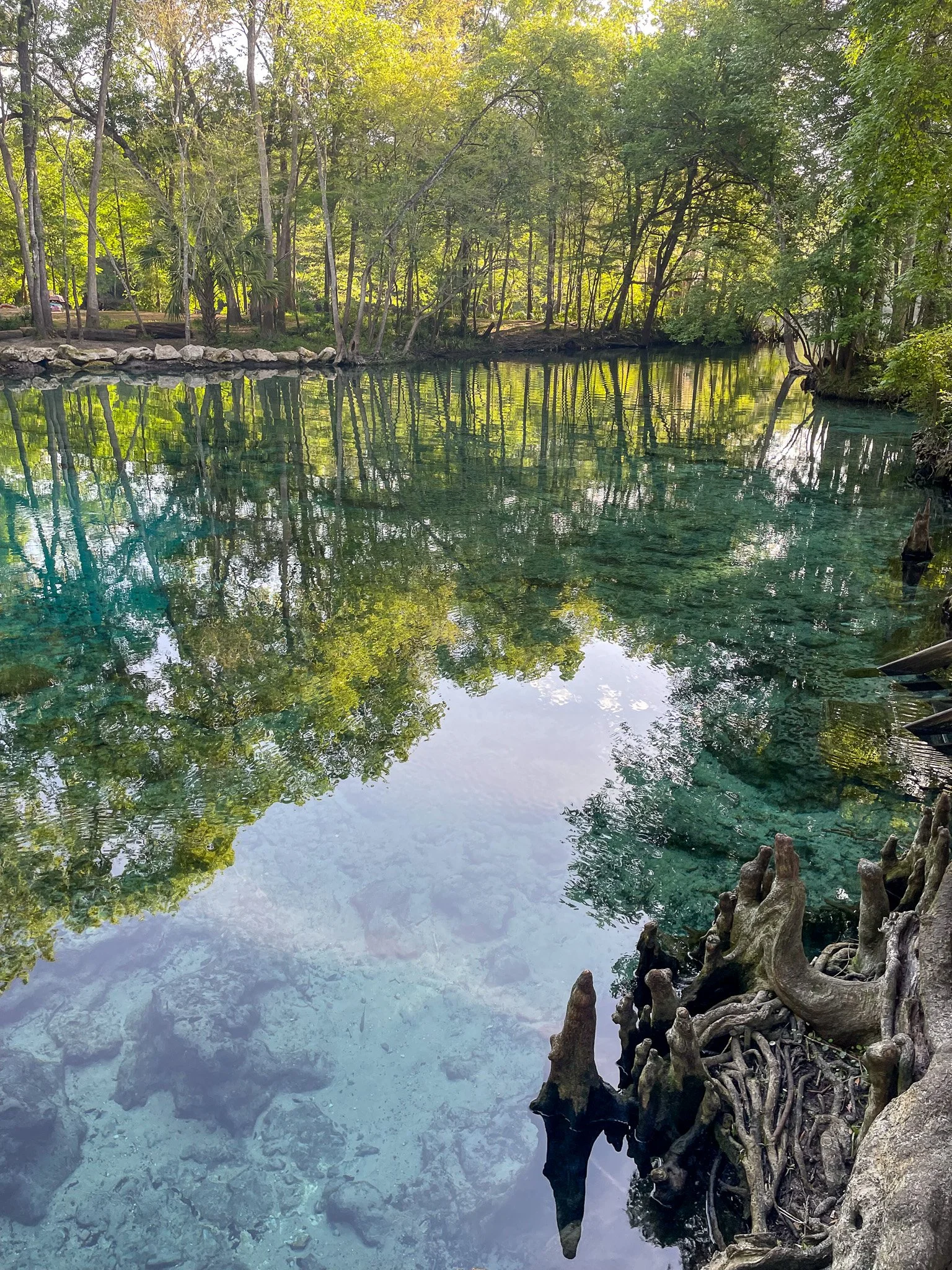
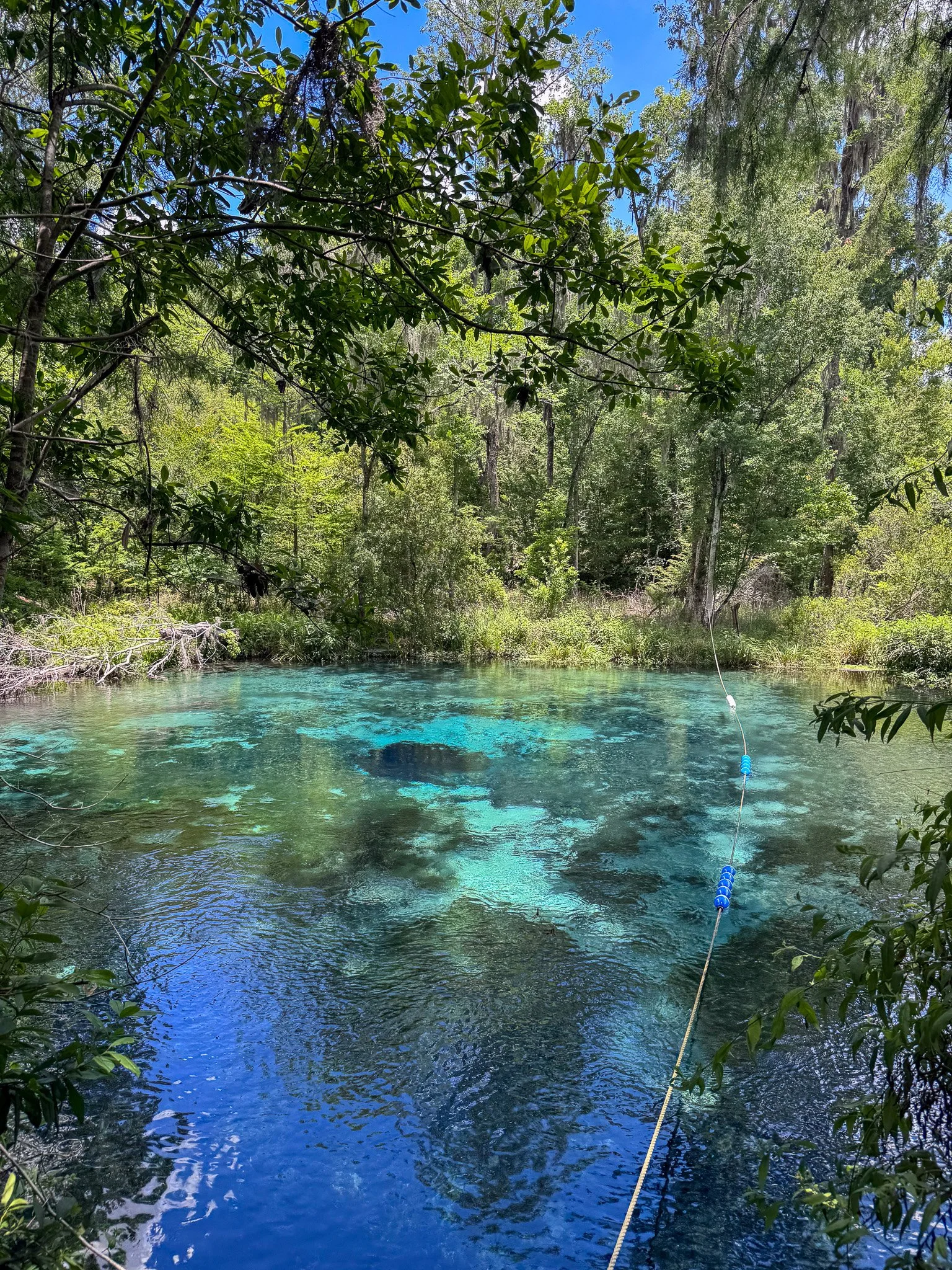
On that first visit, we spent time snorkeling around the main basin at Ginnie Spring and floating face down with my snorkel in the Santa Fe River - I was mesmerized by the visibility and vibrant blues and greens from the tannins in the river water.
Unfortunately, I didn't get certified to dive until after my dad passed away, so my first trip to dive here without him physically by my side was a little bittersweet (his dive cert card accompanies me on every dive). My first return trip was a learning experience to say the least - what in the world do we do with our car key fob, what is the best order to do the dives in, why is it so dark? Now that we've done it a few times, we have a good system in place and solves for all of these questions.
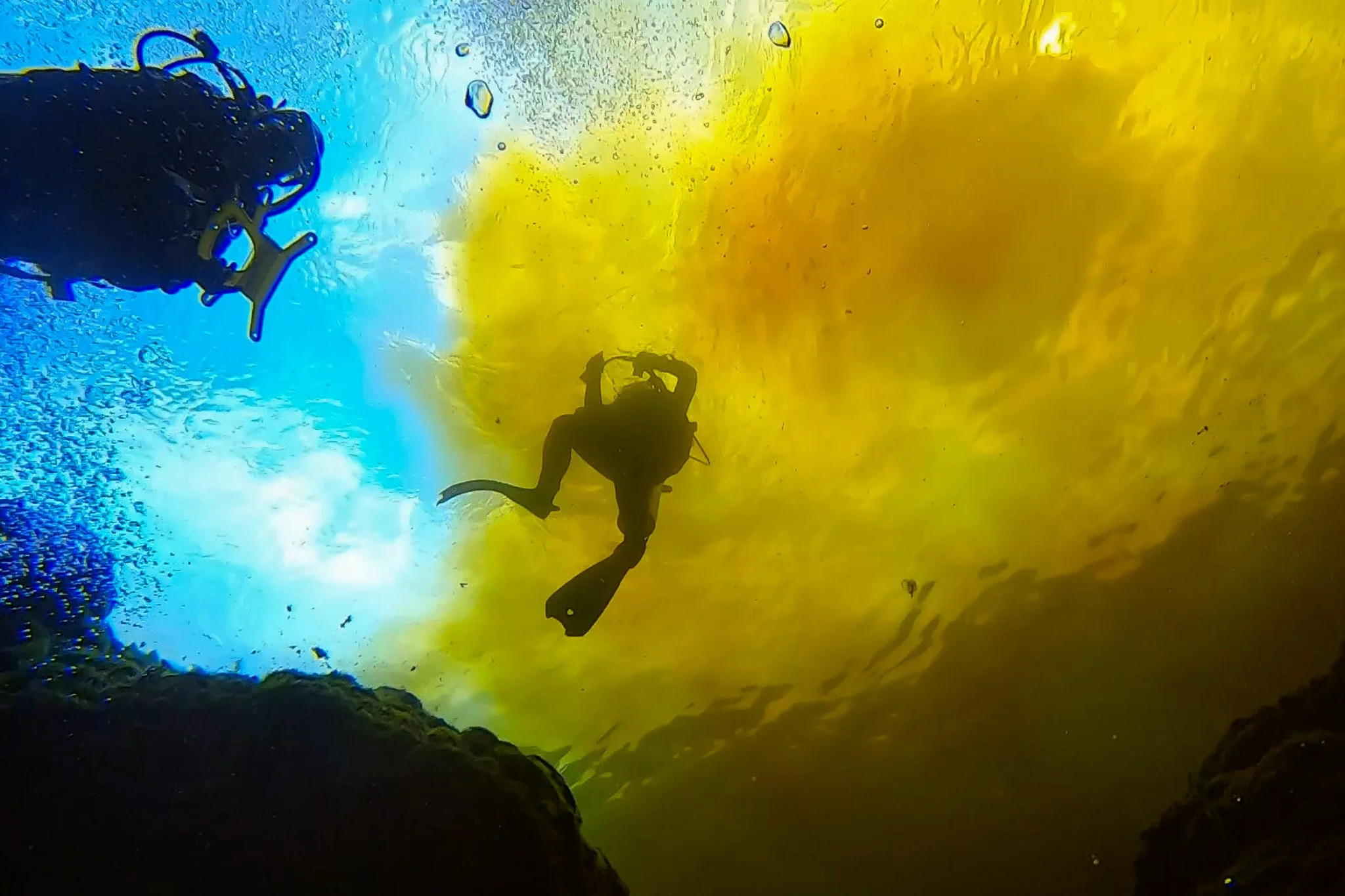
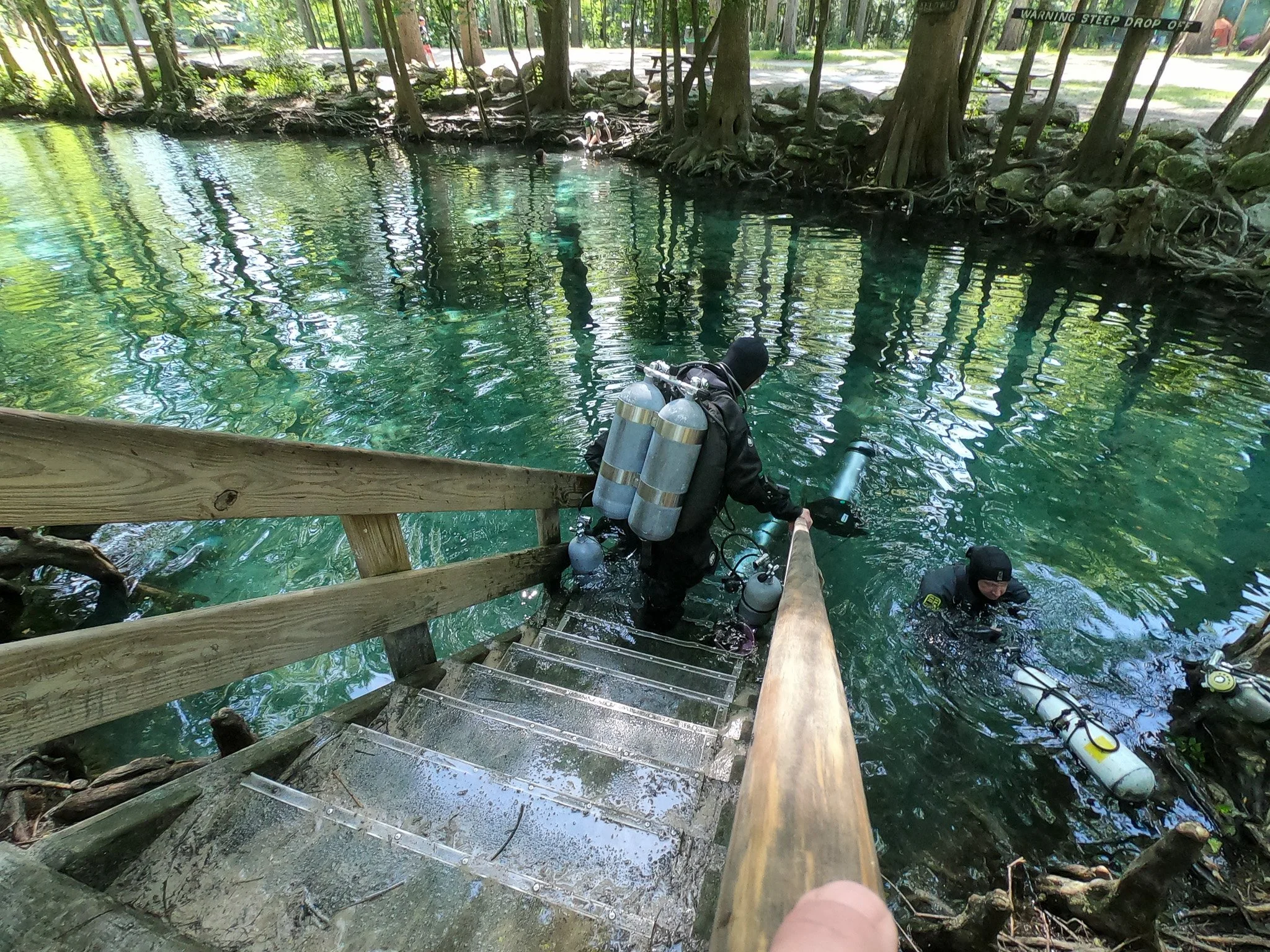
I like starting with the Devil's Spring system. This front loads your visit with the longest walk of the day — brutal in a 3mm wetsuit with a BC and tank on your back in the Florida heat, but from there, your day unfolds at a relaxed dive pace. The cool water is incredibly refreshing on a hot day as it fills your wetsuit. From here we dive the spring in order Devil Spring ("Little Devil") → Devil's Eye → Devil's Ear, more on each of these springs below. Devil's Ear sits at the mouth of the Santa Fe River - from within the cavern, be sure to look up. The mixture of fresh spring water with the river tannins creates an almost stained glass effect that I'm awed by on every visit.
From here, we enjoy a relaxing float down the Santa Fe River. Personally, I find that there is too much river grass in this section to really enjoy as a drift dive but it is technically an option.
We finish our dive day with exploring the Ballroom at Ginnie Spring. The wide mouth of the spring is a stunning blue, and surrounded by lush vegetation. A wide, sandy basin sitting about 20 ft below the surface welcomes you to the cave entrance. I like to sit here taking it all in - it feels like something you'd see in an Indiana Jones movie and worth taking the time to appreciate the beauty. As you enter the cave, follow along the permanent guideline to start. Let me just say, it is DARK once you get past the section of cavern that the natural light hits and I have cut this section short due to a flashlight that simply did not cut it in here. I can now say with confidence that I have zero personal interest in going further — but I fully understand the pull for those who do. While I have no interest in going beyond the Ballroom, I do love to pull up to the gate that separates it from the extensive cave system beyond to feel the “in-your-face” force of the 35 million gallons of water that pass through the opening daily.
My Recommendations
As a certified diver who has explored these springs a handful of times, here's what I'd tell anyone planning a trip to Ginnie Springs:
Find parking near the main Ginnie Spring but then...
Start with the Devil's Spring System then move to the Ballroom - This recommendation is particularly for open-water certified divers who won't be exploring the cave system. Move through each of the Devil's Spring System drop-ins then drift dive or inflate your BC and enjoy a nice float down the Santa Fe River to the Ballroom entrance.
Arrive early The park is often crowded on weekends and holidays; arrive early to reduce wait times at check-in or even risking being turned away due to park capacity.
If you can, visit on a weekday — visiting mid-week gives you noticeably better conditions. This matters not just for parking but for visibility — fewer visitors means less disturbed silt.
Bring your own wetsuit — and go thicker than you think. Even in summer, a full 3mm to 7mm wetsuit is recommended for open water divers. The water temperature is a constant 72°F year-round.
Bring a dive light to the Ginnie Ballroom. The Ginnie Ballroom is the only spring in the system where open water divers may carry a light — and you'll want one to explore the many crevices in the big room. Make sure it's fully charged before you pack it in your dive bag.
For the Devil's Spring System, respect the no-lights rule. Only certified cavern or cave divers may enter the Devil's Spring System carrying dive lights.
Fill out your dive waiver online before you arrive. Ginnie Springs offers the option to fill out your dive waiver online before arrival which saves time at check-in — especially on busy days.
Cave Country Dive Shop in High Springs is worth a stop before or after your dive. It's a short drive from the park and well-stocked for both recreational and technical diving needs, with knowledgeable staff who know these springs inside and out.
As a travel advisor, I can help you build a full itinerary around your Ginnie Springs trip — including where to stay and which springs to pair it with. Reach out if you'd like help planning.
Devil’s Ear - Ginnie Springs
What to Expect at Ginnie Springs
The Dive Sites
Ginnie Springs has three primary diving areas, each suited to different certification levels:
The Ginnie Ballroom is the most accessible of the dive sites and the best starting point for open water divers. The spring basin has a maximum depth of 20 feet and an average discharge of approximately 35 million gallons of water each day. For certified divers, there is a large cavern called the Ballroom with a maximum depth of 50 feet. A permanent guideline runs through the cavern, and the cave system beyond the cavern is blocked with a gate to prevent divers from entering beyond the light zone. Open water certified divers may explore the Ballroom with a flashlight - this is the only cavern at Ginnie Springs where they may do this.
The Devil's Spring System is made up of three springs: Devil's Eye, Devil's Ear, and Little Devil, which together produce approximately 80 million gallons of fresh aquifer water daily. This is cave diving territory.
Little Devil is four-foot-wide canyon-like fracture at the head of the Devil’s Spring System run. It is 50 feet long and almost as deep.
Devil's Eye is a small, circular spring about 15 feet deep with a cavern entrance around 60 feet down — open water divers should stop at the warning sign where natural light ends.
Devil's Ear is a canyon-like opening where the spring run meets the Santa Fe River, with a strong outflow current. Here, spring water mixes with the river tannins to create a stunning visual display.
The Santa Fe River offers drift diving for those who want a more relaxed experience between cavern dives — clear spring water flowing into the river with surprisingly good visibility and the occasional ancient fossil.
Water Conditions
Visibility: Regularly exceeds 100 feet — the park itself advertises "visibility forever." Rain events on the Santa Fe River can temporarily affect surface conditions at Devil's Ear, but the springs themselves are among the last in the area to lose clarity.
Water temperature: A consistent 72°F year-round
Current: Present at all sites, strongest at Devil's Ear and in the Santa Fe river (based on my open water experience)
Depth: The Ginnie Ballroom reaches a maximum of about 50 feet. The Devil's Spring System caverns go to around 60 feet, with the cave passages extending well beyond.
Facilities
Ginnie Springs is a well-maintained private park with solid amenities for a dive destination:
Restrooms and showers on-site
123 water and electric campsites, plus primitive camping on a first-come, first-served basis
Full-service dive shop with air fills and rental equipment (call ahead to confirm availability during peak season)
Picnic tables and open spaces throughout the property
What to Bring
Wetsuit (3mm–7mm): The water is a constant 72°F year-round. Choose the best thickness for you based on your tolerance and skill level (ie, open water vs. cave). This is the one I use.
Dive gear: If you have your own, bring it. Rental gear is available, if needed. We have always rented tanks without issue.
Underwater camera: With visibility this good, it would be a shame not to. We opt for a GoPro.
Dive light: Required for the Ginnie Ballroom; only permitted for certified cavern/cave divers at the Devil's Spring System.
Snorkel gear: Worthwhile for non-divers in your group — the visibility makes surface snorkeling here impressive. This is a great starter set.
Your certification card: Ginnie Springs checks. No exceptions.
Dive waiver: Fill it out online before you arrive to save time.
Combination Magnetic Key Box: One of the biggest challenges we faced on our first trip to Ginnie Springs was figuring out what to do with your car keys while we dove. This magnetic combo key box can attach under the car to store your fob for safe keeping while you're in the water.
Water & Snacks or a picnic lunch: There are ample picnic areas, including grills throughout the park. Pack a cooler and grill some hot dogs during your surface interval
Sunscreen: You won't need it in the caverns but you'll want it during your surface interval or after your dive
Towel & Dry Clothes: I always pack this microfiber towel and a change of clothes. Ginnie Springs has showers so you can rinse off before the ride home.
Dive Flag/Float: Required if you plan to drift dive down the Santa Fe river (also available for rent)
Is It Worth It?
Let me put it this way: Ginnie Springs is the kind of place that shows up on divers' bucket lists for a reason, and it delivers on the hype.
For open water divers, the Ginnie Ballroom offers an overhead environment experience without requiring additional certification. The cavern is spacious, well-marked with a permanent guideline, and visually stunning — ancient fossil beds embedded in the walls, dramatic limestone architecture, and visibility so clear it barely feels like water. If you are considering a cave diving certification, this is a great place to test the waters (pun intended).
For cave-certified divers, this is a pilgrimage site. The Devil's cave system is considered one of the premier dive destinations in the country, and the underwater passages reward multiple visits. All of the cave divers we spoke to raved about their experience.
For snorkelers and non-divers, the spring water is clear enough that surface snorkeling and free diving reveals a surprising amount, and the surrounding area with its cedar woods and natural landscape is beautiful to spend a day in.
The entrance fee is reasonable for what you get. The park is well-maintained, year-round diving access means there's no bad season to visit, and the combination of beginner-friendly cavern diving and world-class cave diving under the same roof is rare. Worth it — without question.
FAQs About Ginnie Springs
Can you snorkel at Ginnie Springs?
Yes — snorkeling is allowed and it's a great option for non-certified swimmers or anyone in your group who isn't diving. The spring water clarity means even surface snorkeling and free diving offers impressive views, particularly at the Ginnie Spring basin.
Where should I stay near Ginnie Springs?
You have a few good options:
On-site camping is the most convenient choice, especially if you're doing multiple dives or a night dive. Ginnie Springs offers 129 water and electric campsites and allows primitive camping on a first-come, first-served basis. Full hookups are available. It fills up on weekends, so book ahead.
High Springs, FL is just a few minutes away and has some lodging and local dining — including Cave Country Dive Shop, worth a visit for gear and local knowledge.
Gainesville, FL, about 30 minutes away, offers the most hotel variety and amenities. A solid base if you're combining Ginnie Springs with other north Florida springs on a longer trip.
It's a bit further drive-wise, but we always stay in Cedar Key, FL. It is a quaint island community that still has Old Florida vibes. Worth the drive in my opinion. → Check out my guide to Cedar Key for more on this unique island destination.
As a travel advisor, I'm happy to help you find accommodations and build out the logistics around your trip — reach out anytime.
Can I night dive at Ginnie Springs?
The park is open seven days a week from 8 a.m. to midnight, with the dive shop filling tanks until 7 p.m. on weekdays, 10 p.m. on Fridays and Saturdays, and 8 p.m. on Sundays. Night dives are possible for certified divers who have completed at least one dive during daylight hours.
Do I have to be cave certified to dive at Ginnie Springs?
No — but your certification level determines what you can access:
Open water divers can dive the Ginnie Spring basin and enter the Ginnie Ballroom cavern. They can also explore the Devil's Spring System caverns up to the point where daylight ends — but must stop there.
Full cave-certified divers can explore the cave system beyond the light zone, including the full Devil's Ear passage system.
The cave system is not a place to improvise. If accessing the full cave system is on your radar, cave certification training is the path — it's one of the most rewarding progressions in the sport.
Are there similar dive sites nearby?
North-central Florida is one of the best regions in the world for freshwater and cave diving. Worth adding to any Ginnie Springs itinerary:
Blue Grotto (Williston) — a popular cavern dive with a training platform and excellent visibility, close enough to pair with Devil's Den in a single day
Devil's Den Spring (Williston) — a prehistoric underground spring in a striking natural setting; Blue Grotto and Devil's Den are next door to each other. Check out my full guide to diving Devil’s Den for more.
Ichetucknee Springs — beautiful for snorkeling and tubing, easy to add as a half-day
Manatee Springs State Park (Chiefland) — a dedicated spring dive site with good manatee sighting potential in winter months
Troy Springs — another Santa Fe River spring worth exploring
Planning a multi-site Florida springs diving trip? That's exactly the kind of itinerary I love putting together for clients. Let me know and I can map out the whole thing.
What is the entrance fee at Ginnie Springs?
Fees are subject to change and vary depending on whether you're cave diving, open water diving, snorkeling, or visiting without getting in the water. Always confirm current pricing directly with the park before your visit, as rates are updated periodically.
Is Ginnie Springs good for first-time divers?
For newly certified open water divers, Ginnie Springs can be a wonderful experience but buoyancy control matters here more than it does in some of the other freshwater dive sites nearby, especially inside the Ballroom. That said, the Ginnie Spring basin is one of the best training environments in Florida for building underwater comfort. If you're a newly certified diver and want help planning your first springs trip, feel free to reach out — I'm happy to point you in the right direction.
Are there manatees at Ginnie Springs?
Manatee sightings do occur at Florida springs, particularly in winter when these gentle animals seek out the warm, stable spring water as Gulf Coast temperatures drop. Manatee Springs State Park in Chiefland or Crystal River to the south are worth adding to your itinerary if manatees are a priority. At Ginnie Springs itself, sightings are possible but not predictable.
What is the best time to visit Ginnie Springs?
The water conditions are consistent year-round, so this is really about surface weather, crowds, and what else you want to experience:
Spring (March–May): Comfortable air temperatures and beautiful surroundings. Spring break brings crowds.
Summer (June–August): Peak season — the park sees the most visitors, especially on weekends. Arrive early or plan a weekday visit.
Fall (September–November): Arguably the best balance of good weather, thinner crowds, and pleasant conditions both above and below the water.
Winter (December–January): The quietest time to visit, with the best chance of manatee sightings. Cold mornings on the surface are offset by the constant spring water temperature below.
Weekdays are consistently better than weekends regardless of season.
How much time should I plan for a visit?
Plan a half day minimum. Between driving in, checking in, kitting up, completing two to three dives across different sites, drying off, and grabbing food, a day trip fills up fast. If you're doing a night dive or want to explore the Santa Fe River, plan for a full day.
Are there showers and restrooms on-site?
Yes — both are available. After a few dives in 72°F water, the showers are very much appreciated. Facilities are well-maintained for a park of this type.
Can I bring my own gear and tanks?
Yes, privately owned scuba equipment is welcome, and the on-site dive shop offers air fills. Call ahead to confirm fill availability during peak season. All non-annual pass divers must register at the office no later than 5 p.m. (4 p.m. in winter), pay applicable diving fees, and sign a waiver.
Planning your Ginnie Springs trip or looking to explore more of Florida's spring country? As a certified diver and travel advisor, I'd love to help you put together an itinerary that makes the most of your time — whether it's your first springs dive or your twentieth.
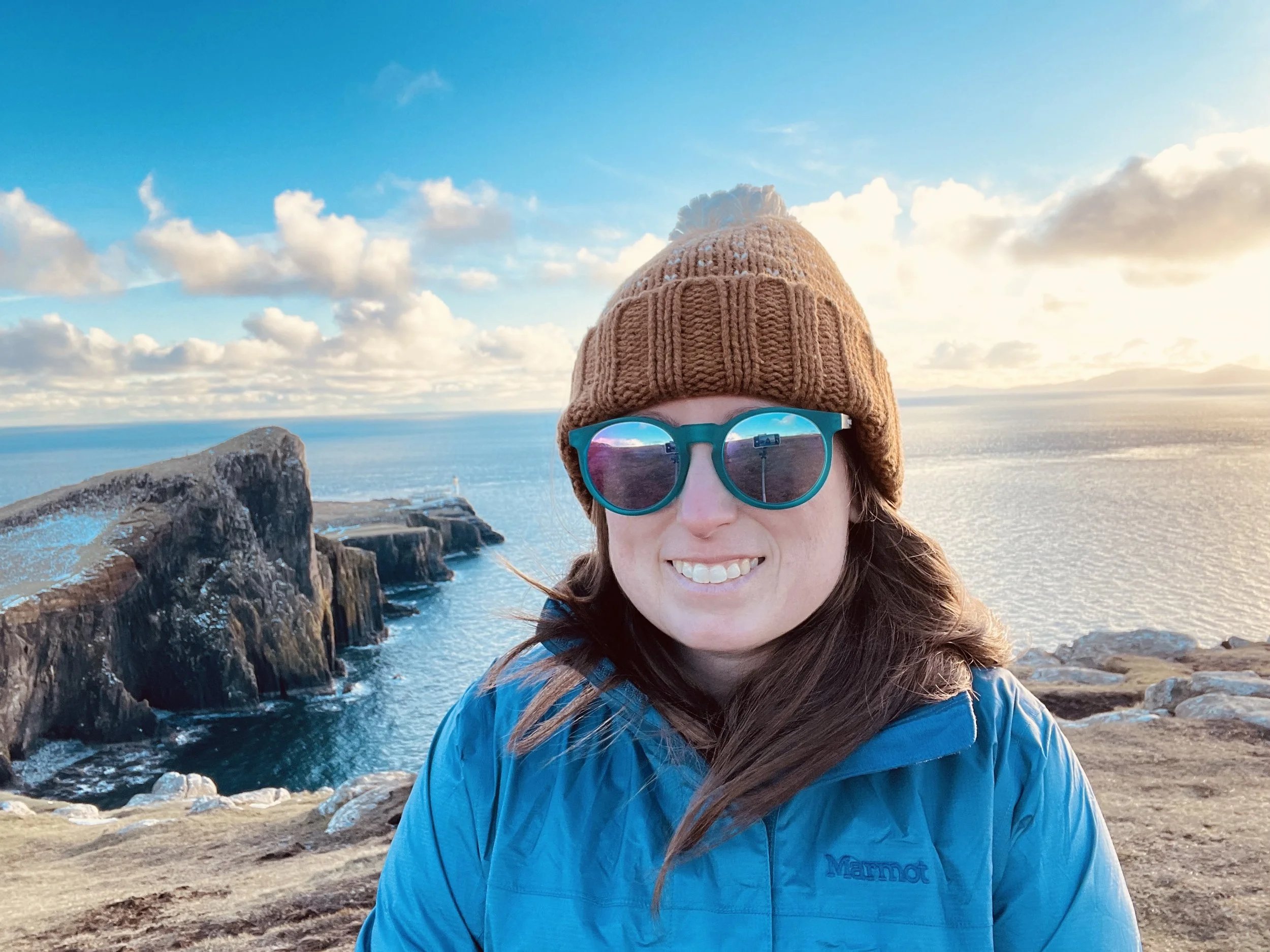
Hi, I’m Jess
I’m here to help you plan epic adventures. If you’re looking for authentic travel guides that mix luxe lodging and incredible dining with out of this world hikes and adventures, you’re in the right place.


Your complete guide to the best time to visit the Isle of Skye