The Best 7-Day Itinerary for Big Island, Hawaii
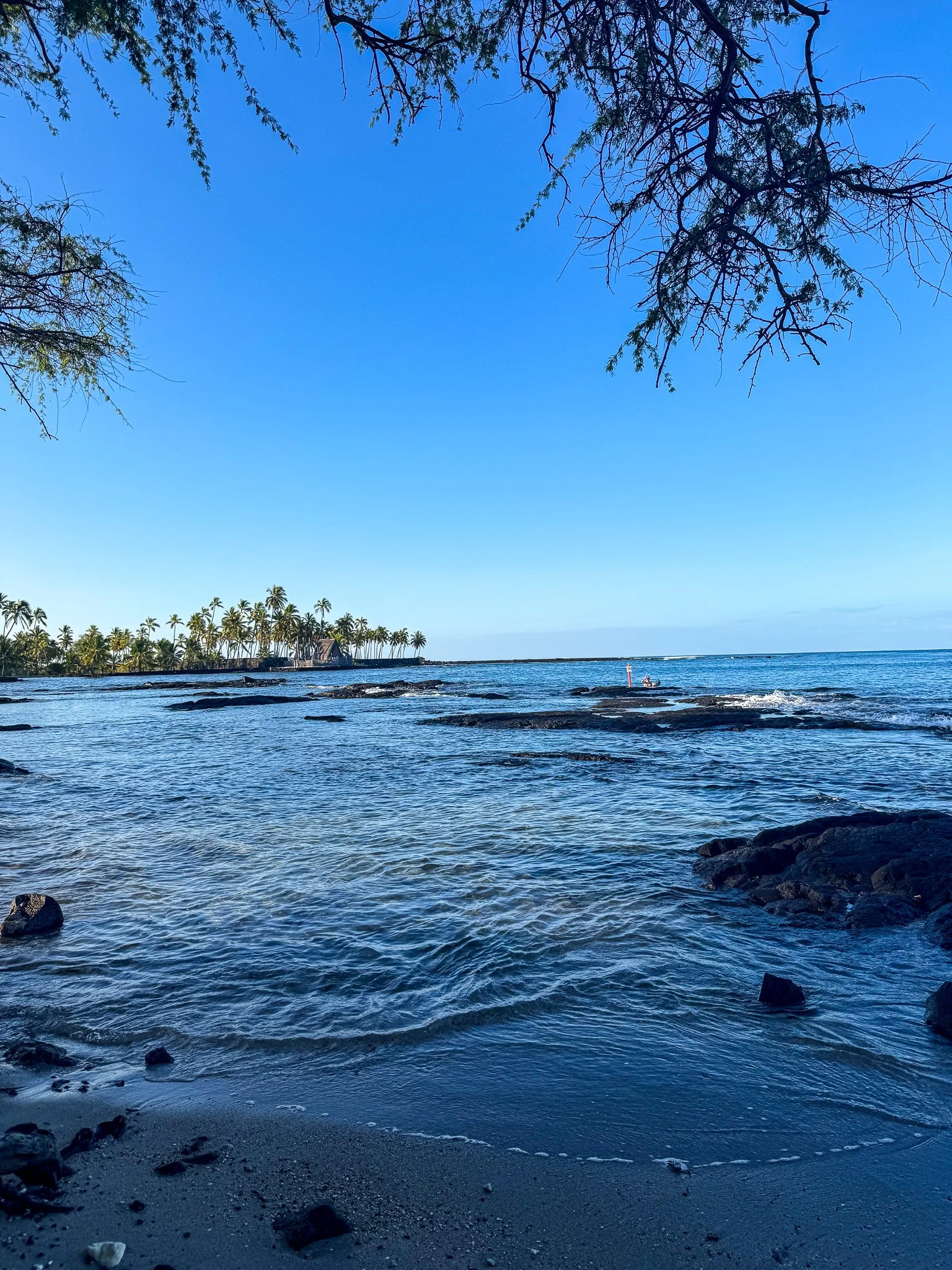
Two Step Beach
If you've landed here, you're probably staring at a week on the Big Island wondering how to make the most of it. I've spent a week on the island myself and can tell you that seven days is exactly enough time to see the highlights without feeling like you're racing through a checklist. The key is structure. The Big Island is large enough to fit all of the other Hawaiian islands inside it, which means the drive times can be long and the planning matters.
If you're still in the early planning stages, my Top 10 Things To Do on the Big Island covers the highlights in depth — this itinerary assumes you've got your must-do list locked and just need to know how to sequence it.
This post contains affiliate links. I may earn a small commission if you shop through them, at no extra cost to you.
One Week Big Island Itinerary at a Glance
| Day | Morning | Afternoon | Evening |
|---|---|---|---|
Day 1 Arrival |
Arrive & Settle In
Check in, get your bearings, and decompress. Grab a coffee at a local Kona cafe — you're drinking it at the source.
|
Dinner
Easy first night with dinner along Ali'i Drive or your resort. Early night — big days ahead.
|
|
Day 2 South Kona + Mantas |
Two-Step
Drive south to Hōnaunau. Snorkel Two-Step — exceptional coral and frequent spinner dolphin sightings. Explore Pu'uhonua o Hōnaunau National Park nearby.
|
Kona Coffee Belt
Loop back through the Kona coffee belt (Hwy 180). Stop at Mountain Thunder, Greenwell Farms, or Kona Joe for a free farm tour and tasting. Pick up bags to bring home.
|
Manta Ray Night Snorkel
Book with Fair Wind Cruises. You'll float above an underwater light array as Pacific mantas — some 10–14 ft wide — barrel roll beneath you feeding on plankton. Unforgettable.
|
Day 3 East — North |
Waterfalls
Head up the Hamakua Coast. Stop at Akaka Falls (442 ft plunge, easy 0.4-mi loop) and the 'Umauma Falls overlook. Arrive in Hilo by late morning.
|
Hilo Town
Wander Hilo's farmer's market, visit Rainbow Falls and Boiling Pots, and browse the charming old downtown. Grab lunch local-style.
|
Sunset or Stars
Return via Saddle Road. Optional add-on: Drive to the Mauna Kea Visitor Center (9,200 ft) for sunset and stargazing — the visitor center offers stunning views and ranger-led programs.
|
Day 4 East — South |
Volcanoes NP
Start early at Hawai'i Volcanoes National Park. Drive Chain of Craters Road down to the coast for dramatic lava flows and ocean views. Walk through Nahuku (Thurston Lava Tube), a sacred site formed by ancient lava flows.
|
Lava Coast
Continue to the Puna coastline. Stop at Punalu'u Black Sand Beach for sea turtle watching — they haul out on the sand regularly.
|
Drive Back
Head back toward Kona on Hwy 11. Stop in Na'alehu (southernmost town in the US) for a malasada. Quiet dinner on arrival.
|
Day 5 Snorkel Day |
Kealakekua Bay
Book a morning snorkel tour with Fair Wind Cruises to Kealakekua Bay — the clearest water on the island, with excellent coral and spinner dolphins near the Captain Cook Monument.
|
Beach Afternoon
Decompress at Hapuna Beach on the Kohala Coast — wide white sand and calm water. Bring a snorkel for the rocky edges.
|
Sunset Cocktails
Sunset from the Kohala Coast. Treat yourself to dinner at a Waikoloa or Kona restaurant.
|
Day 6 Rest & Recharge |
Resort Day
A full day to slow down. Spend the morning and afternoon at your resort — the pools along the Kohala Coast were made for days like this. If you're looking for something more restorative, the spas at the Mauna Lani, Fairmont Orchid, and Four Seasons are all exceptional. No agenda required.
|
Last Big Night
Final nice dinner in Kona. Walk Ali'i Drive under the stars.
|
|
Day 7 Departure |
Final Morning
One last sunrise swim at Kahalu'u or a quiet beach near your hotel. Pick up local coffee, mac nuts, and chocolate from a Kona shop.
|
Head Out
Return rental car, fly home from KOA. Already planning the return trip.
|
— |
Check in, get your bearings, and decompress. Grab a coffee at a local Kona cafe — you're drinking it at the source.
Easy first night with dinner along Ali'i Drive or your resort. Early night — big days ahead.
Drive south to Hōnaunau. Snorkel Two-Step — exceptional coral and frequent spinner dolphin sightings. Explore Pu'uhonua o Hōnaunau National Park nearby.
Loop back through the Kona coffee belt (Hwy 180). Stop at Mountain Thunder, Greenwell Farms, or Kona Joe for a free farm tour and tasting. Pick up bags to bring home.
Book with Fair Wind Cruises. You'll float above an underwater light array as Pacific mantas — some 10–14 ft wide — barrel roll beneath you feeding on plankton. Unforgettable.
Head up the Hamakua Coast. Stop at Akaka Falls (442 ft, easy 0.4-mi loop) and the 'Umauma Falls overlook. Arrive in Hilo by late morning.
Wander the farmer's market, visit Rainbow Falls and Boiling Pots, browse downtown. Grab lunch local-style.
Return via Saddle Road. Optional: Drive to the Mauna Kea Visitor Center (9,200 ft) for sunset and stargazing — the visitor center offers stunning views and ranger-led programs.
Start early at Hawai'i Volcanoes National Park. Drive Chain of Craters Road down to the coast for dramatic lava flows and ocean views. Walk through Nahuku (Thurston Lava Tube), a sacred site formed by ancient lava flows.
Continue to the Puna coastline. Stop at Punalu'u Black Sand Beach for sea turtle watching — they haul out on the sand regularly.
Head back on Hwy 11. Stop in Na'alehu (southernmost US town) for a malasada.
Book a morning snorkel tour with Fair Wind Cruises to Kealakekua Bay — the clearest water on the island, with excellent coral and spinner dolphins near the Captain Cook Monument.
Decompress at Hapuna Beach — wide white sand and calm water. Bring a snorkel for the rocky edges.
Sunset from the Kohala Coast. Treat yourself to dinner at a Waikoloa or Kona restaurant.
A full day to slow down. Spend the morning and afternoon at your resort — the pools along the Kohala Coast were made for days like this. If you're looking for something more restorative, the spas at the Mauna Lani, Fairmont Orchid, and Four Seasons are all exceptional. No agenda required.
Final nice dinner in Kona. Walk Ali'i Drive under the stars.
One last sunrise swim at Kahalu'u or a quiet beach near your hotel. Pick up local coffee, mac nuts, and chocolate.
Return rental car, fly home from KOA. Already planning the return trip.
Before You Go: A Few Logistics
Base yourself on the Kona side. Most of the resorts are on the west coast — the Kohala Coast specifically — and it's a great place to stay, especially if it's your first visit. The weather is sunnier and more reliable, the snorkeling is better, and it puts you within an easy driving distance of both the south and east sides on day trips.
Rent a car. Non-negotiable on the Big Island. Rideshare is unreliable and the distances between activities are significant. Book early — inventory gets tight, especially in peak season.
The itinerary below assumes Kona-side accommodation throughout, with two full day trips to the east side. If you're staying in Hilo, simply flip the directions.
Big Island, Hawaii Itinerary
Day 1: Arrival
There's a temptation to hit the ground running on day one, but if your travel day looks anything like ours did, you may be approaching 24 waking hours since you left your home and staying awake for dinner will feel like the ultimate challenge.
Check in, get your bearings, and let the place settle over you for a moment. If you need a little liquid fuel to push through, grab a coffee at a local shop. For dinner, I recommend something casual at your resort. Or, if you're staying closer to Kona, Ali'i Drive is a great place to stretch your legs with plenty of casual waterfront dining options. Quinn's Almost on the Water is a great option in Kona.
Early night, you'll be ready for it. Trust me.
Day 2: South Kona + Manta Rays
This is one of my favorite days on the island — full stop. It runs long but is well worth it.
Morning: Two-Step & Puʻuhonua O Hōnaunau
Head south on Highway 11 toward Hōnaunau. Your first stop is Two-Step, a beloved shore snorkel site named for the two lava shelves that serve as a natural entry point into the water. The coral here is some of the healthiest on the island and spinner dolphin sightings are common in the adjacent cove — though remember that under NOAA regulations, it's illegal to approach or swim within 50 yards of Hawaiian spinner dolphins. Let them come to you, and they sometimes will.
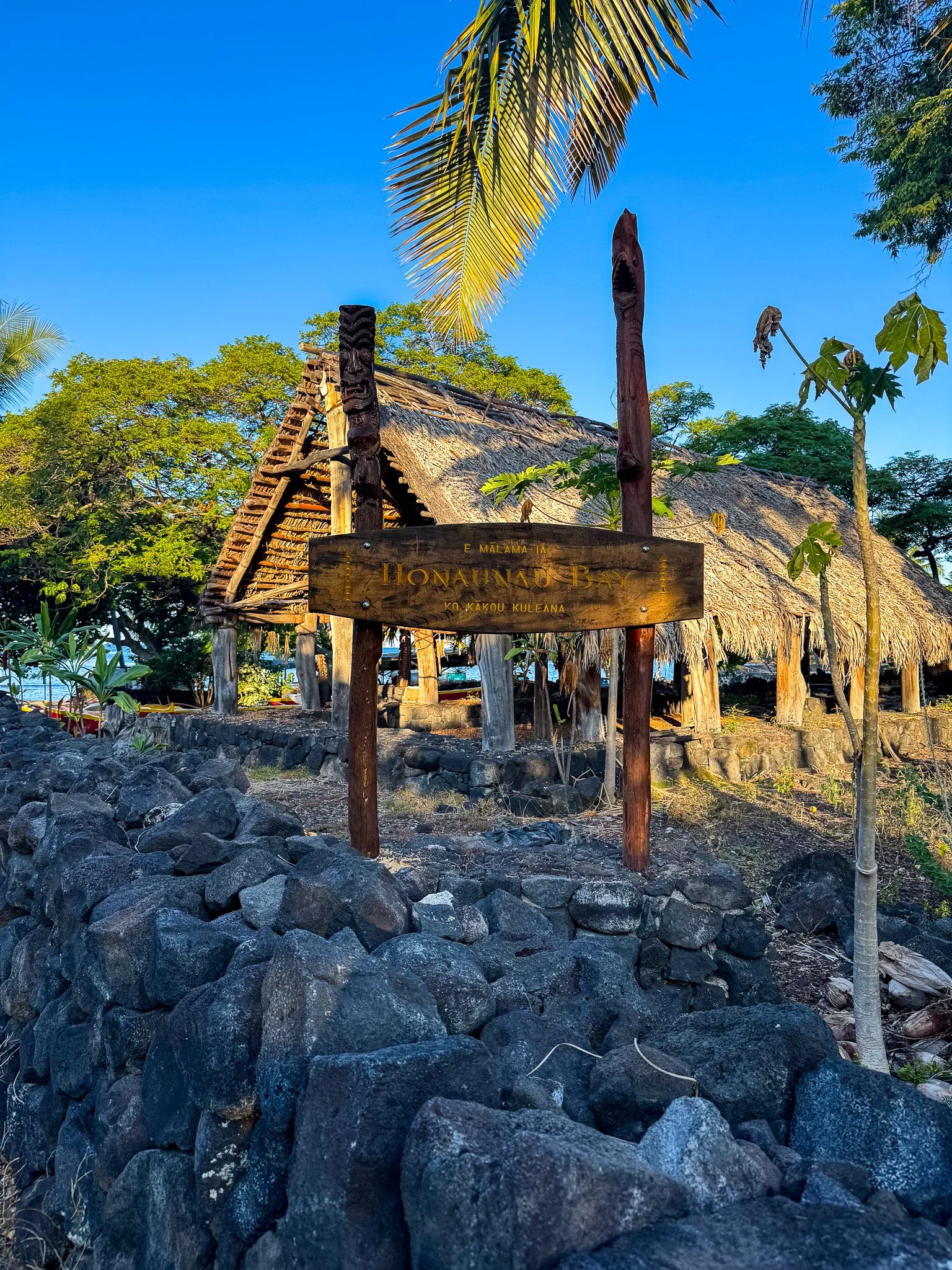
Right next door is Puʻuhonua O Hōnaunau National Historical Park — the "place of refuge." The short version: it's one of the most significant cultural sites on the island and worth an hour of your time. The rangers do exceptional work bringing the history to life. Admission is $20 per vehicle.
Afternoon: Kona Coffee Belt
On your way back toward Kona, take Highway 180 through the coffee belt rather than the main highway. This is the slow, scenic route through the heart of Kona coffee country. Greenwell Farms is one of the longest-running, established in 1850, and offers complimentary tours and tastings without reservations. We visited during a rainstorm and the tour was cancelled, but the samples and the staff made it worthwhile anyway. Mountain Thunder and Kona Joe are also solid options along the same stretch. Pick up a bag or two to bring home — Kona coffee purchased here will be noticeably fresher than anything you'll find on the mainland.
Evening: Manta Ray Night Snorkel
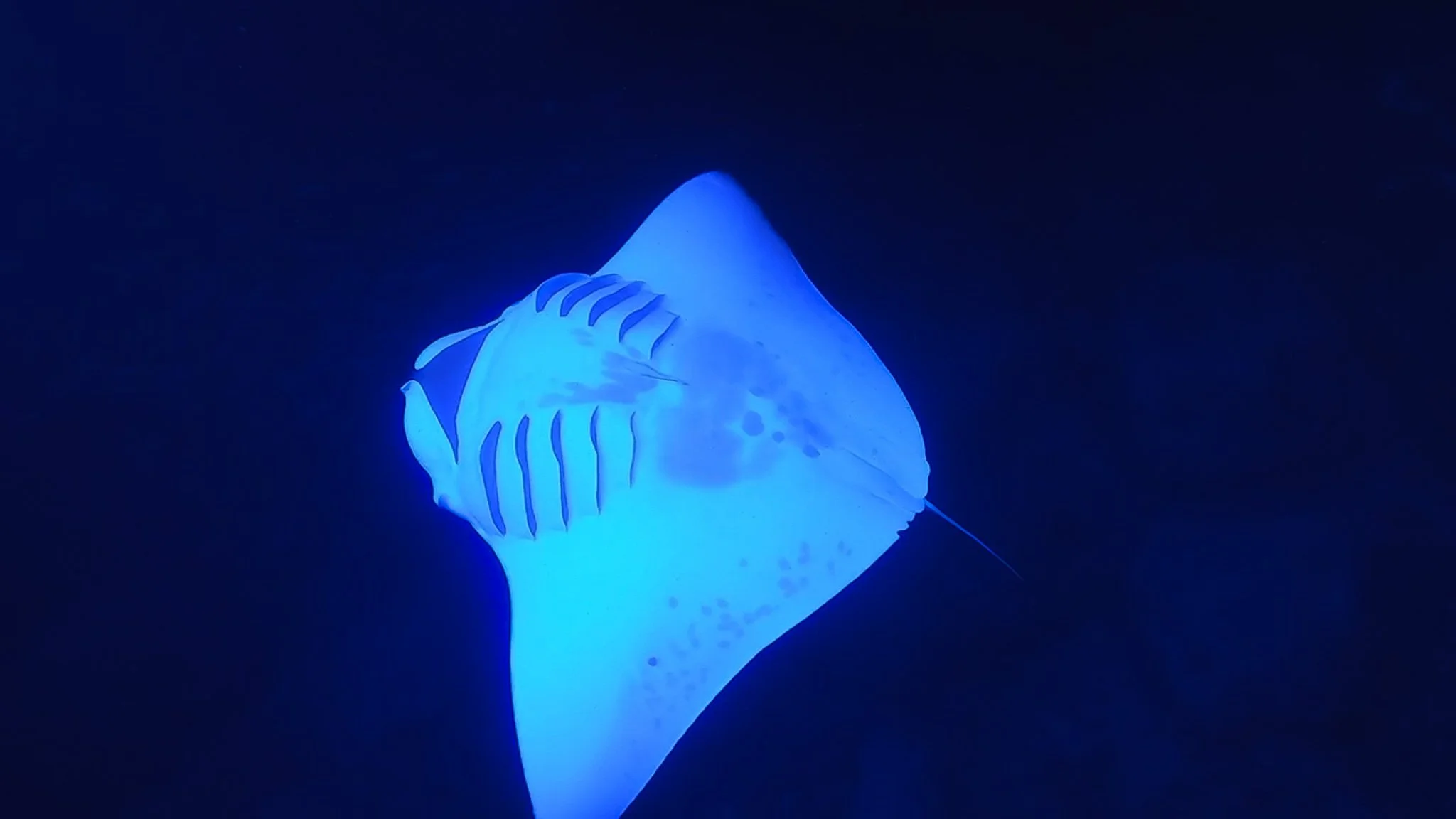
If there's anything you do from this itinerary, make it this. The manta ray night snorkel is, without question, one of the most extraordinary wildlife experiences I've had — floating above these gentle giants is unlike anything else. You'll float on the surface while custom light boards illuminate the ocean below as Pacific manta rays — some spanning 10 to 14 feet — barrel roll beneath you, feeding on the plankton drawn to the light. There's nothing quite like it.
I have a full breakdown of what to expect, which operator we used, and whether it's worth the hype in my Manta Night Snorkel guide. Spoiler: it is. Book well in advance — this one sells out. I also always recommend booking this for early in the trip. Most providers offer a reschedule opportunity if you don't see any manta rays (a rare occurrence).
Day 3: East Side — North (Waterfalls + Hilo)
Today is your first east-side day, following the northern loop. Give yourself an early start — depending on where you're staying, the drive can take 1.5-2 hours, and you'll want time to linger and stop at lookout points along the way.
Morning: The Hāmākua Coast & Waterfalls
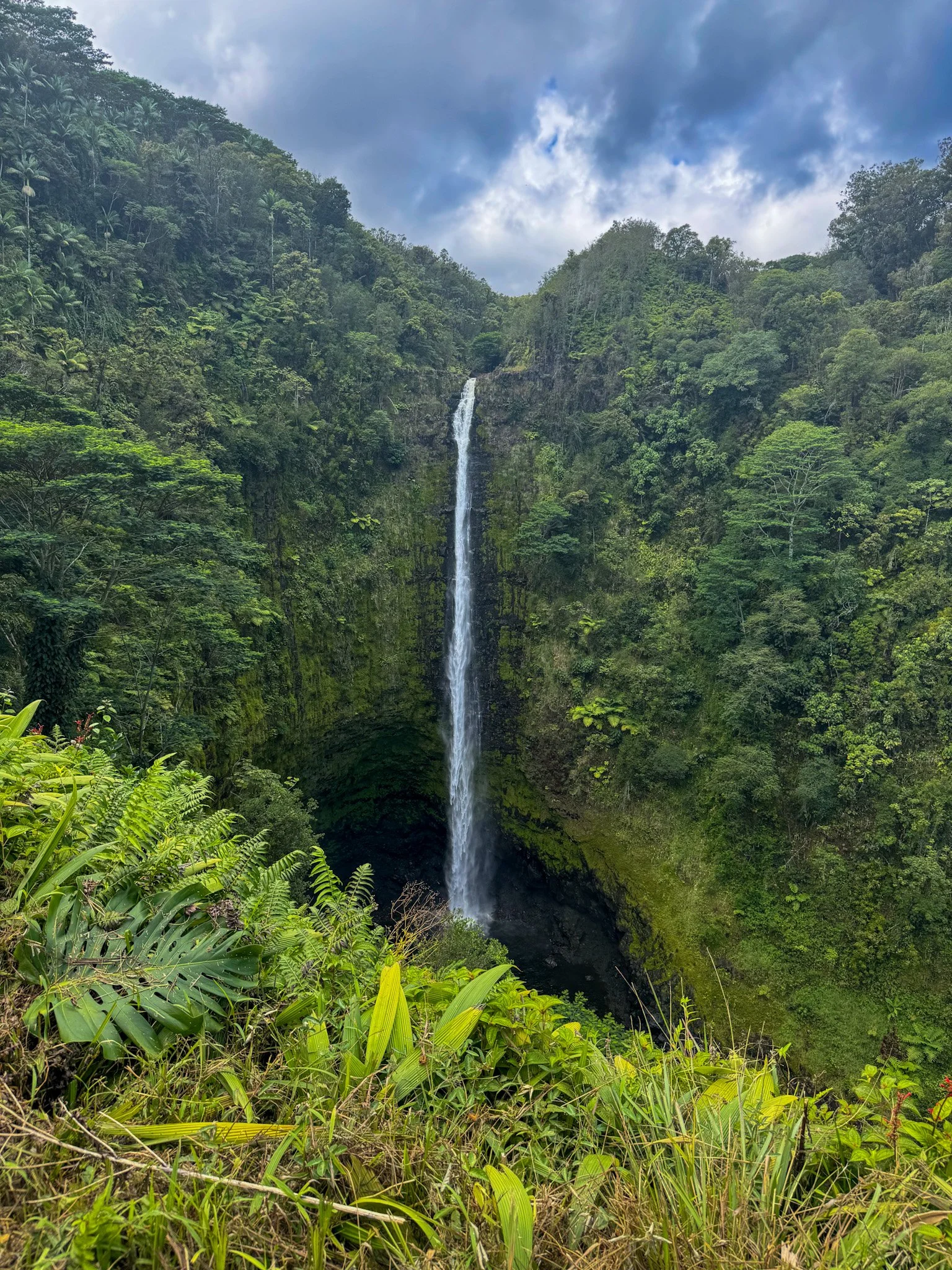
Take the scenic route up through Waimea and along the Hāmākua Coast rather than cutting straight through Saddle Road. The highway hugs the cliffs above the ocean and the scenery is worth the extra time. Your first major stop is ʻAkaka Falls State Park, about 20 minutes north of Hilo — a 442-foot waterfall plunging into a lush gorge surrounded by wild ginger, bamboo, and tropical foliage. The 0.4-mile paved loop is manageable for most fitness levels, though it can be slippery when wet. Wear shoes with grip. Parking is $10 and entry is $5 per person.
On your way, stop at Hamakua Toffee Company in Honokaa — it's right along the route and the toffee is exceptional. We left with multiple bags under the guise of sharing with friends and family at home. It barely made it back to the east coast.
Afternoon: Hilo
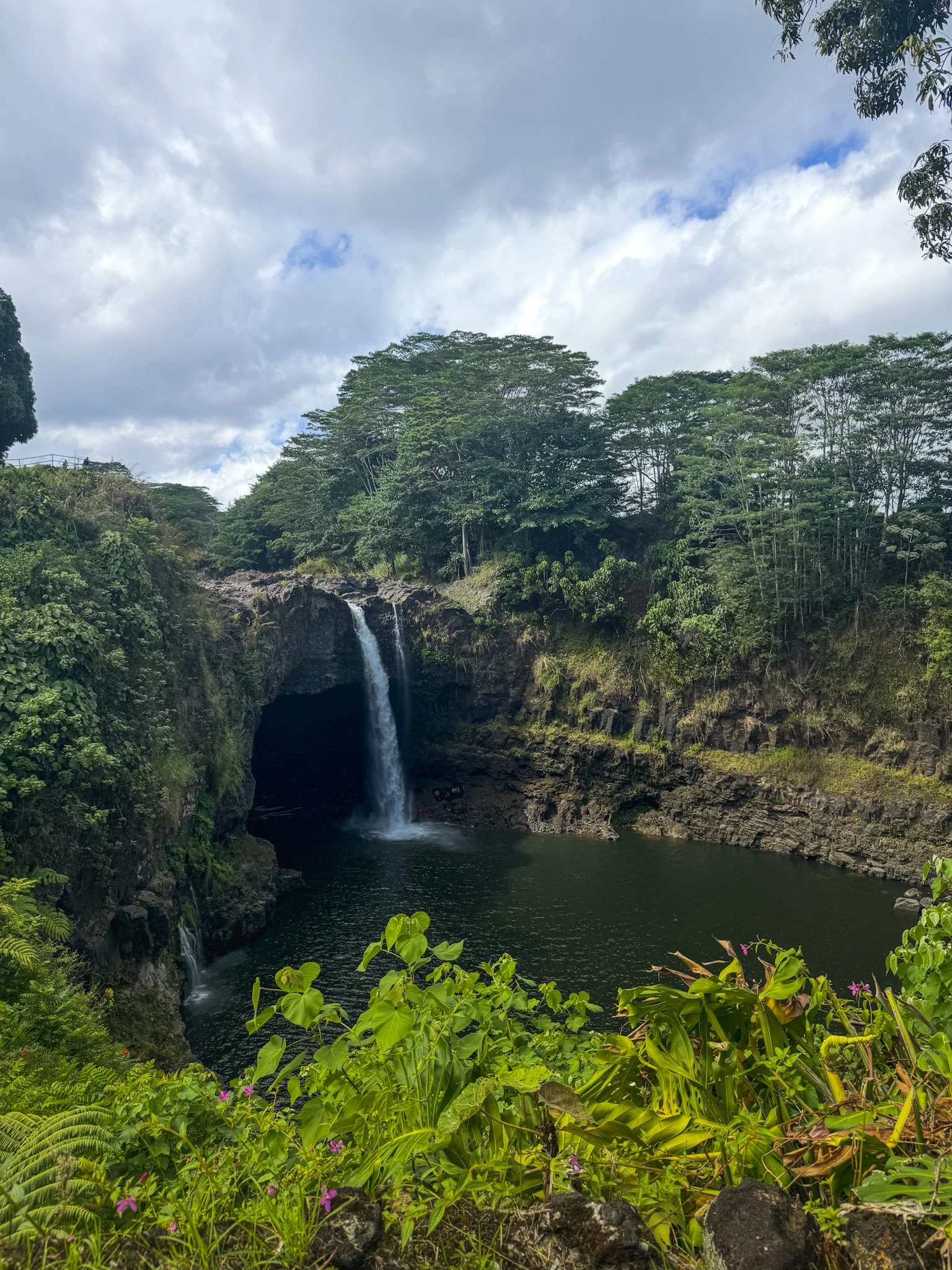
Hilo has a refreshingly local energy that's hard to find on the resort-heavy west side — unhurried, unpretentious, and worth the drive on its own. The Hilo Farmers Market is the anchor of the afternoon, at its best on Wednesdays and Saturdays and overflowing with tropical fruit, local flowers, and handmade crafts. Rainbow Falls is just minutes from downtown and free to visit — the massive banyan tree at the viewing area is worth a look any time of day.
On the food front — our lunch in Hilo didn't go as planned despite a local recommendation, so I'm not going to steer you toward a specific spot.
Evening: Optional Mauna Kea Stargazing
On your drive back along the Saddle Road toward Kona, consider a detour to the Mauna Kea Visitor Center at 9,200 feet. You don't need a 4x4 to reach the visitor center — only the summit requires one — and the stargazing from this elevation is extraordinary. It is cold up there even in summer, and can be snowy in winter months — so pack a real layer or plan to go with a guided tour that provides parkas.
Day 4: East Side — South (Volcanoes + Black Sand)
Your second east-side day covers the southern loop — one of my favorite days on our trip.
Morning: Hawaiʻi Volcanoes National Park
Start as early as you can manage. The park is best in the morning before tour buses arrive, and you'll want several hours. The entrance fee is $35 per vehicle and is valid for seven days — keep your receipt. America the Beautiful passes are also accepted here.
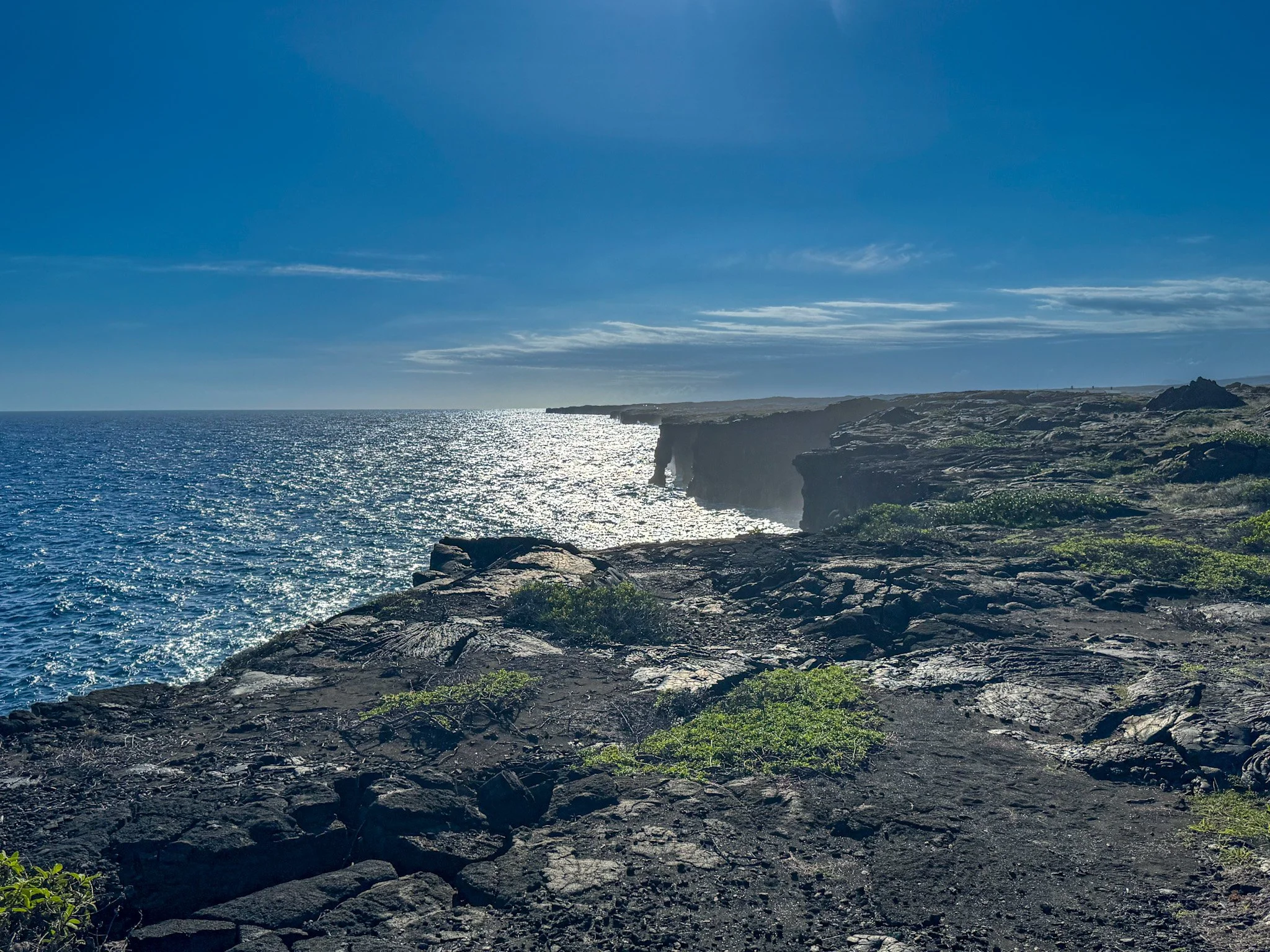
Drive Chain of Craters Road first. It's one of the most dramatic stretches of road I've ever ridden — the elevation drops dramatically as you descend toward the coastline and the landscape shifts from lush to stark and otherworldly. At the end of the road, the Holei Sea Arch is worth the short walk. Then head back up to explore the crater rim: the Nāhuku Lava Tube (formerly Thurston) is a must-do, a 0.4-mile paved loop through a lava tube formed over 500 years ago. It's cool in both senses of the word.
Kīlauea's volcanic activity is intermittent — we watched the live cams obsessively during our visit and she erupted the day we flew home, which felt deeply personal 🙃. Check the National Park Service website for current activity updates before your visit and follow all NPS guidance if lava flows are active.
Afternoon: Punaluʻu Black Sand Beach
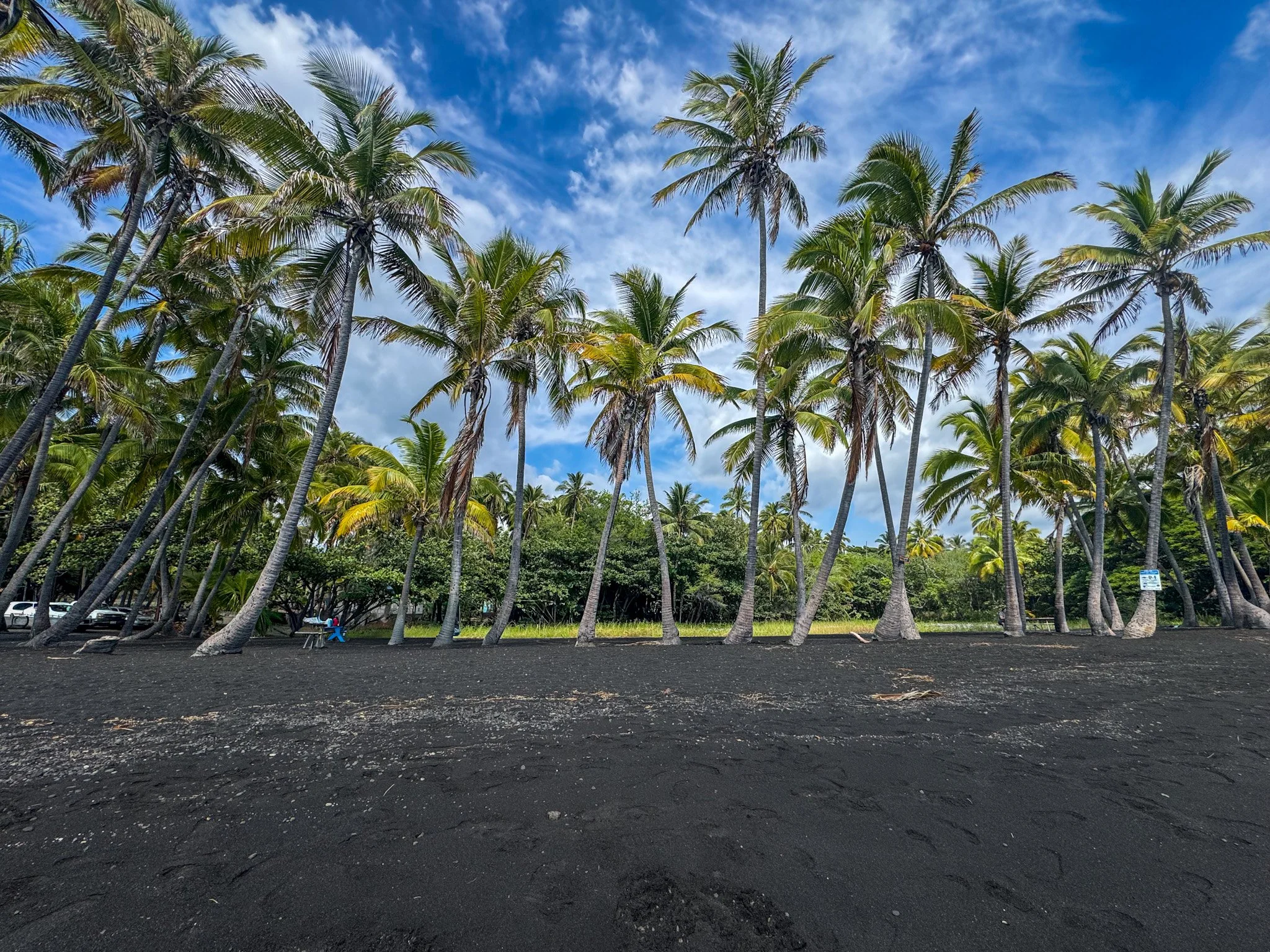
Continue south to Punaluʻu Black Sand Beach. Swimming is not recommended here due to strong currents, but it's one of the most visually striking stops on the island — the black sand against a backdrop of towering palm trees is unlike anything I'm used to seeing on the east coast — and Hawaiian green sea turtles (honu) haul out on the beach regularly. I counted more than ten on our visit. Give them the required 10 feet of space and resist any urge to touch or disturb them; it's state law.
On our visit, there was a vendor selling fresh fruit like coconuts and mangos — worth a stop if they're there.
Evening: Na'alehu & The Drive Home
On Highway 11 back toward Kona, stop in Na'alehu — the southernmost town in the United States. Worth a quick stop for a malasada before the long drive back. Grab dinner in Kona on your way back to the resort — Umeke's or Broke da Mouth Grindz would be my picks.
Day 5: Dedicated Snorkel Day
By day five you've covered a lot of ground. Today is deliberately slower in structure — two water stops, a beach afternoon, and a good dinner.
Morning: Kealakekua Bay
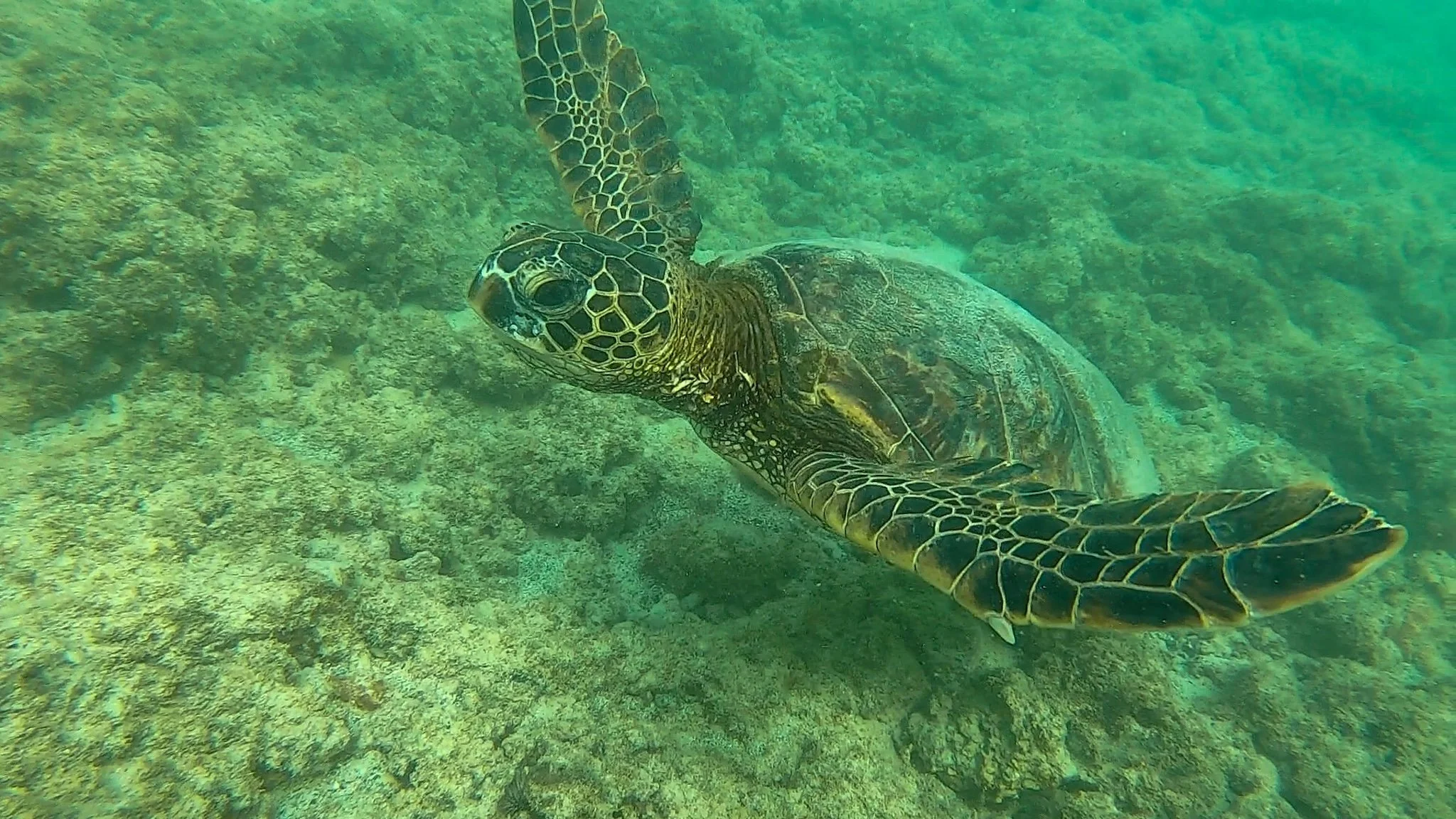
Kealakekua Bay is the crown jewel of Big Island snorkeling — a marine preserve with exceptional visibility, thriving coral, and reliable spinner dolphin activity near the Captain Cook Monument. The bay is only accessible by boat tour, kayak, or strenuous hike (4+ miles with significant elevation gain) which means it stays less crowded. Book a morning snorkel tour well in advance — it fills fast. See my full Snorkeling on the Big Island guide for everything you need to know about this spot and others.
Afternoon: Hapuna Beach
After a morning in the water, Hapuna Beach on the Kohala Coast is the ideal place to decompress. It's consistently ranked among the best beaches in the US — wide, white sand, calm turquoise water, and enough space that it never feels crowded even on busy days. Bring your snorkel for the rocky edges; the fish life is reliable. Facilities are on-site and parking is manageable if you arrive before early afternoon.
Evening: Kohala Coast Dinner
Sunset on the Kohala Coast hits differently after a full day on the water. Treat yourself to dinner at one of the resort restaurants in the Waikoloa or Mauna Lani area — this is a good night for it. Some options to consider are Canoe House, 'Ulu, or Lava Lava Beach Club.
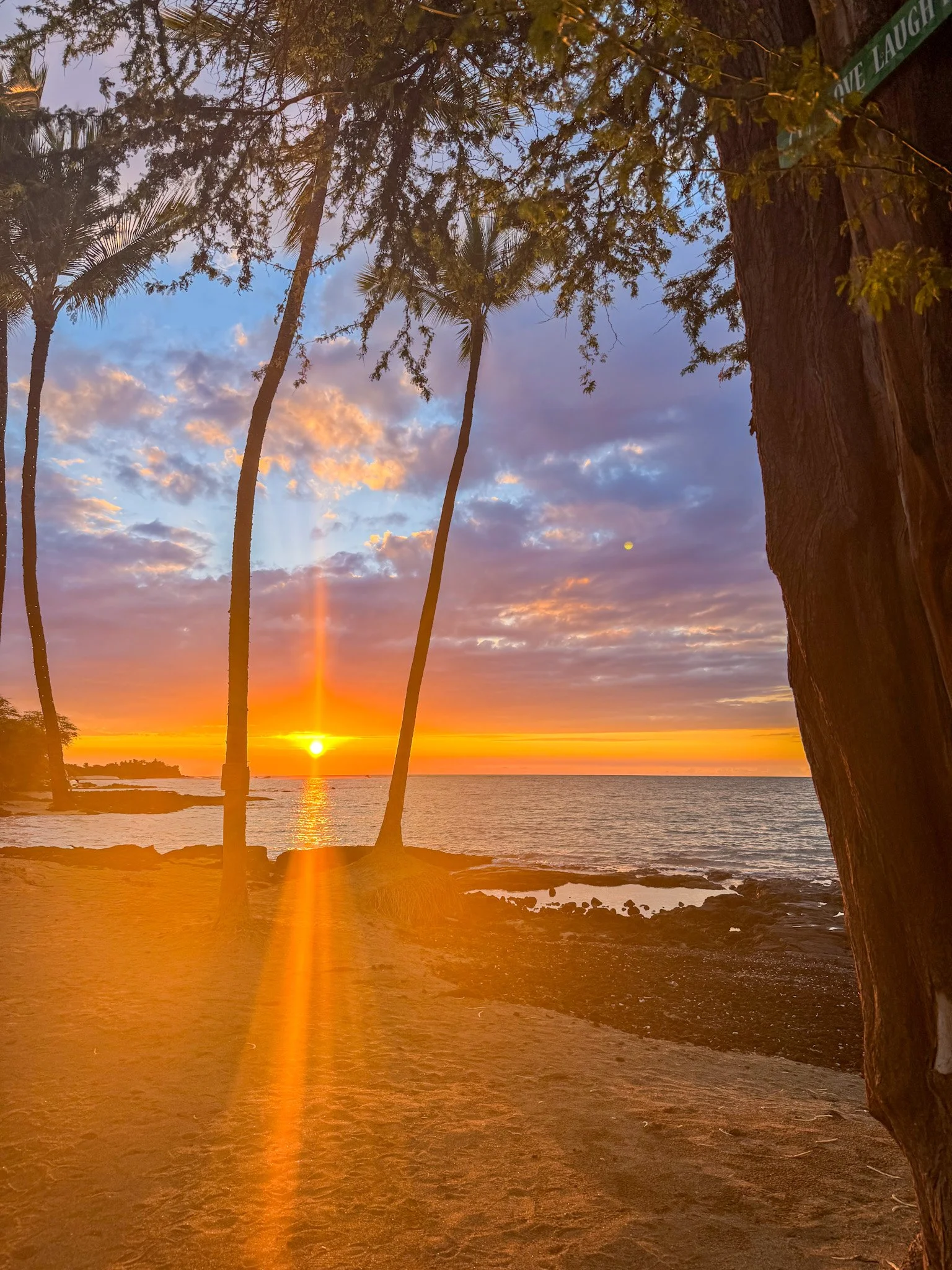
Day 6: Rest & Recharge
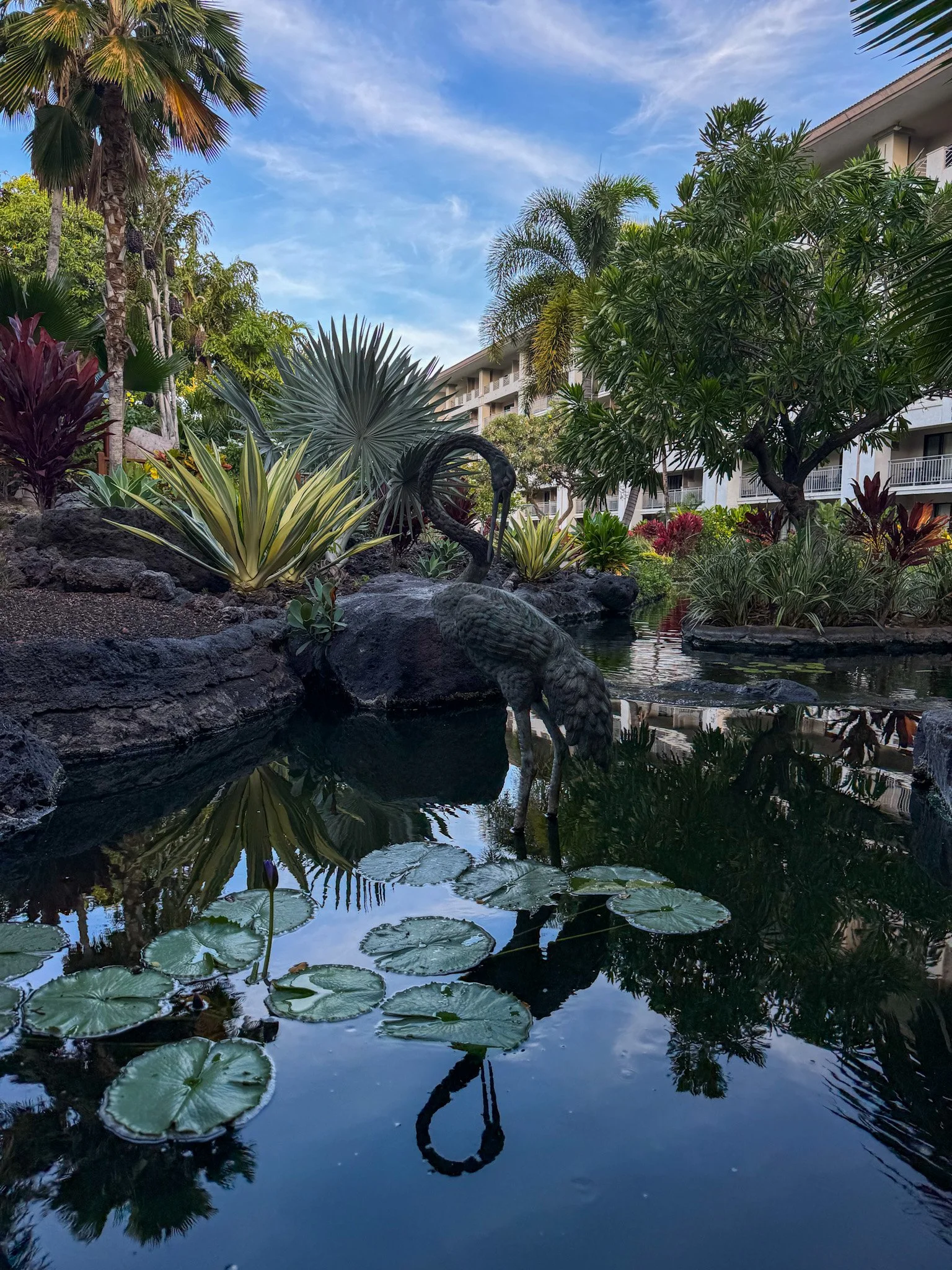
This is the day I almost skipped on our trip and would have regretted it. A week of early starts, long drives, and full days catches up with you — and the Big Island's Kohala Coast resort corridor was built for days exactly like this one.
Spend the morning and afternoon at your property. The pools along this stretch are extraordinary, the beach access is easy, and there is nothing on the agenda. If you're drawn to something more restorative, the spas at the Mauna Lani, Fairmont Orchid, and Four Seasons are all exceptional — book in advance if a treatment is a priority.
We stayed at the Fairmont Orchid and I have a full Fairmont Orchid review with everything worth knowing — what to book, what to skip, and whether the resort fee is justified. The oceanfront massage was worth every penny.
Evening: Last Big Night
This is your last real dinner of the trip — make it a good one. Walk Ali'i Drive in Kona after, pick up any last coffee or chocolate you didn't grab earlier in the week, and enjoy the sunset from here.
Day 7: Departure
Don't waste the last day.
If your flight allows, get one final swim in at Kahalu'u Beach Park — a reliable snorkel spot right in Kona with good turtle activity and easy access. Or simply find a quiet stretch of beach near your resort and sit in it for a while. The Big Island has a way of making you feel like you could stay indefinitely, which is either wonderful or inconvenient depending on your flight time.
Before you head to the airport, stop at a local shop in Kona for last-minute provisions: freshly roasted coffee, macadamia nuts, and Big Island chocolate are all worth bringing home. Kona International (KOA) is a small, easy airport — no stress.
Return your rental car, fly home, and start planning the return trip. There will be a return trip.
Planning your Big Island trip? Here's everything you need:
A First Timers Guide to the Big Island — where to stay, what to eat, and how to spend your time on and off the water
Big Island: Where to Stay - more resorts and hotels, broken out by location to help you plan
Your Complete Guide to Snorkeling on the Big Island — the best spots, what to expect, and how to snorkel with manta rays at night
Kona vs. Hilo — How to choose the best side of the Big Island for your next trip
Manta Night Snorkel — Is this tour worth the hype?
Reef Safe Sunscreens — My favorite Hawaii compliant options
FAQs
Is 7 days enough for the Big Island?
Seven days is the sweet spot for a first visit — enough time to cover the highlights without feeling rushed, and long enough to actually relax. If you can swing ten days, you'd have room to add Waimea, more of the Kohala Coast's historic sites, and more time on the water. Five days is workable but tight; you'd need to choose between the north and south east-side loops rather than doing both.
Should I rent a car on the Big Island?
Yes, without exception. Rideshare is unreliable outside of Kona town and the distances between activities are too significant to navigate without your own vehicle. Book early — inventory gets tight, especially for peak season travel.
Where should I stay for this itinerary?
The Kohala Coast is the right base. I break down the options by property in my Where to Stay on the Big Island guide, and my Fairmont Orchid review covers where we stayed in detail.
Do I need to pre-book activities on the Big Island?
Yes — especially the manta night snorkel and the Kealakekua Bay snorkel tour. Both sell out well in advance, particularly in peak season.
What should I pack for the Big Island?
Reef-safe sunscreen is required at Hawaii state parks and the right call everywhere else on the island. Beyond that: a warm layer for Mauna Kea if stargazing is on your list (it gets genuinely cold up there), water shoes for lava-entry snorkel spots, and shoes with grip for waterfall trails. See my reef-safe sunscreen guide for specific product recommendations.
Is the Big Island of Hawaii worth visiting?
In my opinion, absolutely, yes. The Big Island offers the perfect balance of resort amenities with a legitimately local feel once you venture out. It's the only place you might get to see active lava flows and the natural beauty of the island cannot be overstated. Unlike some of the other Hawaiian islands, the Big Island has diverse landscapes that range from stark lava fields to lush tropical rainforests.
Can you drive all the way around the Big Island of Hawaii?
Yes. The Hawaii Belt Road connects the island via a 200-mile loop — primarily hugging the coastline the entire way, making it an incredible scenic drive. It is made up of Hawaiʻi state Routes 11, 19, and 190. Following this itinerary, you will drive the entire route in sections across the duration of your trip.
How Large is the Big Island of Hawaii?
The Big Island is approximately 4,028 square miles, making it the largest island in the Hawaiian islands archipelago. By comparison, it's nearly the size of the state of Connecticut and large enough for all of the other Hawaiian islands to fit inside of it!
Want personalized recommendations, resort perks like complimentary upgrades and spa credits, and someone who has actually been there to help you plan? I'd love to help you book your Big Island trip.
Hi, I’m Jess
I’m here to help you plan epic adventures. If you’re looking for authentic travel guides that mix luxe lodging and incredible dining with out of this world hikes and adventures, you’re in the right place.

Your complete guide to the best time to visit the Isle of Skye