Top 10 Things To Do on the Big Island, Hawaii
I have been to the Hawaiian islands a few times, and the privilege is not lost on me. For many, Hawaii is a once-in-a-lifetime trip and they may only get to see one island while they are there. Having spent a week or more on the Big Island, Kauai, and Maui over multiple trips and planning Hawaii for my travel advising clients, I've learned a thing or two. My husband and I spent a week on the Big Island in November, 2025 and found a way to mix relaxation with most of the activities on this list.
If you're planning a trip to the Big Island, you're in the right place. This guide covers the top 10 things to do while you're there. If it's your first time on the island, pop over to my first-timers guide for more on where to eat, stay and what to expect.
This post contains affiliate links. I may earn a small commission if you shop through them, at no extra cost to you.
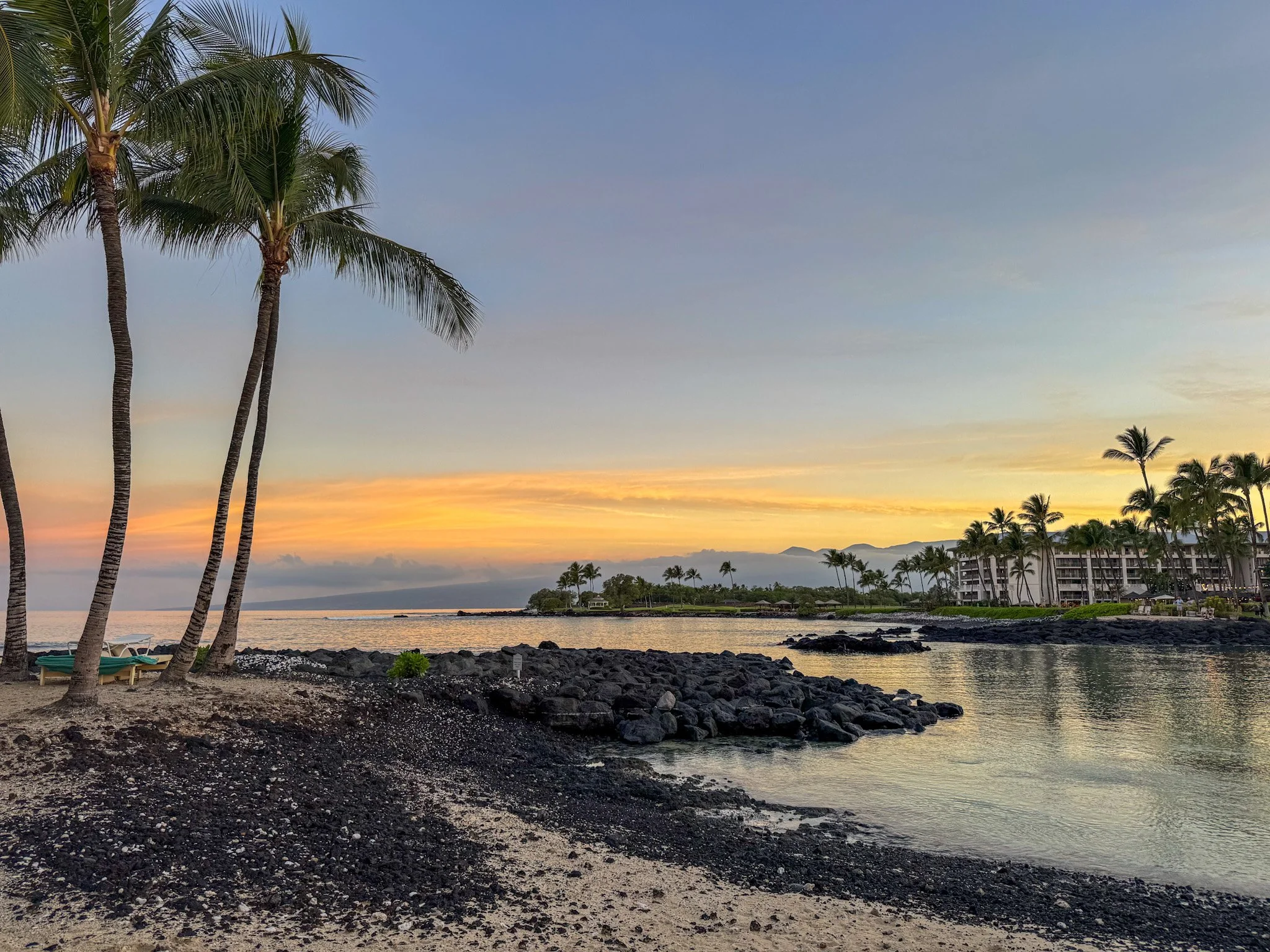
Our Experience on The Big Island
We spent a week on the Big Island in November of 2025. The Big Island is expansive – large enough for all of the other islands to fit inside. That also means there are plenty of things to do, easily filling a week or more.
Throughout our week, we found time to snorkel every day, including the manta night snorkel, a highlight for us. We chased lava, keeping a close eye on the Kilauea live cams, ready to hop in the car at a moment's notice if she started erupting (of course, she erupted the day we arrived home 🙃). All of these activities are incredible, and there's a little something for every type of traveler. Plus, we found that no matter where you stay on the island, your journey to reach these activities is sure to be filled with natural beauty around every turn.
After scouring the internet and Instagram for inspiration, I narrowed our to-do list down to the top 10 things to do on the Big Island. Some of these found themselves on the cutting room floor, which just means we'll have to plan a trip back.
Top 10 Things to Do On the Big Island, Hawaii
If this is your first time visiting the Island of Hawai'i, these are the best things to add to your must-do list:
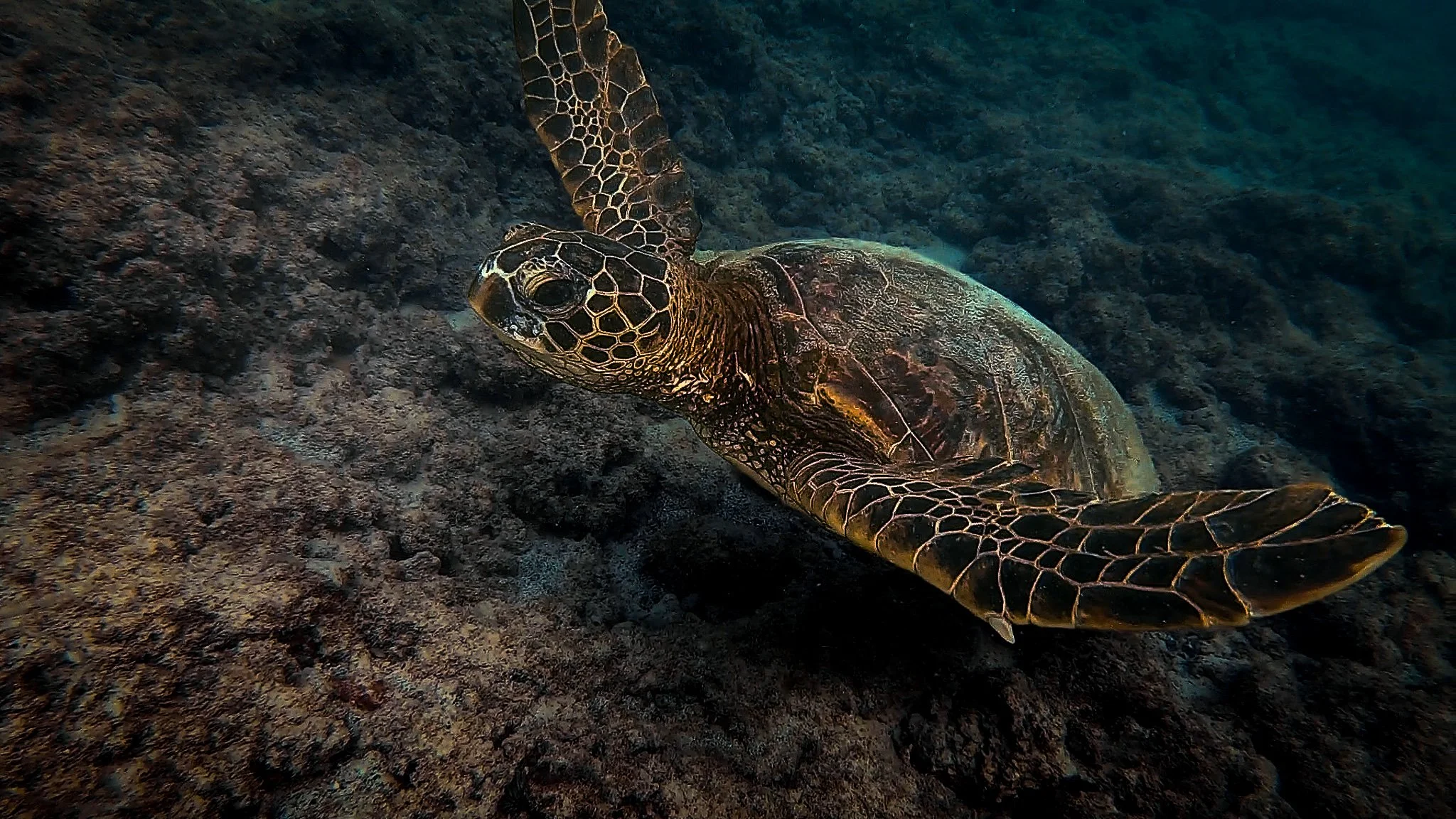
Green Sea Turtle seen in Pauoa Bay
1. Snorkeling
The Big Island of Hawaii is known for having some of the best snorkeling in the Pacific. Whether you're exploring reefs along the lava-rock coast or night swimming with manta rays, it absolutely delivers. The Big Island has crystal clear water teeming with diverse marine life and opportunities for swimmers of all skill levels.
You can DIY a snorkel adventure or go on a guided tour — and the Big Island offers great options for both. My husband and I are certified SCUBA divers, so we're often underwhelmed by snorkeling — the Big Island surprised us and we had no regrets for not bringing our dive gear along for the trip. The visibility is exceptional, the marine life is abundant, and there's enough variety across spots that we found something new every single day. Highlights included a guided manta ray night snorkel, green sea turtles, and spinner dolphins appearing out of nowhere in an adjacent cove.
A couple of things worth knowing before you go: the west side of the island (the Kona coast) is where the best snorkeling is concentrated, morning sessions offer the calmest conditions and best visibility, and you'll want to bring your own gear if you plan to explore DIY spots — rentals aren't available at most shore access points.
The manta ray night snorkel is in a category of its own and deserves a spot on everyone's list regardless of their interest in snorkeling. I have a full breakdown of what to expect in my Manta Night Snorkel guide — including whether it's worth the hype. Spoiler: it is.
For a complete guide to snorkeling spots, tour recommendations, and tips for all skill levels, visit my Guide to Snorkeling on the Big Island.
And, don't forget your reef-safe sunscreen — it’s required in Hawaii.
Wildlife Regulations:
Federal and State regulations are in place to help protect wildlife you may encounter while snorkeling in Hawaii. My Big Island snorkeling guide goes into more detail.
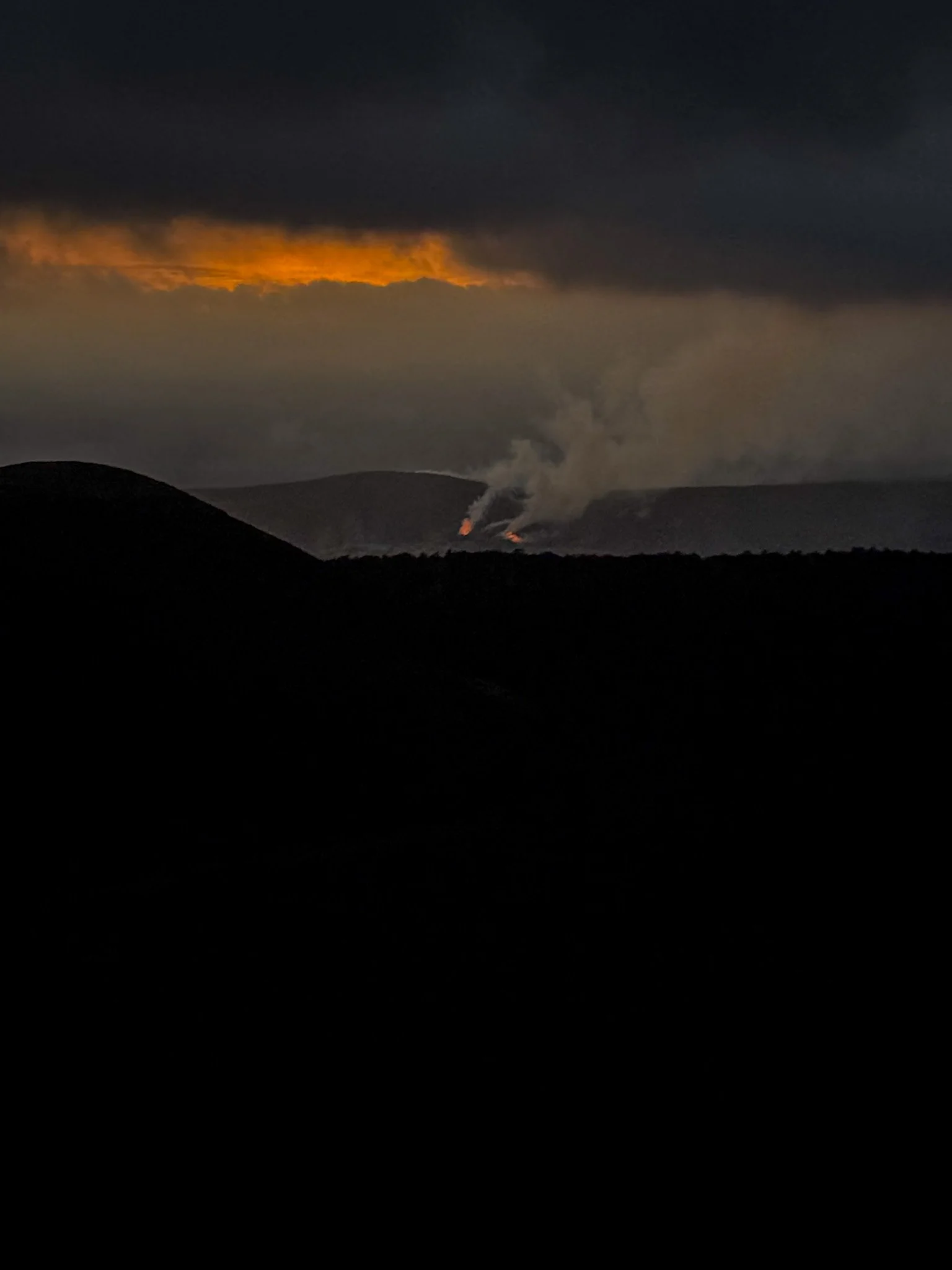
2. See Lava at Hawaii Volcanoes National Park
Hawaiʻi Volcanoes National Park, located on the southeastern corner of the Big Island, is home to two active volcanoes: Mauna Loa and Kīlauea. Visitors will enjoy diverse landscapes from rugged lava fields to lush rainforests and dramatic coastlines. We included a stop here on our east-side road trip day and hit some of the top highlights.
If you're staying on the Kona side, plan to budget a full day for this — it's roughly 1.5 to 2 hours each way, and the park itself warrants several hours of exploring. I'd recommend arriving in the morning when the park is less crowded, then making your way back along the coast in the afternoon. The entrance fee is $35 per vehicle and is valid for seven days, so if you're spending a week on the island it's worth keeping the receipt (America the Beautiful passes are also accepted here).
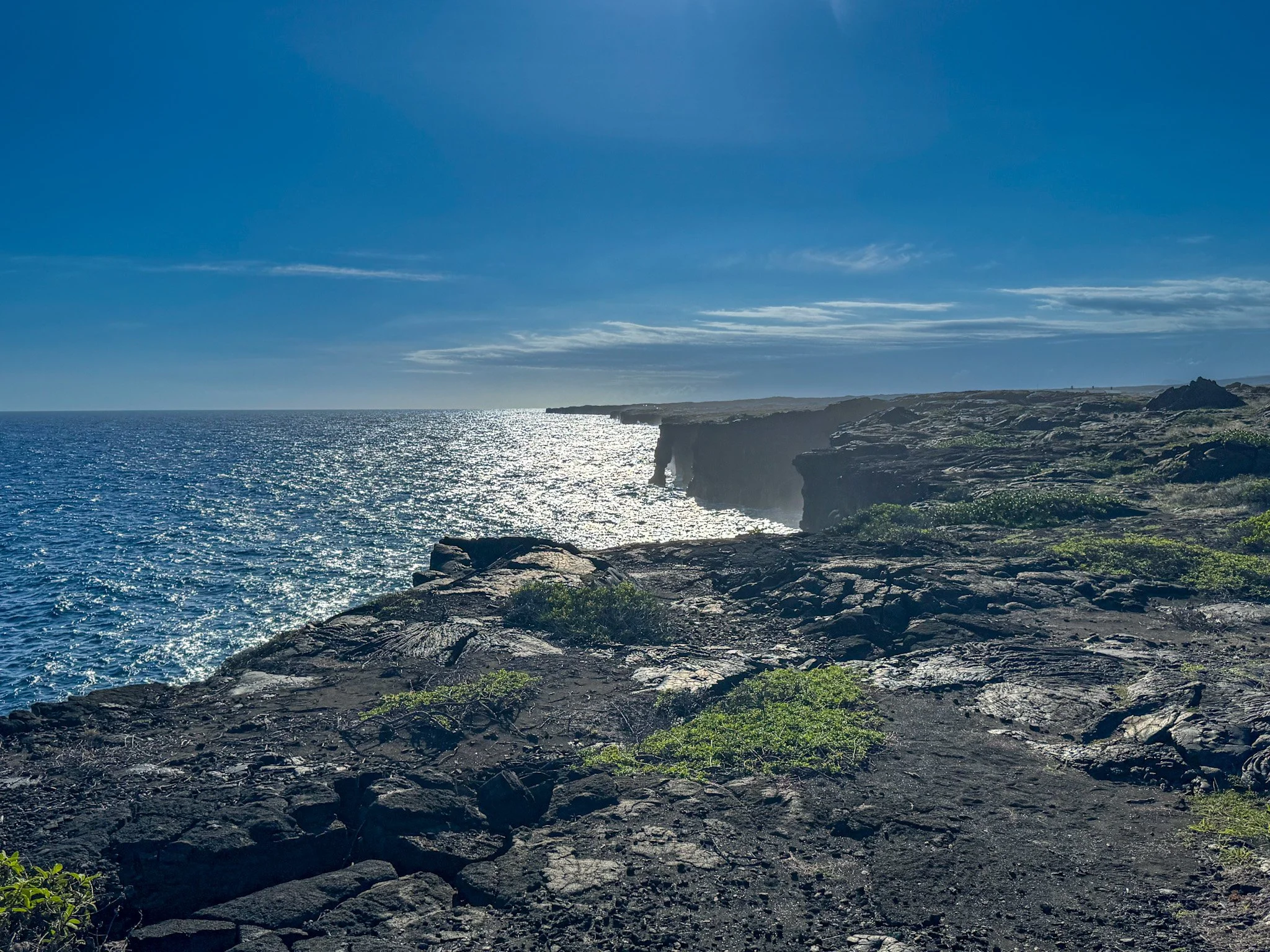
Chain of Craters Road — This scenic drive through old lava fields is one of the most dramatic stretches of road I've ever ridden (hello passenger princess). The elevation drops dramatically as you descend toward the coastline, and the landscape shifts from lush to stark and otherworldly. At the end of the road, you'll find the Holei Sea Arch — a stunning natural arch carved by the ocean into the lava rock shoreline.
Hiking — Hawaiʻi Volcanoes National Park has several great trails for all fitness levels:
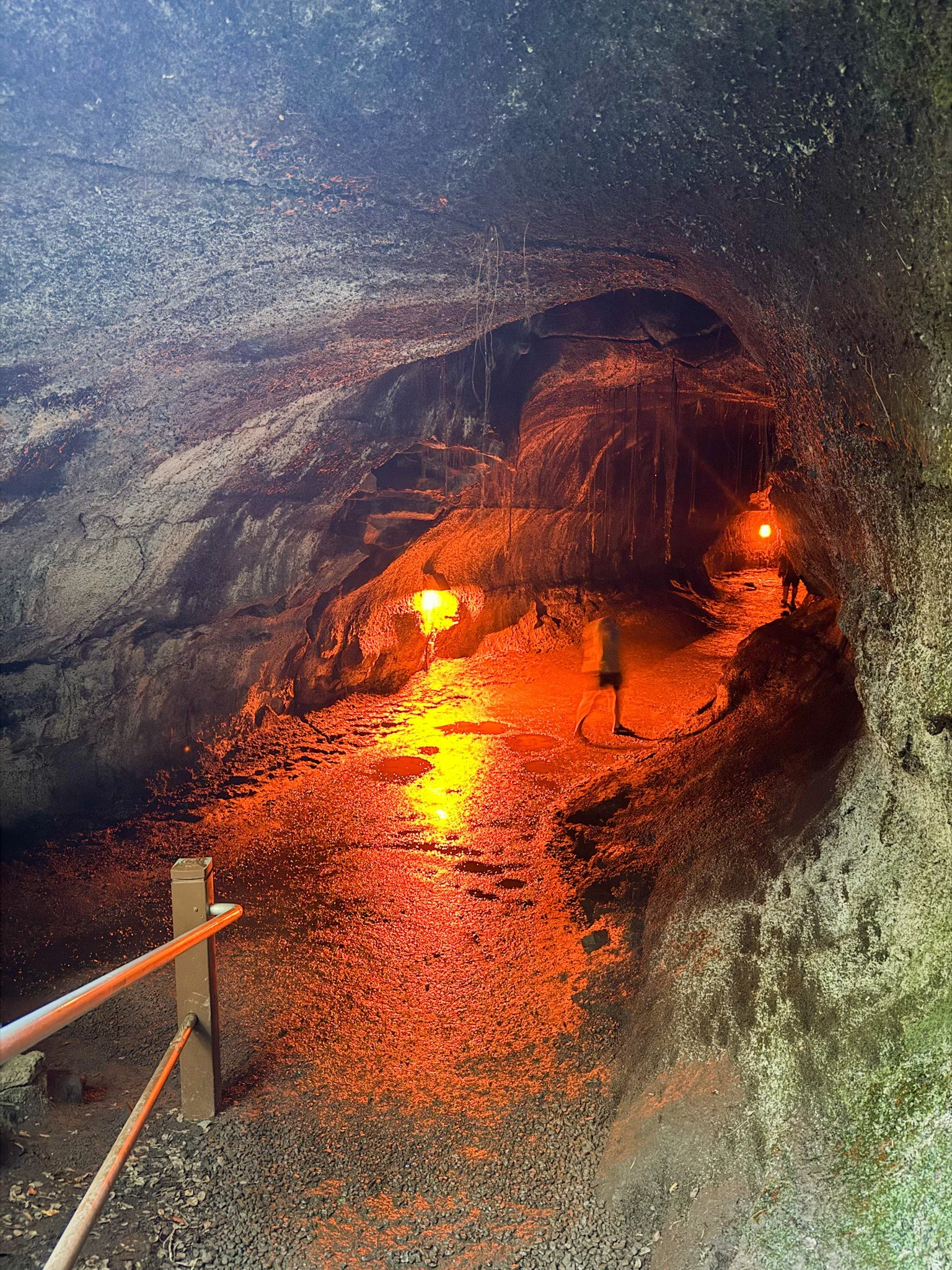
Nāhuku Lava Tube (formerly Thurston Lava Tube) — This 0.4-mile paved loop takes you down into a lava tube created over 500 years ago. It's genuinely cool — both in temperature and in the "I can't believe I'm walking inside a volcano" sense. A must-do for all ages.
Crater Rim Trail — This hike traverses the edge of the Kīlauea summit caldera from Uēkahuna to just past Keanakākoʻi Crater. There are several access points so you can make it as short or as long as you like. The caldera views are unlike anything else on the island.
Volcanic activity at Kīlauea is intermittent. If you're lucky, you may have the opportunity to see an eruption or lava flow during your visit — we were watching the live cams obsessively and she erupted the day we flew home, which felt deeply personal 🙃. Keep in mind that eruptions can be extremely dangerous — always follow guidance from the National Park Service for safely viewing. Check their website for current hours, entrance fees, and volcanic activity updates before you go.
3. Chase Waterfalls
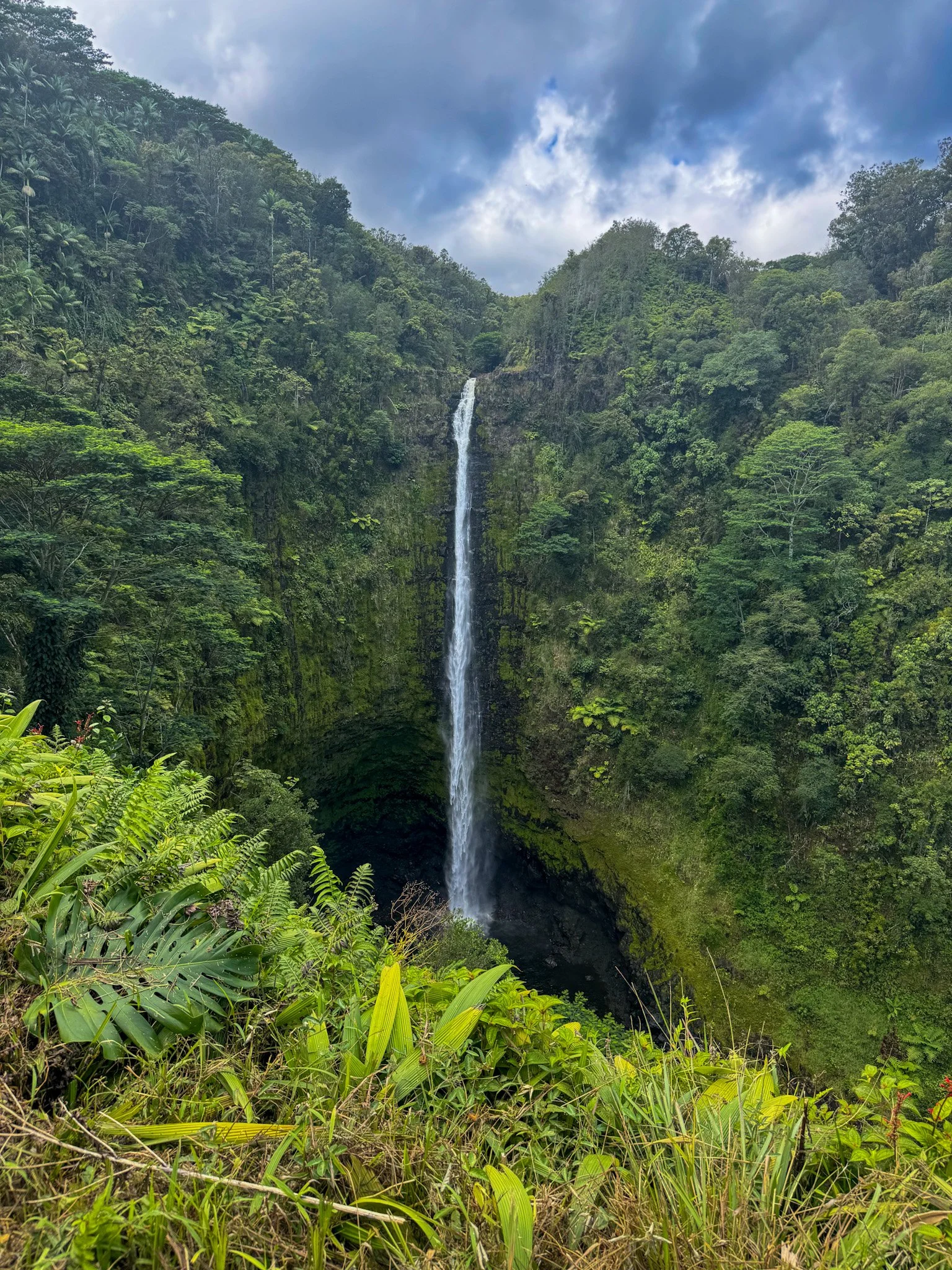
‘Akaka Falls
Approximately 20 minutes north of Hilo is ʻAkaka Falls State Park, home to one of the most dramatic waterfalls on the island. The 442-foot falls plunge into a lush gorge surrounded by wild ginger, bamboo, and tropical foliage — it looks like it belongs in a National Geographic documentary. The 0.4-mile paved loop trail is well-maintained and manageable for most fitness levels, though it can be slippery when wet — wear shoes with grip. Plan to spend about 30–45 minutes here. Parking is $10 and there is a $5 per person entry fee.
Stop at Hamakua Toffee Company in Honokaa on your way — it’s right along the route. The toffee is so good we left with multiple bags under the guise that we’d share with friends and family at home… it barely made it back to the east coast.
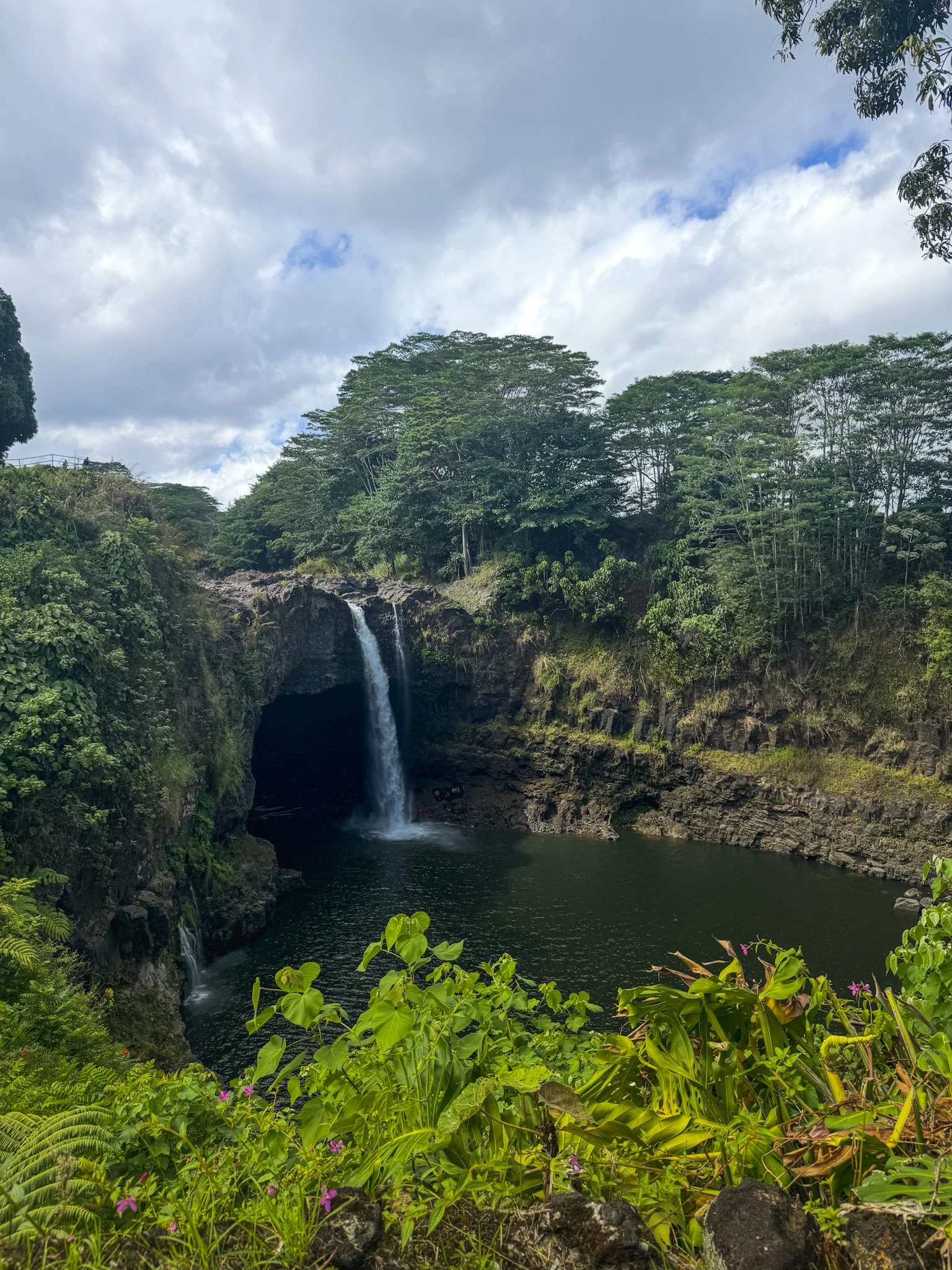
Rainbow Falls
Located just minutes outside of downtown Hilo, Rainbow Falls is named for the rainbow effect its mist creates at the base — best seen on sunny mornings when the light hits just right, so time your visit accordingly if you can. At 80 feet tall, it's smaller than ʻAkaka but no less impressive, and the massive banyan tree at the viewing area is worth a look in its own right. It's free to visit, ADA accessible, and the viewing area is steps from the parking lot — making it one of the easiest and most rewarding stops on the island.
4. Tour a Coffee Farm
The first Kona coffee tree was planted in the early 1800s. Kona’s rich volcanic soil and perfect climate conditions make for world class coffee. Today, there are over 600 coffee farms on the Big Island. Tours are available for free at some farms, while others may run from $20- $50 depending on what is included.
We opted to visit Greenwell Farms, one of the longest running farms, having been established in 1850. They offer a low-key, complimentary tour that doesn’t require reservations as well as free samples of their various coffee varieties. It was pouring rain during our visit so the tour was cancelled, womp womp. Even without the tour, the complimentary samples and staff made the stop worthwhile.
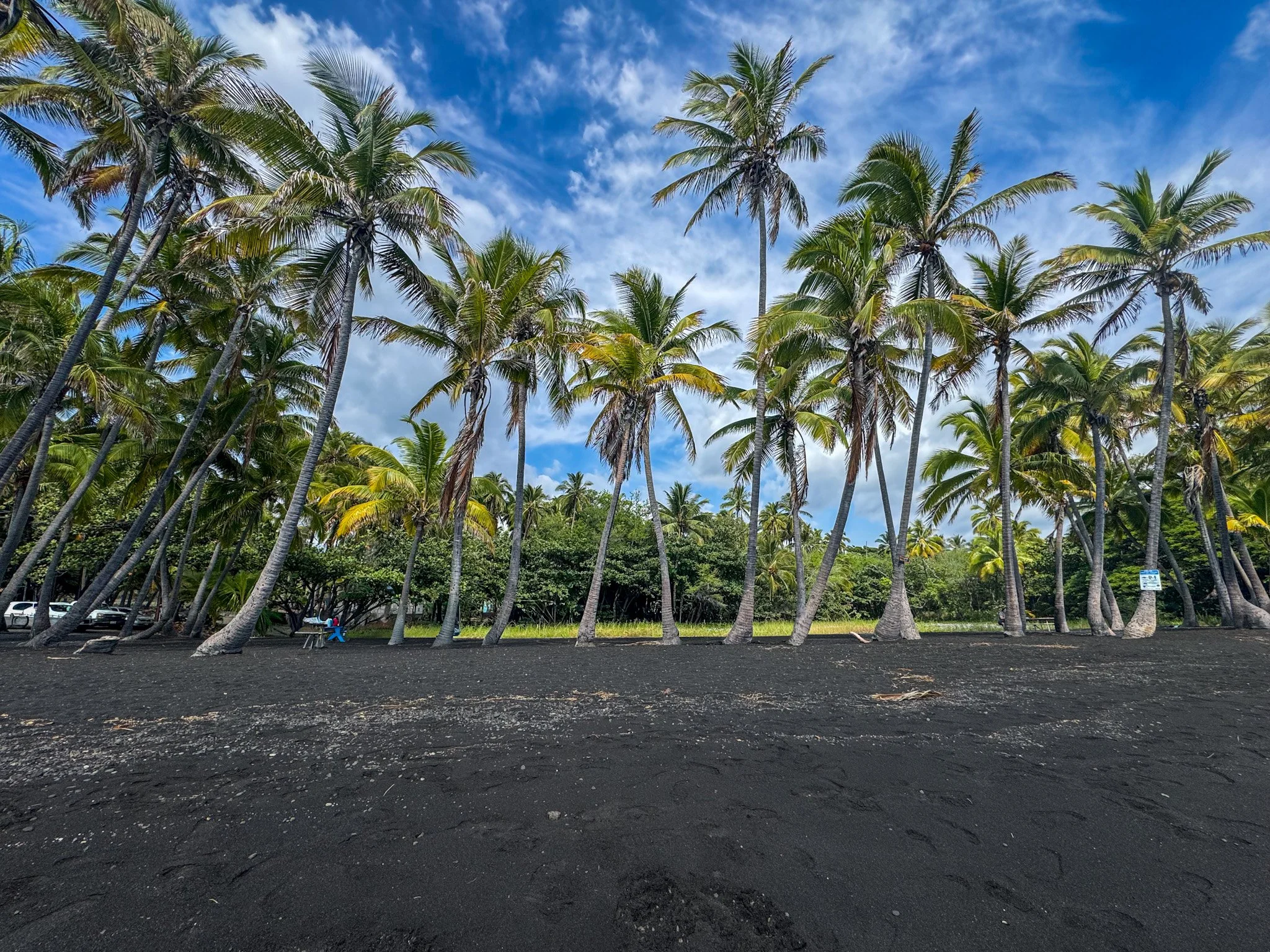
5. Visit A Black Sand Beach
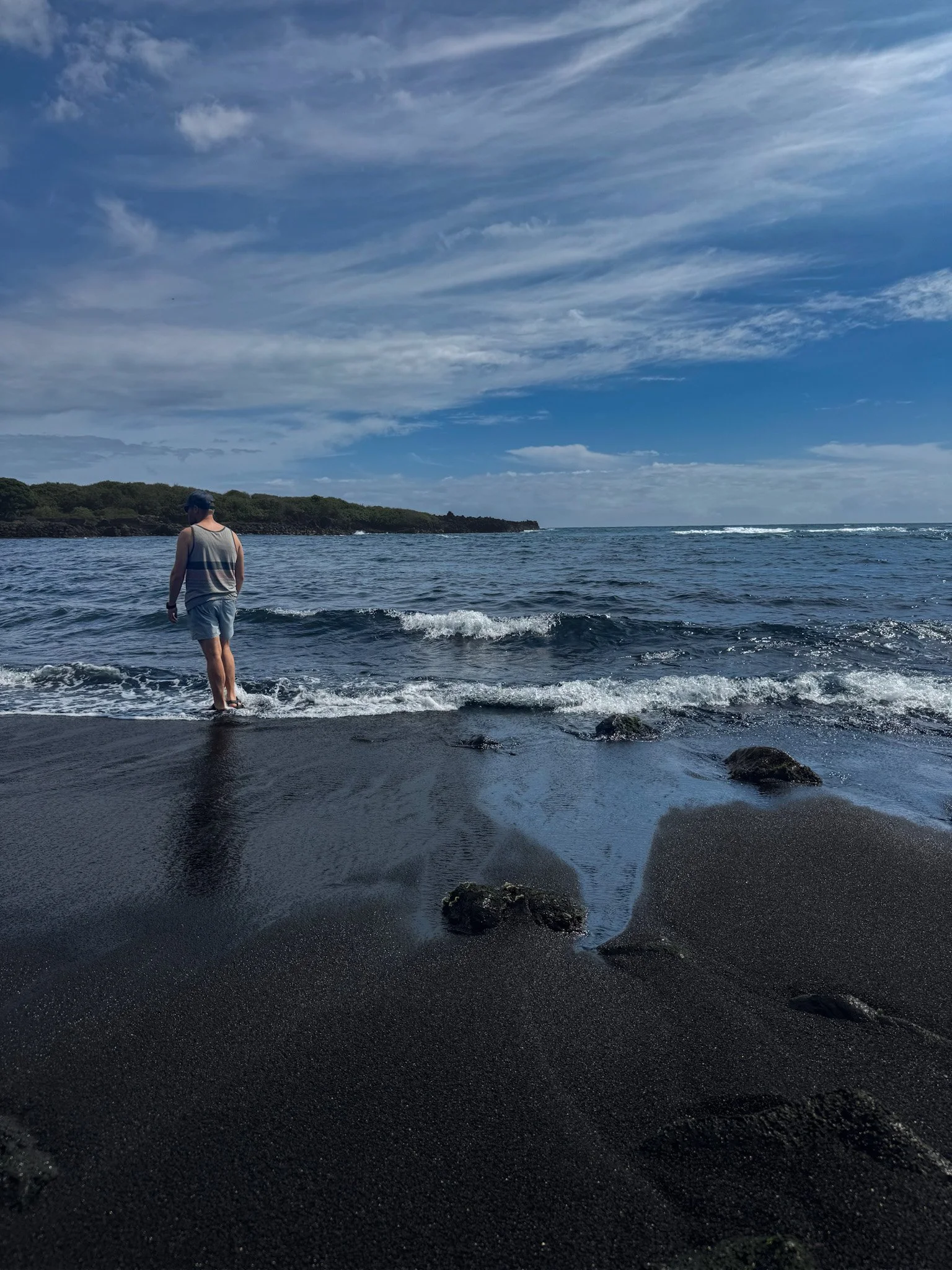
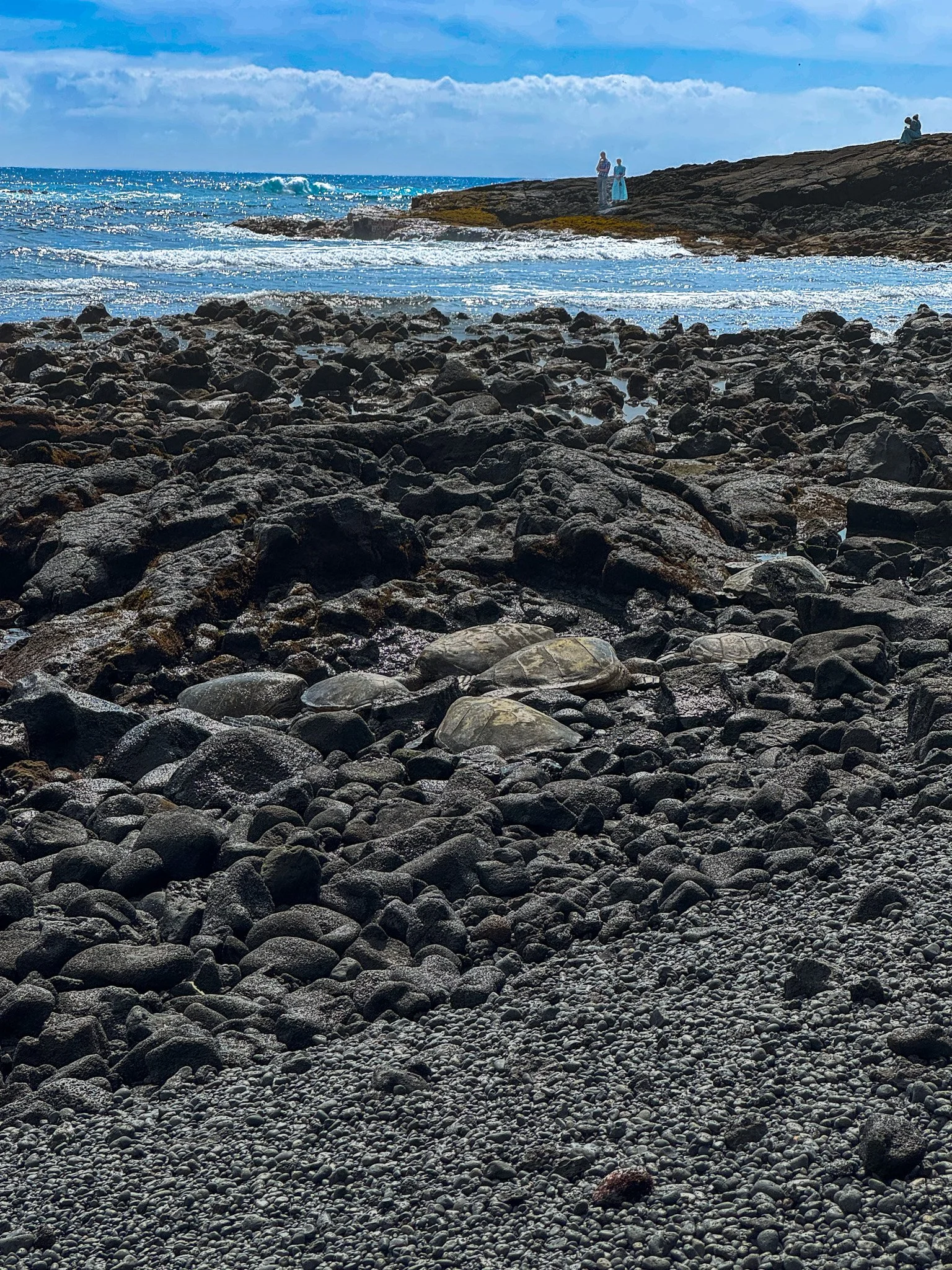
Located on the Southeastern side of the island is Punaluʻu Black Sand Beach - one of the most famous black sand beaches in Hawaii. While it is not always the most ideal place for swimming, due to its strong currents, it is a dream for sight seers. Its rugged, basaltic coastline is stunning and you are likely to see Hawaiian green sea turtles (honu) sunning along its shoreline. I counted more than ten!
6. Luau
Lū’aus are a piece of Hawaiian culture that is rooted in the celebration of community. Traditionally, they were often held to honor the gods, celebrate a milestone, or a victory in battle. Today, they feature traditional hula and ceremonial performances as well as traditional foods like Kalua Pig and poi. While I haven't attended a luau on the Big Island, I did on Maui and would say it's something worth experiencing at least once.
On the Big Island, Fairmont Orchid’s Hawai‘iloa Lū‘au is well regarded — I’d recommend booking in advance.
7. Whale Watch (in season)
Each year, in the winter months (December-March) humpback whales make their way to the waters surrounding the Big Island. You can see them from shore, or get up close with a whale watching tour. Seeing these majestic creatures breeching and tail slapping is such an incredible sight.
8. Stargaze
Mauna Kea is the tallest mountain on earth, measuring 33,500 ft from the sea floor, though its peak only stands at about 13,803 ft above sea level. Its height, in addition to limited population in the surrounding areas, makes for dark skies and a perfect place for stargazing. You'll need a 4x4 and an agreeable rental car policy to drive all the way to the top, but honestly the visitor center which sits at lower elevation still provides for amazing views. There are tours available with expert astronomers, including warm coats, seating and hot cocoa (it is known to snow here!) to keep you warm as you take in the night skies. I know I, for one, underestimated how cold it could get on a Hawaiian island so keep this in mind when you're packing if you add it to your itinerary!
This excursion by Epic Tours is well-rated — book early as it often sells out in advance.
9. Hilo
Downtown Hilo on the east side of the Big Island offers a completely different energy from the resort areas on the west side. It's unhurried, unpretentious, and refreshingly local — the kind of place where you feel like a visitor in the best sense rather than a tourist being catered to.
The Hilo Farmers Market is the anchor of any east-side day. Open daily but at its fullest on Wednesdays and Saturdays, the market overflows with tropical fruit, local flowers, handmade crafts, and prepared foods. It's a great place to pick up a snack or find a souvenir that wasn't made in China.
Worth adding to your Hilo stop if time allows: the Pacific Tsunami Museum is small but remarkably well done — it tells the story of the tsunamis that devastated Hilo in 1946 and 1960 and gives meaningful context to the geography and history of the island. Admission is around $10 and it won't take more than an hour.
On the food front, I'll be honest — our lunch in Hilo wasn't great despite a local recommendation. So, rather than steer you wrong, I'm skipping a recommendation.
Both Rainbow Falls and ʻAkaka Falls are just a short drive from downtown — see the waterfall section above for details on each. Pairing all three stops makes for a natural, unhurried east-side day that's well worth the drive from Kona.
10. Historic and cultural sites
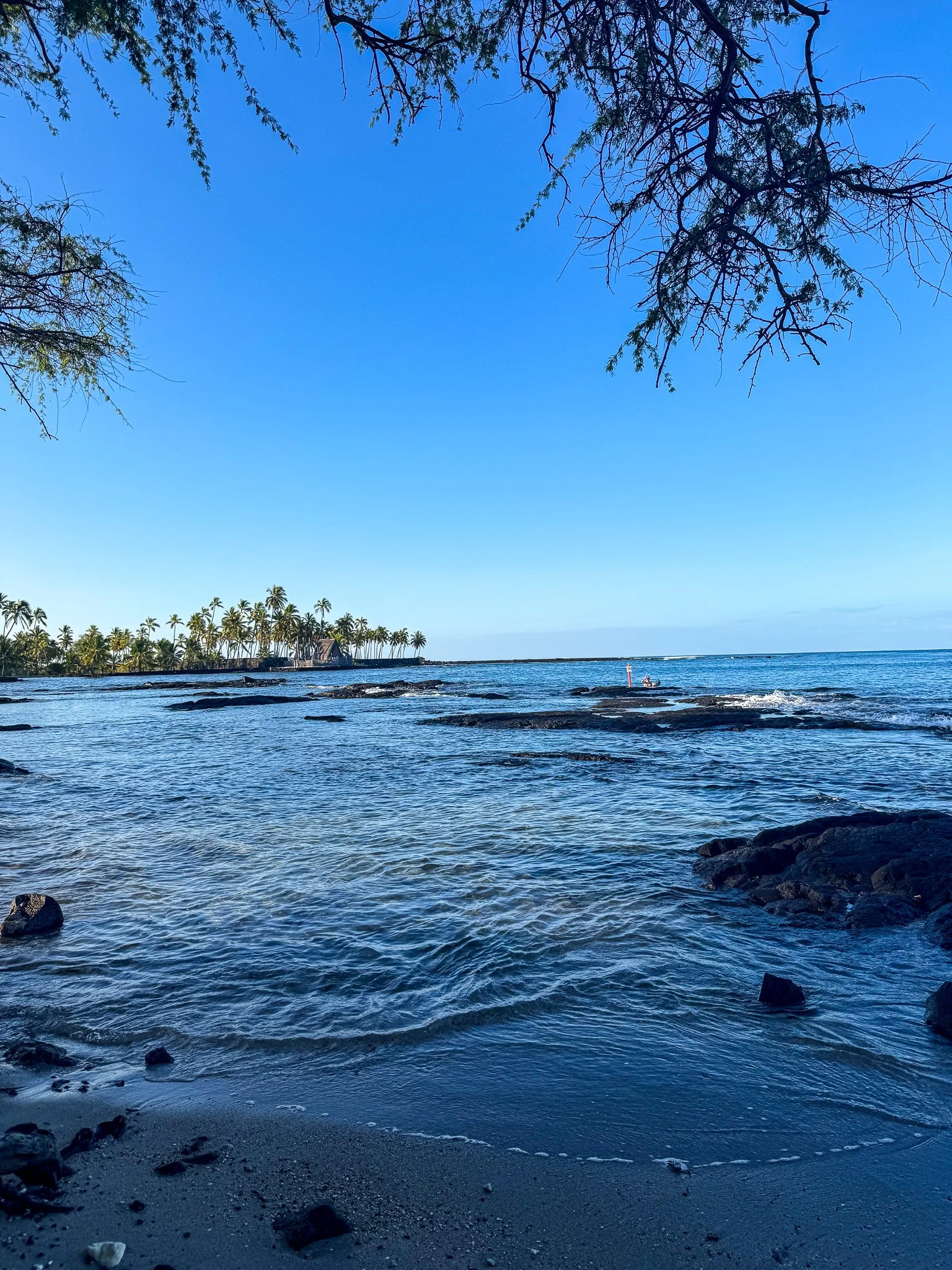
Pu'uhonua O Honaunau National Historical Park on the shore of Honaunau Bay
There are several sites across the Big Island with deep cultural significance, and they are some of the most meaningful stops you can make on the island. A couple worth prioritizing:
Puʻuhonua O Hōnaunau National Historical Park — also known as the "place of refuge," this 180-acre site protected defeated warriors, civilians, and lawbreakers from death in ancient Hawaiian society. If someone managed to reach the puʻuhonua, they were absolved and could return to normal life. Today the park features restored heiau (temples), carved kiʻi (wooden figures), fishponds, and royal grounds. Rangers and interpretive signage do an excellent job of bringing the history to life. Admission is $20 per vehicle. You can easily pair this stop with snorkeling at Two Step, a beloved shore dive site located right on the surrounding bay — one of the best on the island.
Mauna Lani Petroglyph Park — a short trail within the Mauna Lani resort area leads to a vast lava field covered in thousands of ancient petroglyphs. There is a circular boardwalk path around the main site to keep visitors from inadvertently damaging this irreplaceable area. As we wandered the edges trying to decipher what each image depicted, I kept thinking about the ancient Hawaiians who carved these drawings — long before colonization, long before the resorts that now surround them. It's a very grounding experience and, somehow, entirely free.
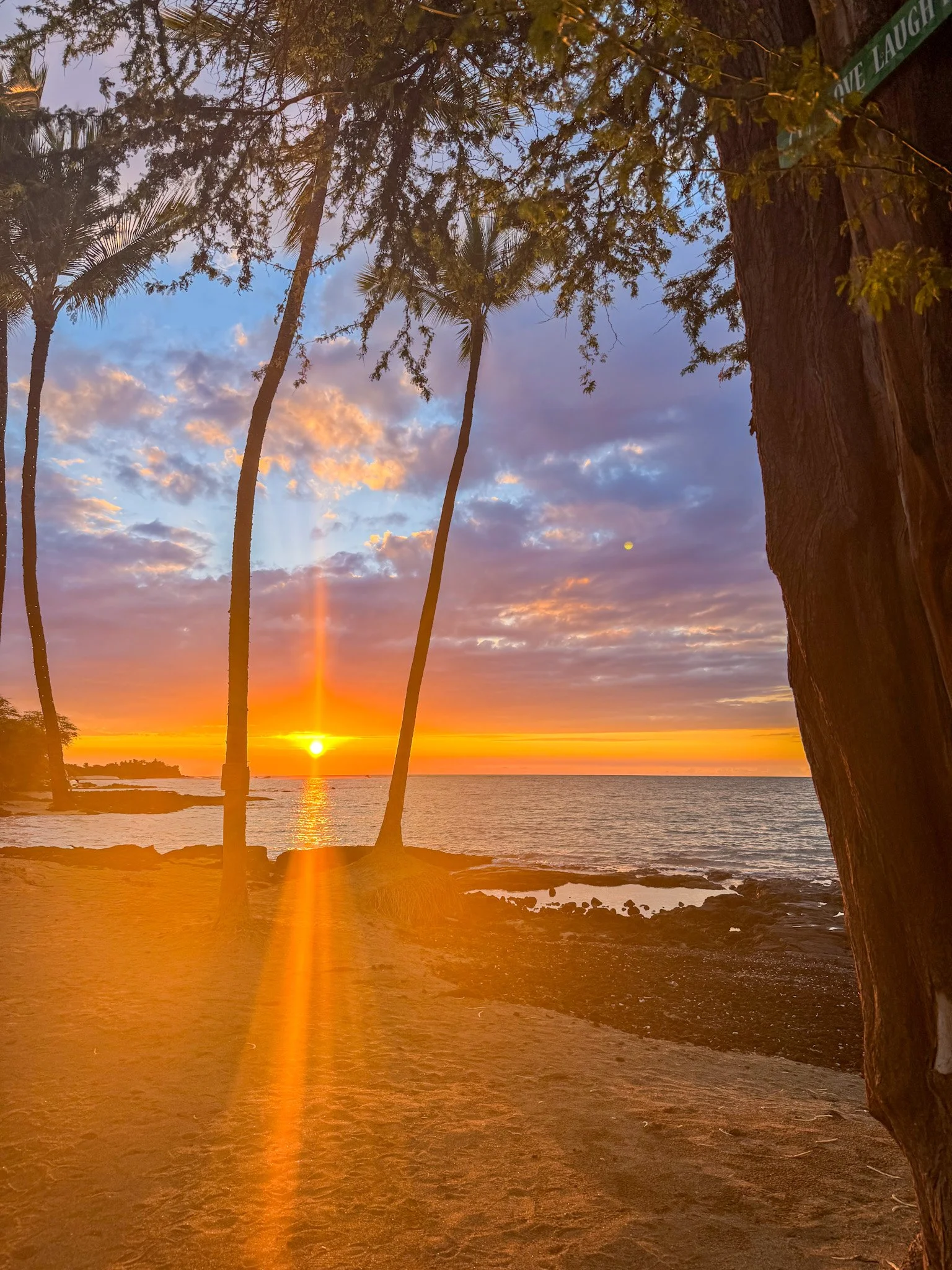
Sunset at Lava Lava Beach Club
FAQs
Can I get snorkel gear at the beach?
For those looking to DIY snorkel, it's best to bring your own gear. If you plan to do a tour, most companies will include snorkel gear with the cost of admission.
Which side of the Big Island is best to stay on?
Check out my Kona vs. Hilo guide for a deep dive on each side of the island to help inform your decision.
Where should I stay on the Big Island?
Most resorts are located on the West Coast and fall in to the luxury category. I break down the options by area in my Where to Stay on the Big Island post.
Do I need a rental car on the Big Island?
I would highly recommend a rental car on the Big Island. The Big Island is very spread out and we found rideshare options like Uber & Lyft to be unreliable. Some tours may provide transportation from your accommodations, but this will limit your flexibility for exploring beyond the resort.
How many days do I need on the Big Island?
I recommend a minimum of seven days, and even then you'll likely leave with a list of things you didn't get to — which is not a bad problem to have. The island is large enough that getting from one side to the other takes 1.5 to 2 hours, so a week gives you enough time to explore both the Kona coast and the east side without feeling rushed. Five days is workable if you're focused, but you'll need to prioritize. Ten days is ideal if your schedule allows.
What time of year is best to visit the Big Island?
There's no bad time to visit — the Big Island's west side stays sunny and dry year-round. That said, here's how the seasons break down: winter (December–March) brings whale watching season and slightly cooler, less humid temperatures. Spring is a shoulder season with fewer crowds and lower prices. Summer is peak season with the calmest ocean conditions — ideal for snorkeling. Fall is another shoulder season and a great time to visit; we went in November and had near-perfect weather on the Kona coast. If stargazing at Mauna Kea is a priority, note that it can snow at the summit in winter — dress accordingly.
Planning your Big Island trip? Here's everything you need:
Your Complete Guide to Snorkeling on the Big Island — the best spots, what to expect, and how to snorkel with manta rays at night
Where to Stay on the Big Island - A breakdown of the best luxury resorts and hotels by area
Fairmont Orchid Review — a full breakdown of where we stayed on the Kohala Coast, including what's worth it and what to skip
Kona vs. Hilo — How to choose the best side of the Big Island for your next trip
Manta Night Snorkel — Is this tour worth the hype?
Reef-Safe Sunscreen — My favorite Hawaii compliant sunscreens
Want more tips, personalized recommendations and access to perks such as complimentary upgrades and spa credits?
I would love to help you book your Big Island getaway!
This post contains affiliate links. If you make a purchase using one of these links, I may receive compensation at no extra cost to you.
Hi, I’m Jess
I’m here to help you plan epic adventures. If you’re looking for authentic travel guides that mix luxe lodging and incredible dining with out of this world hikes and adventures, you’re in the right place.


Your complete guide to the best time to visit the Isle of Skye